Sustainable Heating Solution: Harness the Potential of a Wood Briquette Machine
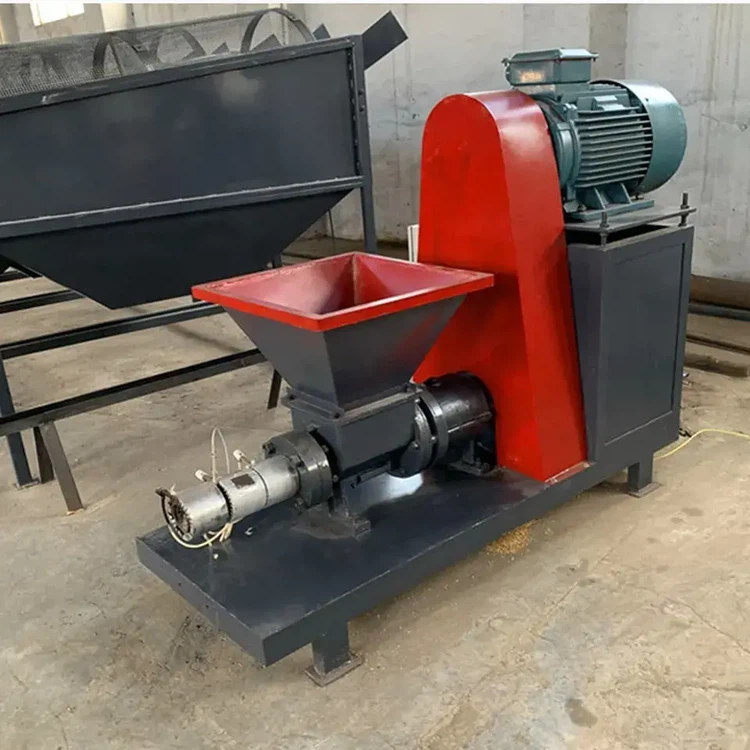
In the pursuit of sustainable and environmentally friendly heating solutions, the wood briquette machine has emerged as a game-changer. This innovative machine allows for the transformation of wood waste into valuable briquettes that can be used as a renewable fuel source. In this article, we will explore the concept of sustainable heating, the benefits of using a wood briquette machine, and how it can help harness the potential of this abundant resource.
Sustainable heating refers to the use of energy sources that have minimal impact on the environment and are derived from renewable or recycled materials. Traditional heating methods, such as fossil fuels or electricity, often come with a heavy carbon footprint and contribute to climate change. In contrast, utilizing biomass fuels, such as wood briquettes, offers a sustainable alternative that promotes resource efficiency and reduces greenhouse gas emissions.
The wood briquette machine plays a vital role in the production of biomass fuel. It takes wood waste, such as sawdust, wood chips, or agricultural residues, and compresses them into compact briquettes. These briquettes have several advantages over traditional firewood or fossil fuels. Firstly, they have a higher energy density, meaning they produce more heat when burned. This increased energy density results in improved combustion efficiency and higher heat output.
By harnessing the potential of a wood briquette machine, we can effectively utilize a resource that is often considered waste. Wood waste is generated by various industries, including woodworking, furniture manufacturing, and construction. Without proper management, this waste material is often discarded, contributing to environmental pollution and wasted potential. However, with a wood briquette machine, this waste can be transformed into valuable biomass fuel, reducing the reliance on virgin wood and promoting a circular economy approach.
Utilizing wood briquettes as a heating solution has significant environmental benefits. Wood is a renewable resource that can be sustainably harvested and replanted, ensuring a continuous supply. Additionally, burning wood briquettes releases the same amount of carbon dioxide (CO2) that the trees absorbed during their growth, making them a carbon-neutral fuel source. This carbon neutrality helps mitigate the impact of greenhouse gas emissions and contributes to efforts to combat climate change.
Furthermore, the use of wood briquettes helps reduce dependence on non-renewable energy sources. Fossil fuels, such as coal or oil, are finite resources that contribute to environmental degradation and geopolitical conflicts. By transitioning to biomass fuels like wood briquettes, we can reduce our reliance on these non-renewable resources and move towards a more sustainable energy future.
Another benefit of using a wood briquette machine for sustainable heating is the potential for cost savings. Wood briquettes are often more affordable compared to traditional heating fuels. With rising energy costs, utilizing biomass fuel can provide a cost-effective solution for both residential and commercial heating needs. Additionally, wood briquettes are denser and burn more efficiently than raw wood, resulting in less fuel consumption and greater fuel efficiency.
The versatility of wood briquettes extends beyond heating applications. They can also be used for cooking, generating electricity, or as a feedstock for industrial processes. The uniform size and shape of briquettes make them easy to handle and transport, providing convenience and efficiency in various settings.
Moreover, the production of wood briquettes contributes to waste reduction. By utilizing wood waste that would otherwise end up in landfills or be burned in an uncontrolled manner, the briquette machine helps divert these materials from disposal. This waste reduction not only reduces pollution but also conserves valuable landfill space.
To ensure the sustainability of wood briquettes as a heating solution, it is essential to practice responsible forest management and ensure the use of certified sustainable wood sources. This includes utilizing waste wood from sustainable forestry operations, promoting reforestation, and supporting responsible wood harvesting practices.
In conclusion, a wood briquette machine offers a sustainable heating solution that harnesses the potential of wood waste. By converting this waste into valuable briquettes, we can promote resource efficiency, reduce greenhouse gas emissions, and decrease reliance on non-renewable energy sources. The use of wood briquettes as a heating fuel provides economic benefits, environmental advantages, and contributes to the transition towards a more sustainable future. Embracing this technology and incorporating it into our heating systems can help us achieve our sustainability goals and create a greener and cleaner world for future generations.