
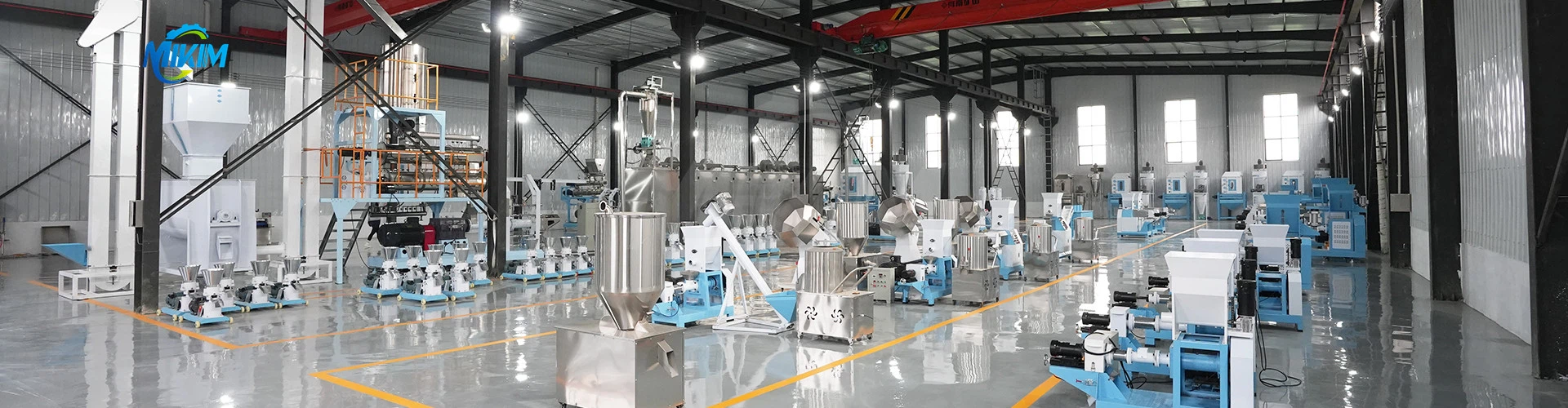
Sustainable Fuel Solution: Sawdust Pellet Machine for Cleaner Energy
Introduction:
In the quest for cleaner and more sustainable energy sources, sawdust pellet machines have emerged as an innovative solution. These machines are designed to convert sawdust, a common woodworking waste product, into high-quality wood pellets that can be used as a renewable fuel source. By utilizing sawdust pellets, we can reduce our dependence on fossil fuels, lower carbon emissions, and promote a greener and more sustainable future. In this article, we will explore the benefits of sawdust pellet machines as a sustainable fuel solution and discuss their role in achieving cleaner energy.
Benefits of Sawdust Pellet Machines:
Utilization of Waste: Woodworking processes generate a significant amount of sawdust, which is often considered waste and disposed of. However, with sawdust pellet machines, this waste can be transformed into a valuable resource. By converting sawdust into wood pellets, we maximize the utilization of available materials, reducing waste and promoting a circular economy.
Renewable Energy Source: Sawdust pellets serve as a renewable energy source, as they are derived from biomass materials. Unlike fossil fuels, which deplete finite resources, biomass-based fuels such as wood pellets are sustainable and can be continuously produced. By using sawdust pellets as fuel, we can reduce our carbon footprint and contribute to the transition towards a more sustainable energy mix.
Low Carbon Emissions: When compared to traditional fossil fuels, the combustion of sawdust pellets produces significantly lower carbon emissions. Wood pellets have a relatively high energy density, allowing for efficient and clean combustion. Furthermore, the carbon dioxide released during their combustion is equivalent to the amount absorbed by the trees during their growth, resulting in a carbon-neutral energy cycle.
Improved Air Quality: Burning fossil fuels for heating and energy production releases harmful pollutants into the air, contributing to air pollution and respiratory issues. In contrast, sawdust pellets have a lower sulfur content and produce fewer particulate matter emissions. Using sawdust pellets as a fuel source helps improve air quality, reducing the negative health impacts associated with traditional fuels.
Energy Efficiency: Sawdust pellet machines offer high energy efficiency by converting raw materials into a concentrated and standardized fuel source. The pellets have a high energy-to-volume ratio, making them easy to store and transport. Their uniform size and shape enable consistent and efficient combustion, ensuring optimal energy utilization.
Versatility of Use: Sawdust pellets can be used in various applications, including residential and industrial heating, power generation, and even cooking. They can be burned in specialized pellet stoves, boilers, and furnaces, providing a reliable and renewable alternative to traditional fuels. The versatility of sawdust pellets makes them a practical and sustainable choice for different energy needs.
Reduced Waste Management Costs: By using sawdust pellet machines to convert sawdust waste into pellets, industries and woodworking facilities can reduce their waste management costs. Instead of paying for disposal or incineration, sawdust can be repurposed into a valuable fuel source. This not only lowers operating expenses but also contributes to a more sustainable and efficient waste management strategy.
Challenges and Considerations:
While sawdust pellet machines offer numerous benefits as a sustainable fuel solution, there are some challenges and considerations to keep in mind:
Raw Material Availability: The availability and cost of sawdust as a raw material may vary depending on location and industry. It's essential to ensure a consistent and reliable supply of sawdust to maintain production efficiency.
Equipment and Maintenance: Sawdust pellet machines require proper maintenance to ensure optimal performance and longevity. Regular cleaning, lubrication, and inspection of the machine components are necessary to prevent breakdown
and ensure smooth operation. It is important to invest in high-quality equipment and follow the manufacturer's guidelines for maintenance and troubleshooting.
Quality Control: To produce high-quality sawdust pellets, it is crucial to maintain strict quality control measures. This includes monitoring the moisture content of the sawdust, ensuring the proper compression ratio, and conducting regular checks on the pellet density and durability. Consistent quality control procedures will ensure that the pellets meet the required standards and perform efficiently.
Market Demand and Infrastructure: Before investing in a sawdust pellet machine, it is essential to assess the market demand for wood pellets and the existing infrastructure to support their distribution. Understanding the local demand for sustainable energy and availability of pellet stoves, boilers, or other combustion systems is crucial to ensure a viable market for the produced pellets.
Environmental Considerations: While sawdust pellets offer significant environmental advantages over fossil fuels, it is essential to consider the overall impact of their production and use. Sustainable forestry practices, responsible sourcing of raw materials, and efficient pellet manufacturing processes should be prioritized to ensure the long-term sustainability of the industry.
Conclusion:
Sawdust pellet machines provide a sustainable fuel solution that maximizes resource utilization, reduces waste, and contributes to cleaner energy production. By converting sawdust waste into high-quality wood pellets, these machines offer an efficient and renewable alternative to fossil fuels. The benefits of sawdust pellets include reduced carbon emissions, improved air quality, and lower waste management costs. However, challenges such as raw material availability, equipment maintenance, and market demand need to be considered. With proper planning, investment, and adherence to quality control measures, sawdust pellet machines can play a significant role in achieving a greener and more sustainable future.