
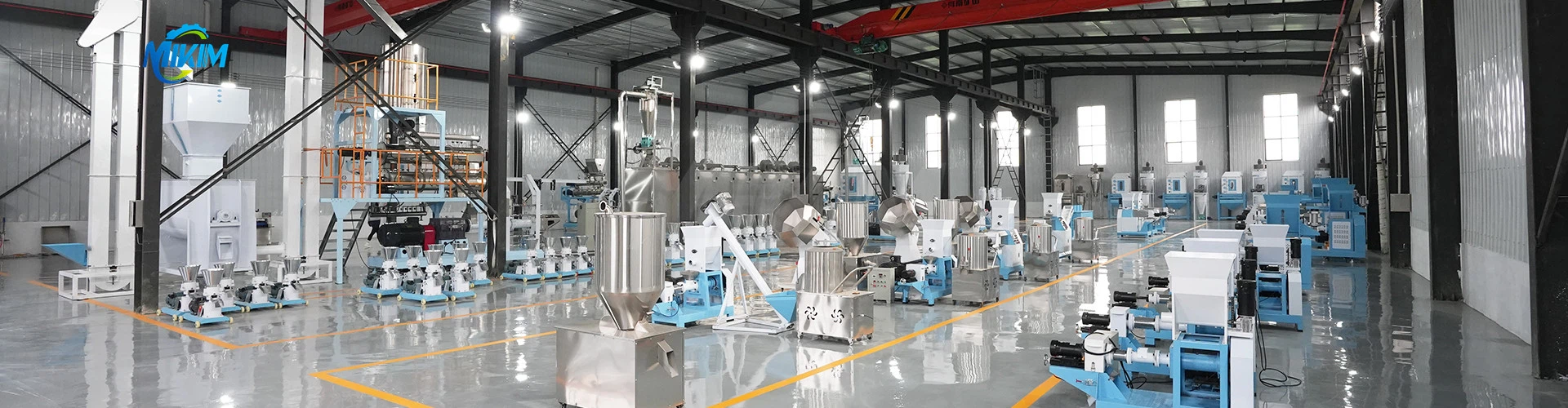
As the world continues to grapple with the devastating impacts of climate change, scientists and researchers are tirelessly working towards finding innovative solutions to combat the crisis. One such solution is the invention of a revolutionary pellet machine that has the potential to make a significant impact in the fight against climate change.
The pellet machine is designed to convert waste materials into energy through a process known as biomass pelletization. Biomass pelletization is the process of compressing organic matter such as wood, agricultural waste, and other forms of organic waste into dense pellets that can be used as a renewable energy source.
The new pellet machine has been hailed as a game-changer in the fight against climate change due to its ability to convert a wide range of waste materials into energy. By utilizing waste materials that would otherwise end up in landfills or incinerators, the pellet machine can reduce greenhouse gas emissions and help combat the growing problem of waste disposal.
The benefits of the pellet machine go beyond waste reduction and energy production. It can also help to reduce the dependence on fossil fuels, which are a major contributor to global warming. By using renewable energy sources like biomass pellets, countries can significantly reduce their carbon footprint and work towards achieving their climate change goals.
The pellet machine has already been put to use in various countries, with impressive results. In the United States, for example, some states have implemented policies that encourage the use of biomass pellets as a renewable energy source. This has led to the creation of jobs in the renewable energy sector, while also helping to reduce carbon emissions.
However, while the pellet machine is an innovative solution, it is not without its challenges. For example, there are concerns about the impact of biomass pellet production on biodiversity and land use. There are also concerns about the cost-effectiveness of the technology, particularly in developing countries where access to funding may be limited.
Despite these challenges, the pellet machine represents a significant step towards a more sustainable future. By converting waste into energy, the pellet machine can help to reduce greenhouse gas emissions, combat climate change, and create a cleaner, more sustainable world for future generations. Additionally, the pellet machine has the potential to improve the livelihoods of rural communities by providing them with an alternative source of income. Farmers, for example, can sell their agricultural waste to biomass pellet producers, providing them with an additional source of revenue.
Moreover, the use of biomass pellets can also help to address energy poverty in developing countries. Many people in these countries do not have access to electricity and rely on traditional fuels like wood and charcoal for cooking and heating. These fuels are not only inefficient but also contribute to deforestation and indoor air pollution. The use of biomass pellets as a clean and sustainable energy source can help to address these issues and improve the health and well-being of communities.
The invention of the pellet machine is a testament to the power of innovation in addressing global challenges like climate change. As technology continues to advance, it is imperative that we continue to invest in and support research and development of clean energy solutions like the pellet machine.
In conclusion, the pellet machine represents a significant step forward in the fight against climate change. By converting waste into energy, it can help to reduce greenhouse gas emissions, create jobs, and improve the livelihoods of communities. While there are challenges that need to be addressed, the potential benefits of the pellet machine make it a promising solution in our efforts to create a more sustainable world.