
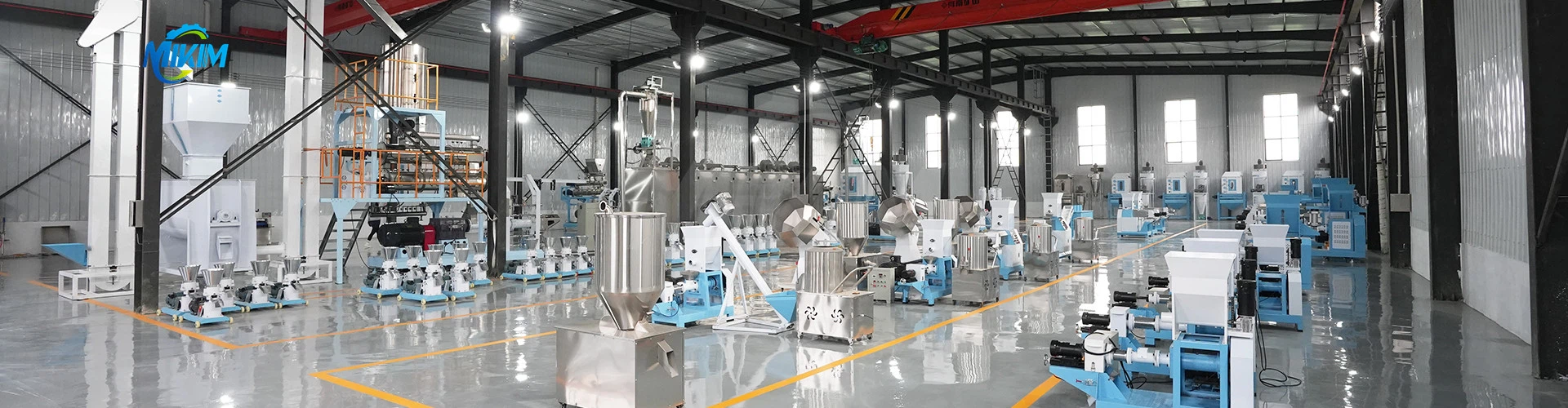
Revolutionary Floating Feed Extruder Technology Boosts Aquaculture Efficiency
Aquaculture, the farming of aquatic organisms such as fish, shellfish, and seaweed, has emerged as a crucial industry to meet the growing global demand for seafood. However, the efficiency and sustainability of aquaculture operations have long been a concern. In a major breakthrough, scientists and engineers have developed a revolutionary technology known as the floating feed extruder, which promises to significantly enhance aquaculture efficiency and contribute to a more sustainable future.
The floating feed extruder is a cutting-edge device designed to produce high-quality feed pellets for fish and other aquatic species. Traditionally, fish feed was manufactured using conventional pelletizing methods that involved using land-based facilities. However, this new technology takes the manufacturing process directly to the aquaculture farms, offering several advantages over the traditional approach.
One of the primary benefits of the floating feed extruder is its ability to produce feed on-site, eliminating the need for transporting feed from distant manufacturing facilities. This not only reduces transportation costs but also minimizes the environmental impact associated with fuel consumption and greenhouse gas emissions. By decentralizing feed production, the technology enables aquaculture farms to have greater control over the quality and availability of feed, leading to improved efficiency and cost-effectiveness.
The floating feed extruder operates by extruding a mixture of ingredients through a die, resulting in uniform and compact feed pellets. The device is equipped with advanced sensors and controls to precisely monitor and adjust the extrusion process, ensuring optimal pellet quality and consistency. This enhances feed utilization by aquatic organisms, reducing wastage and improving overall feed conversion ratios.
Another key advantage of the floating feed extruder is its ability to produce customized feed formulations tailored to the specific nutritional requirements of different aquatic species. This flexibility allows aquaculture farmers to optimize feed composition based on the life stage, species, and environmental conditions, leading to improved growth, health, and performance of the farmed organisms.
Furthermore, the floating feed extruder technology enables the incorporation of sustainable and alternative ingredients in fish feed formulations. Traditionally, fish feed relied heavily on fishmeal and fish oil derived from wild-caught fish, contributing to overfishing and ecosystem depletion. However, the floating feed extruder allows for the inclusion of plant-based proteins, agricultural by-products, and microorganisms, reducing the reliance on marine resources and promoting the use of sustainable feed ingredients.
The innovation of floating feed extruder technology has far-reaching implications for the aquaculture industry. Firstly, it enhances the overall productivity and profitability of fish farms by optimizing feed utilization and reducing operational costs. The improved feed conversion ratios lead to more efficient growth, shorter production cycles, and higher yields. As a result, farmers can achieve greater economic returns while minimizing their environmental footprint.
Secondly, the floating feed extruder technology contributes to the sustainability and environmental stewardship of aquaculture operations. By utilizing alternative feed ingredients, it reduces the pressure on wild fish stocks and helps to preserve marine ecosystems. The on-site production of feed also reduces the carbon footprint associated with transportation, making the aquaculture industry more environmentally friendly.
Moreover, the floating feed extruder technology has the potential to address the challenges of food security and global nutrition. With the world's population projected to reach nearly 10 billion by 2050, the demand for nutritious and sustainable protein sources is on the rise. Aquaculture, supported by efficient feed production technologies like the floating feed extruder, can play a vital role in meeting this demand and providing a reliable source of high-quality protein.
In conclusion, the revolutionary floating feed extruder technology represents a significant advancement in the field of aquaculture. By decentralizing feed production, optimizing feed utilization, and promoting sustainability, this innovation enhances the efficiency, profitability, and environmental sustainability of fish farming operations. As the demand for seafood continues to grow, the floating feed extruder offers a promising solution to support the sustainable expansion of the aquaculture industry, ensuring the availability of nutritious seafood while minimizing its impact on the environment.