
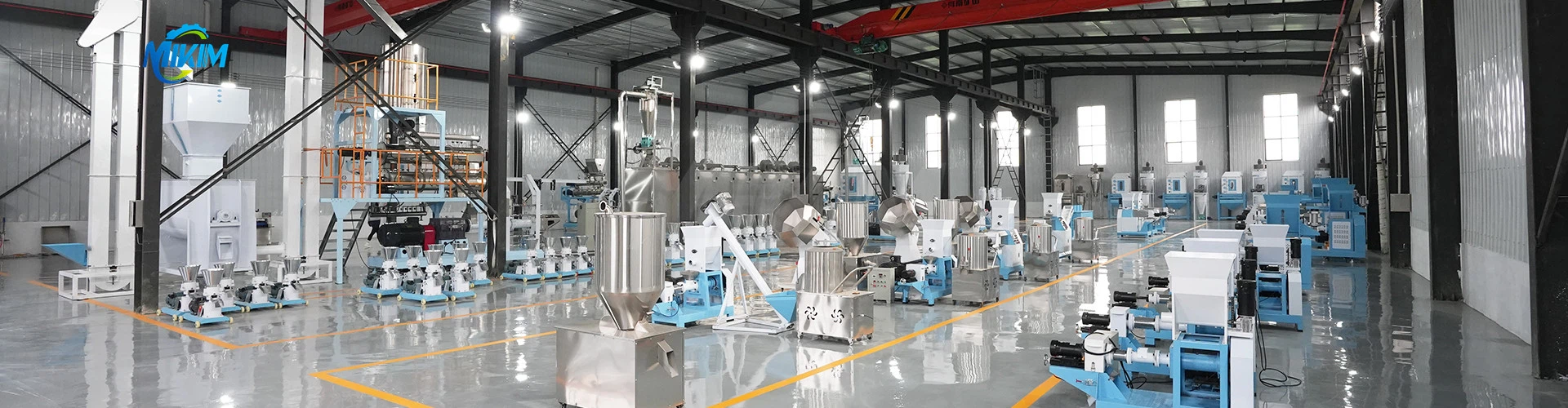
Revolutionary Animal Feed Pellet Machine Boosts Livestock Nutrition and Efficiency
In the world of animal agriculture, the quest for improved nutrition and increased efficiency is an ongoing pursuit. Farmers and ranchers are constantly searching for innovative solutions that can enhance the well-being of their livestock while optimizing their operations. One such groundbreaking solution is the revolutionary animal feed pellet machine, which has emerged as a game-changer in the industry.
Traditionally, animal feed has been prepared using a variety of methods, including grinding, mixing, and pelleting. However, these conventional techniques often fall short in terms of achieving consistent nutrition and maximizing feed utilization. This is where the animal feed pellet machine comes into play, offering a host of benefits that have transformed the way feed is prepared and consumed.
At its core, the animal feed pellet machine is a mechanical device that converts raw ingredients into compressed pellets, ensuring a uniform size, shape, and composition. The machine operates by compressing the feed material through a die, which imparts pressure and heat to form the pellets. This process not only enhances the palatability of the feed but also improves its nutritional value and digestibility.
One of the key advantages of the animal feed pellet machine is its ability to create a balanced and customized diet for different livestock species. The machine allows for precise control over the ingredients and their proportions, enabling farmers to formulate feeds that meet the specific nutritional requirements of their animals. This level of customization ensures that the livestock receive a well-rounded diet, leading to improved health, growth, and productivity.
Moreover, the pelleting process itself has several nutritional benefits. The high pressure and heat applied during pelleting help break down anti-nutritional factors present in some feed ingredients, such as enzyme inhibitors and toxins. This enhances the bioavailability of nutrients, allowing animals to derive more energy and nutrients from their feed. Additionally, pelleting can improve the digestibility of certain ingredients, such as grains and fibrous materials, by breaking down complex carbohydrates and reducing particle size.
Another remarkable feature of the animal feed pellet machine is its contribution to feed efficiency. By transforming loose feed into compact pellets, the machine minimizes wastage and ensures uniform intake by the animals. This leads to better feed conversion rates, as the animals are able to consume the entire pellet without selectively picking and choosing their preferred components. As a result, feed efficiency is significantly improved, leading to reduced costs and increased profitability for farmers and ranchers.
The animal feed pellet machine also plays a vital role in feed safety and hygiene. The high temperatures achieved during the pelleting process effectively kill or deactivate harmful microorganisms present in the feed, reducing the risk of disease transmission. Additionally, the compact nature of the pellets makes them less susceptible to contamination, ensuring a cleaner and safer feed for the livestock.
Furthermore, the use of animal feed pellets offers practical advantages in terms of storage and transportation. Pellets have a higher bulk density compared to loose feed, allowing for more efficient use of storage space. They are also easier to handle and transport, as they can be stored in bags or bulk containers without the risk of spillage or spoilage. This convenience translates into time and cost savings for farmers, streamlining their operations and logistics.
In conclusion, the revolutionary animal feed pellet machine has revolutionized the way livestock nutrition is approached. By providing a platform for precise formulation, enhanced nutrition, improved feed efficiency, and better feed safety, the machine has become an indispensable tool for farmers and ranchers. Its ability to produce high-quality pellets with consistent composition and size has raised the bar in animal feed production, ultimately benefiting both the animals and the agricultural industry as a whole.