
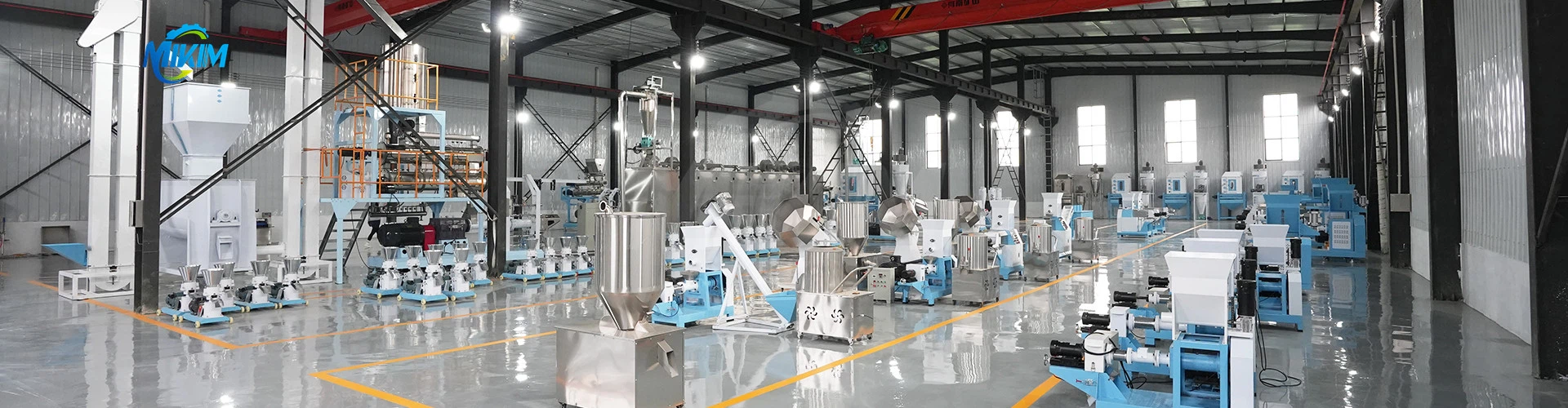
The world is facing a pressing need for sustainable energy sources that can help mitigate the effects of climate change. Fossil fuels, which have powered human development for over a century, are now proving to be unsustainable in the long run. The search for alternatives has led to the development of a new pellet machine invention that is revolutionizing sustainable energy production.
Pellet machines have been in use for several years as a way to convert biomass into pellets that can be used as a fuel source. These machines are typically used to produce wood pellets, which are a popular form of fuel used in residential and commercial heating systems. However, the new pellet machine invention takes this technology to a whole new level.
The new pellet machine is capable of processing a wider range of materials than previous models. This includes agricultural waste, such as corn stalks and rice husks, as well as forestry waste, such as tree branches and sawdust. This means that a wider range of biomass can be converted into pellets, making this technology more accessible to a wider range of industries.
The new pellet machine also boasts improved efficiency and lower emissions. It is capable of producing pellets with a higher energy content, meaning that less material is needed to produce the same amount of energy. This leads to reduced transportation costs and a smaller carbon footprint. Additionally, the new pellet machine produces lower emissions during the pelletization process, making it a more environmentally friendly option.
One of the key benefits of the new pellet machine is its potential to reduce waste. Many industries generate large amounts of waste material that is difficult to dispose of. By converting this waste into pellets, it can be turned into a valuable fuel source. This not only reduces waste but also reduces the need for other forms of energy, such as fossil fuels.
The new pellet machine is also a more cost-effective option for many industries. Traditional forms of energy, such as oil and gas, can be expensive and subject to price fluctuations. In contrast, biomass is a relatively stable commodity, making it a more predictable source of energy. Additionally, the new pellet machine is capable of producing pellets at a lower cost than previous models, making it a more attractive option for industries looking to switch to sustainable energy sources.
The potential applications of the new pellet machine are vast. It can be used in a wide range of industries, including agriculture, forestry, and manufacturing. For example, farmers can use the machine to convert agricultural waste into a valuable fuel source for their operations. Similarly, forestry companies can convert forestry waste into pellets that can be used to power their operations. Manufacturers can also use the machine to convert their waste into fuel, reducing their energy costs and environmental impact.
The new pellet machine is also a boon for the renewable energy sector. As the world continues to transition to renewable energy sources, there is an increasing demand for technologies that can convert biomass into usable energy. The new pellet machine is well-positioned to meet this demand, providing a more efficient and cost-effective option for producing biomass pellets.
Despite the many benefits of the new pellet machine, there are still challenges that need to be addressed. One of the key challenges is the availability of biomass. While there is a vast amount of biomass available, it is not always easy to access. For example, agricultural waste is often spread out across large areas, making it difficult to collect and transport. Similarly, forestry waste is often located in remote areas that are difficult to access.
Another challenge is the variability of biomass. Biomass can vary widely in terms of its composition and quality, which can affect the efficiency of the pelletization process. This means that the new pellet machine may not be suitable for all types of biomass.
Despite these challenges, the new pellet machine represents a major step forward in sustainable energy production. Its improved efficiency, lower emissions, and ability to process a wider range of biomass materials make it a valuable addition to the renewable energy sector. As technology continues to improve, it is likely that these challenges will become easier to address, making sustainable energy production even more accessible.
Another potential benefit of the new pellet machine is its ability to support rural communities. Many rural areas have limited access to traditional forms of energy, such as electricity and gas. However, these areas often have access to biomass, making it an ideal fuel source. By using the new pellet machine to produce pellets, rural communities can create a sustainable source of energy that is tailored to their needs. This can help to reduce reliance on traditional energy sources and improve the quality of life in these communities.
Overall, the new pellet machine represents a major breakthrough in sustainable energy production. Its improved efficiency, lower emissions, and ability to process a wider range of biomass materials make it a valuable addition to the renewable energy sector. While there are still challenges that need to be addressed, the potential benefits of this technology are vast. As the world continues to transition to sustainable energy sources, technologies like the new pellet machine will play an increasingly important role in meeting this challenge.