
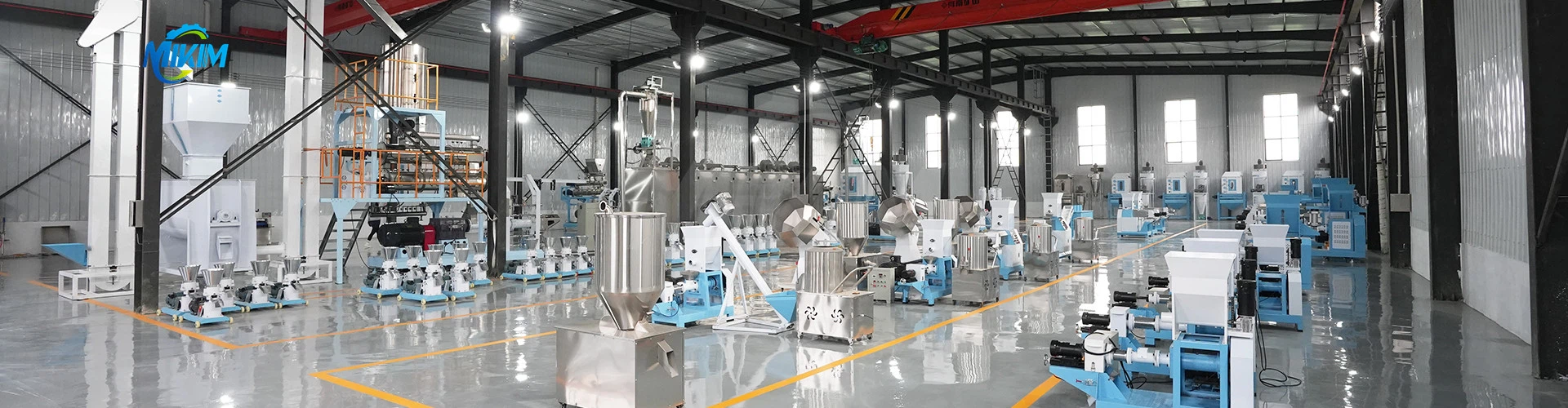
New Animal Feed Pelletizer Maximizes Farm Productivity and Cost Savings
Introduction:
In the agricultural industry, maximizing farm productivity and cost savings are crucial goals for farmers. With the advent of new technologies, such as the animal feed pelletizer, achieving these objectives has become more attainable than ever before. The introduction of advanced feed pelletizing equipment has revolutionized the way animal feed is processed and distributed, leading to improved farm productivity and significant cost savings. This article explores the key benefits and features of the new animal feed pelletizer and its impact on farm operations.
Enhanced Feed Processing Efficiency:
One of the primary advantages of the new animal feed pelletizer is its ability to significantly improve feed processing efficiency. Traditionally, farmers would spend a considerable amount of time and effort manually mixing and preparing feed for their livestock. However, with the introduction of the feed pelletizer, the process has become automated and streamlined. The machine can efficiently convert various feed ingredients, such as grains, forage, and additives, into uniform pellets with consistent quality. This automation not only saves time but also ensures precise mixing and formulation, leading to improved feed quality and nutrient distribution.
Optimized Feed Conversion:
Another key benefit of the new animal feed pelletizer is its ability to optimize feed conversion in livestock. The pelletizing process enhances the digestibility and nutrient availability of the feed, resulting in improved feed conversion ratios. By compressing the ingredients into pellets, the machine partially gelatinizes starches, making them more easily digestible for animals. Additionally, the pelletized form eliminates selective eating, reducing feed wastage and ensuring that animals consume the complete and balanced diet intended for them. As a result, livestock can efficiently convert feed into weight gain or milk production, maximizing productivity and profitability on the farm.
Consistent Nutrient Delivery:
Achieving consistent nutrient delivery is essential for maintaining animal health and performance. The new animal feed pelletizer excels in this aspect by providing uniform and consistent nutrient content in each pellet. Farmers can precisely control the formulation and composition of the pellets, ensuring that animals receive the necessary vitamins, minerals, and other essential nutrients in every feeding. This consistency eliminates nutritional imbalances and deficiencies, leading to improved animal health, growth, and overall performance. Moreover, it simplifies the feeding process for farmers, eliminating the need for manual mixing and measuring of various feed ingredients.
Reduced Feed Wastage:
Minimizing feed wastage is a critical factor in maximizing cost savings on the farm. Traditional feeding methods often result in substantial feed losses due to selective eating, spillage, and spoilage. However, the new animal feed pelletizer addresses these issues effectively. The compact and uniform size of the pellets discourages selective eating, reducing the opportunity for animals to pick and choose specific ingredients. Furthermore, the pelletized form reduces the risk of spillage and minimizes the chances of feed contamination. The durability of the pellets also improves storage and transportation, reducing the potential for spoilage. As a result, farmers can significantly reduce feed wastage and minimize expenses associated with feed loss.
Operational Efficiency:
The adoption of the new animal feed pelletizer enhances overall operational efficiency on the farm. The automated process reduces labor requirements and saves time, allowing farmers to allocate resources to other essential tasks. Once the pelletizer is set up with the desired formulation, it consistently produces pellets of the same quality, eliminating the need for manual mixing and measuring. This standardized production process minimizes human error and ensures a reliable supply of high-quality feed. Additionally, the pelletized form improves handling, storage, and transportation efficiency, optimizing logistics on the farm.
Cost Savings:
The new animal feed pelletizer offers significant cost savings for farmers. By maximizing feed conversion and reducing feed wastage, farmers can minimize the overall amount of feed required to achieve desired growth and productivity levels. This reduction in feed consumption translates into cost savings, as less feed needs to be purchased or produced on the farm. Furthermore, the automation and efficiency of the pelletizer reduce labor costs, freeing up resources for other farm operations. Additionally, the improved feed quality and nutrient delivery can contribute to better animal health, reducing the need for veterinary interventions and medication expenses.
Conclusion:
The new animal feed pelletizer has emerged as a game-changer for farmers seeking to maximize productivity and cost savings on their farms. By enhancing feed processing efficiency, optimizing feed conversion, ensuring consistent nutrient delivery, reducing feed wastage, improving operational efficiency, and offering substantial cost savings, this advanced technology has revolutionized the way animal feed is prepared and distributed. The adoption of the animal feed pelletizer empowers farmers to achieve higher productivity, better profitability, and more sustainable agricultural practices. As this technology continues to evolve, it will undoubtedly play a vital role in shaping the future of efficient and cost-effective livestock farming.
