
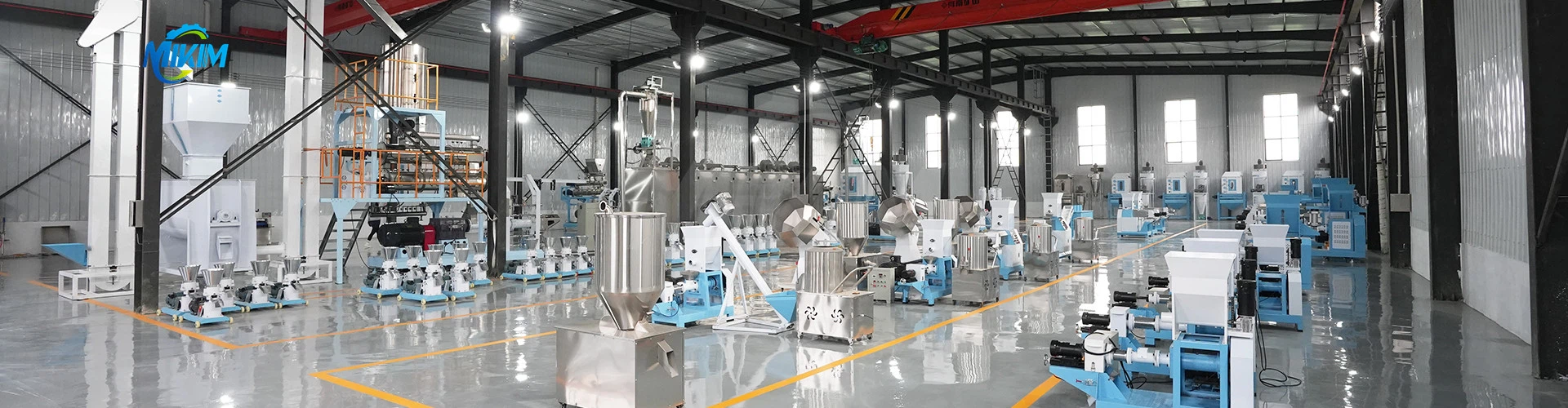
New Advanced Oil Pressers Boost Efficiency and Yield for Oil Extraction
Oil extraction has been a critical process for centuries, providing essential oils for various industries such as food, cosmetics, and pharmaceuticals. Traditionally, oil extraction methods have been time-consuming, labor-intensive, and often inefficient, resulting in low yields and compromised quality. However, recent advancements in oil presser technology have revolutionized the industry, offering significant improvements in efficiency and yield.
The introduction of new advanced oil pressers has brought about a paradigm shift in the oil extraction process. These innovative machines incorporate cutting-edge technology and engineering, allowing for faster, more efficient, and higher-yield extraction.
One key feature of these advanced oil pressers is their improved mechanical design. They utilize state-of-the-art components and precision engineering to optimize the extraction process. Enhanced pressure control systems ensure consistent and uniform force application, resulting in more thorough oil extraction from the source material. Additionally, advanced filtration systems help separate impurities and unwanted particles from the extracted oil, further improving the quality of the final product.
Moreover, these oil pressers leverage automation and digital controls to streamline operations and minimize human intervention. Programmable settings enable precise control over various parameters such as temperature, pressure, and extraction time, ensuring optimal conditions for each type of oil. This automation not only reduces the risk of human error but also enhances the repeatability and consistency of the extraction process, leading to higher overall yields.
Another significant aspect of these advanced oil pressers is their versatility. They can accommodate a wide range of oilseeds and nuts, including soybeans, sunflower seeds, sesame seeds, rapeseeds, and more. With adjustable settings and interchangeable parts, they can adapt to different seed sizes and oil extraction requirements. This flexibility allows for efficient processing of various oil-bearing crops, expanding the possibilities for producers and manufacturers.
The efficiency gains achieved by these new oil pressers have profound implications for the industry as a whole. Higher extraction efficiency translates into increased productivity, reducing production costs and improving profit margins for oil producers. Additionally, the enhanced yield means a higher quantity of oil extracted from the same amount of input material, reducing the overall resource consumption and environmental impact.
Furthermore, the improved efficiency of these oil pressers contributes to sustainability efforts in the industry. By optimizing the extraction process, less waste is generated, and fewer resources are required to produce the same amount of oil. This reduction in waste and resource consumption aligns with the principles of environmental conservation and resource efficiency.
The quality of the extracted oil is another area where these advanced oil pressers excel. The precise control over extraction parameters ensures that the oil retains its nutritional value, flavor, and aroma. Furthermore, the advanced filtration systems remove impurities and contaminants, resulting in purer, higher-quality oils. This quality enhancement is crucial for industries such as gourmet cooking, where the flavor and purity of the oil are of utmost importance.
In addition to the efficiency and yield benefits, the integration of advanced oil pressers into the extraction process offers greater convenience and ease of use. The intuitive user interfaces and automated features make these machines accessible to operators with varying levels of expertise. This accessibility broadens the market for oil pressers, enabling smaller-scale producers and even home enthusiasts to engage in oil extraction activities.
The introduction of new advanced oil pressers has undoubtedly transformed the oil extraction industry. With their improved mechanical design, automation capabilities, versatility, and focus on sustainability, these machines have revolutionized the efficiency and yield of the extraction process. Producers can now extract more oil, more efficiently, while maintaining high product quality. As this technology continues to evolve, the future of oil extraction looks promising, with increased productivity, reduced environmental impact, and enhanced profitability for all stakeholders involved.