
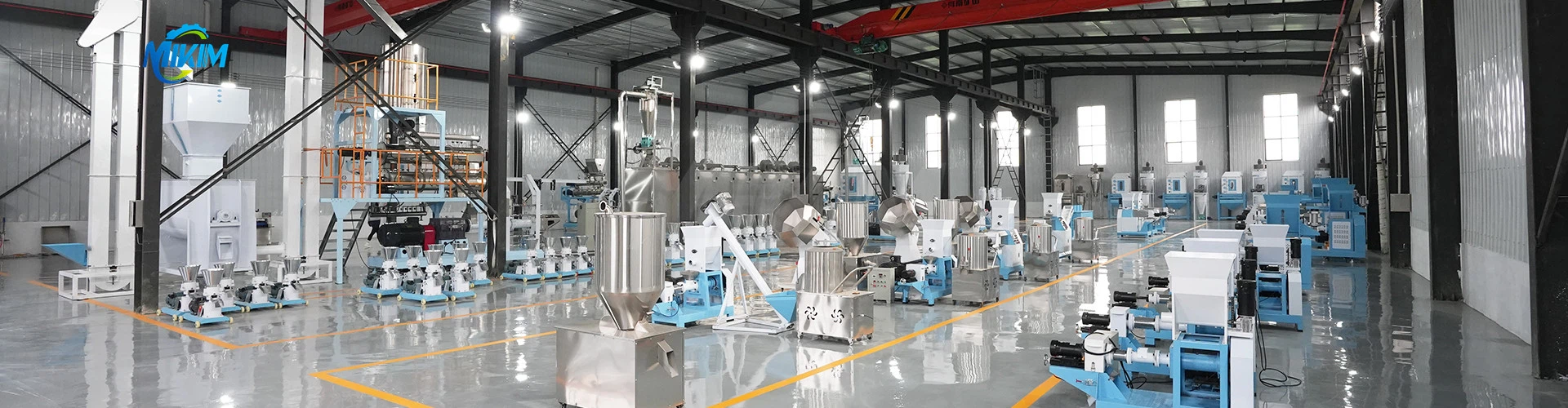
Innovative Floating Feed Extruder Enhances Nutritional Value of Aquaculture Feeds
Nutrition plays a vital role in the successful growth and development of farmed aquatic organisms. As the aquaculture industry continues to expand, there is a growing need for innovative solutions that can enhance the nutritional value of fish feeds. In this regard, the introduction of an innovative floating feed extruder is revolutionizing aquaculture by significantly improving the nutritional quality of feeds, leading to healthier and more robust fish populations.
The floating feed extruder is a cutting-edge technology that combines advanced engineering principles with precise control mechanisms to produce high-quality fish feeds. Unlike traditional feed production methods, which may involve heat treatment and other processes that can degrade nutrient content, the floating feed extruder preserves the nutritional integrity of the feed ingredients. This results in feeds with enhanced nutritional value and a more balanced nutrient profile, providing optimal nourishment for farmed fish.
One of the key advantages of the floating feed extruder is its ability to incorporate a wide range of ingredients into the feed formulation. This versatility allows fish farmers to tailor the nutritional composition of the feed to meet the specific requirements of different fish species, growth stages, and farming conditions. By carefully selecting and combining ingredients such as proteins, fats, carbohydrates, vitamins, and minerals, the extruder technology enables the creation of feeds that provide the necessary nutrients for optimal fish growth, health, and performance.
Furthermore, the floating feed extruder technology ensures uniform nutrient distribution within the feed pellets. Through precise control of the extrusion process, the extruder produces feeds with consistent particle size, density, and nutrient content. This uniformity is crucial in promoting even nutrient uptake among fish populations, minimizing the risk of nutrient deficiencies or imbalances. As a result, the fish receive a well-balanced diet that supports their growth, immune function, and overall well-being.
The extrusion process itself plays a significant role in enhancing the nutritional value of aquaculture feeds. The extruder applies heat and pressure during extrusion, which leads to gelatinization of starches and denaturation of proteins. This improves the digestibility of the feed and increases nutrient availability for the fish. Moreover, the extrusion process can help reduce anti-nutritional factors, such as certain enzyme inhibitors or toxins, present in some feed ingredients. By mitigating the impact of these factors, the extruder technology further improves the nutritional quality of the feeds.
Another noteworthy feature of the floating feed extruder is its ability to produce floating feed pellets. Floating feeds have several advantages over sinking feeds. Firstly, they remain on the water's surface, allowing for easy visual monitoring of feed consumption and ensuring efficient feeding practices. This helps reduce feed wastage and optimize feed conversion ratios, leading to improved growth rates and economic efficiency. Secondly, floating feeds are particularly beneficial for fish species that naturally feed near the water surface, ensuring that the feed is readily available to them.
The nutritional enhancements provided by the floating feed extruder technology have a direct impact on fish performance and health. Fish that receive feeds with optimal nutrient content and balanced profiles exhibit improved growth rates, increased resistance to diseases, and enhanced overall robustness. By providing the necessary nutrients in the right proportions, the extruder technology supports the development of healthy and marketable fish, which is crucial for the economic success of fish farming operations.
Moreover, the improved nutritional value of aquaculture feeds produced by the floating feed extruder has positive implications for the environment. Feeds with a well-balanced nutrient profile result in improved feed conversion ratios, reducing the amount of feed required to produce a unit of fish biomass. This, in turn, leads to a reduction in nutrient waste and potential environmental impacts associated with excessive nutrient discharge into surrounding waters. The extruder technology thus contributes to the sustainability of aquaculture by minimizing environmental footprints and promoting responsible resource management.
The adoption of innovative floating feed extruder technology is steadily growing in the aquaculture industry. Fish farmers and feed manufacturers recognize the significant advantages this technology offers in terms of enhancing the nutritional value of fish feeds. Its ability to produce feeds with a balanced nutrient profile, improved digestibility, and consistent quality leads to healthier fish populations, increased productivity, and more sustainable aquaculture practices.
In conclusion, the innovative floating feed extruder technology represents a groundbreaking development in the field of aquaculture feeds. By enhancing the nutritional value of feeds, this technology contributes to the growth and well-being of farmed fish, improving their performance and health. Furthermore, the extruder technology promotes sustainable aquaculture practices by reducing feed waste, optimizing nutrient utilization, and minimizing environmental impacts. As the industry continues to embrace this technology, the future of aquaculture looks promising, with healthier fish populations and more efficient and sustainable feed production.
