
Aspergillus disease is a fungal disease that occurs in fermented feed, which can cause the feed to change color, rot and produce toxins. The method to prevent and control aspergillosis is to strictly screen and clean the raw materials before making feed, and store them for at least 48 hours before processing and production, which can effectively reduce pollution. During the production process, disinfectants and antibacterial agents similar to those required for aseptic production, such as formaldehyde and sodium benzoate, can be added to kill most bacteria and fungi.
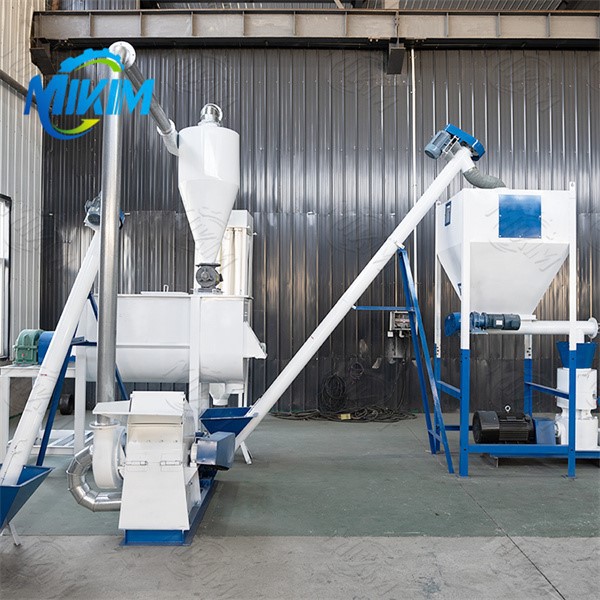
| Model | Capacity | Power | Dimension | Weight |
| 125 | 80-100kg/h | 3kw | 110*35*70 cm | 95 kg |
| 150 | 120-150kg/h | 4kw | 115*35*80cm | 100 kg |
| 210 | 200-300kg/h | 7.5kw | 115*45*95cm | 300 kg |
| 260 | 500-600kg/h | 15kw | 138*46*100cm | 350 kg |
| 300 | 700-800kg/h | 22kw | 130*53*105cm | 600 kg |
| 360 | 900-1000kg/h | 22kw | 160*67*150cm | 800 kg |
| 400 | 1200-1500kg/h | 30kw | 160*68*145cm | 1200 kg |
In addition to fungi, different types of bacteria in fermented feed can also cause microbial diseases, the most common of which is butyric acid bacteria disease. Butyric acid bacteria are acidophilic bacteria that can multiply rapidly and produce a large number of harmful metabolites, leading to fermentation failure. The method to prevent butyric acid bacteria disease is to strictly control the temperature and humidity when making feed to avoid excessive moisture or excessive dryness. At the same time, adding silage acid microorganisms can effectively inhibit the growth of butyric acid bacteria.
Mildew is a common disease in fermented feed, mainly due to high humidity, high temperature and lack of ventilation. Under conditions such as high humidity, high temperature and lack of ventilation, mold will multiply in the feed. In order to prevent mildew, clean and pollution-free materials should be selected when making feed, and the raw materials should be dried to the appropriate moisture content and fully mixed. In addition, folic acid preparations such as lactococci can be added to enhance the tolerance of feed.