
The first step in making homemade pet food is the preparation and pre-processing of ingredients, which is fundamental to ensuring food quality. Ingredients should adhere to the principles of "high protein, low fat, and nutritional balance." Core ingredients include meat (chicken breast, beef, salmon, etc., accounting for 40%-60%), grains (corn, oats, rice, etc., accounting for 20%-30%), vegetables (carrots, pumpkin, broccoli, etc., accounting for 10%-20%), and a small amount of mineral supplements (such as calcium powder and trace elements). Pre-processing steps: Remove tendons and membranes from the meat and cut it into small pieces, then grind it into a paste using a food processor; rinse the grains thoroughly and soak them for 30 minutes to soften the texture; blanch and cook the vegetables, then chop them to avoid the anti-nutritional factors in raw vegetables affecting digestion. Note that toxic foods such as onions, garlic, and grapes are strictly prohibited from being included in the ingredients. Also, control the moisture content of the ingredients to 12%-15% to suit the subsequent processing requirements of the extruder.
The second step is the mixing of ingredients and setting the parameters of the cat food making machine, which is the core of the homemade process. Pour the pre-treated raw materials into a mixing bowl, add an appropriate amount of warm water (if the raw materials are not moist enough), and stir until the mixture can be formed into a ball when squeezed but crumbles easily when released. Next, prepare a small pet food extrusion machine. This type of equipment integrates extrusion, puffing, and shaping functions and is easy to operate. The parameter settings for the small pet food extrusion machine need to be adjusted according to the pet type: When making dog food, set the temperature to 120-140℃, screw speed to 300-350 rpm, and die diameter to 3-5mm (adult dogs) or 1-2mm (puppies); when making cat food, due to higher protein requirements, the temperature can be increased to 130-150℃, speed to 280-320 rpm, and die diameter to 2-4mm. After setting, slowly pour the mixed raw materials into the extruder's hopper. The equipment will automatically complete the extrusion, puffing, and pellet shaping. Wait 5-10 minutes to produce the formed pet food.
The third step is subsequent processing and storage to ensure the pet food is safe for long-term consumption. Extruded pet food is kept at a high temperature and needs to be cooled to room temperature in a well-ventilated area first to prevent mold growth caused by high-temperature sealing. After cooling, it can be sieved to remove crumbs and improve its appearance. For storage, use a well-sealed food-grade stainless steel container or vacuum-sealed bag in a cool, dry place. The shelf life is 1-2 months. For long-term storage, it can be placed in the freezer, extending the shelf life to 3-6 months. Note that each batch of homemade food should be limited to 1-2 weeks' worth of feedings to avoid nutrient loss during long-term storage. Furthermore, when feeding homemade food for the first time, start with a small amount and observe your pet for any adverse reactions such as diarrhea or vomiting. If no abnormalities occur, you can then feed it normally.
Related equipment


about us
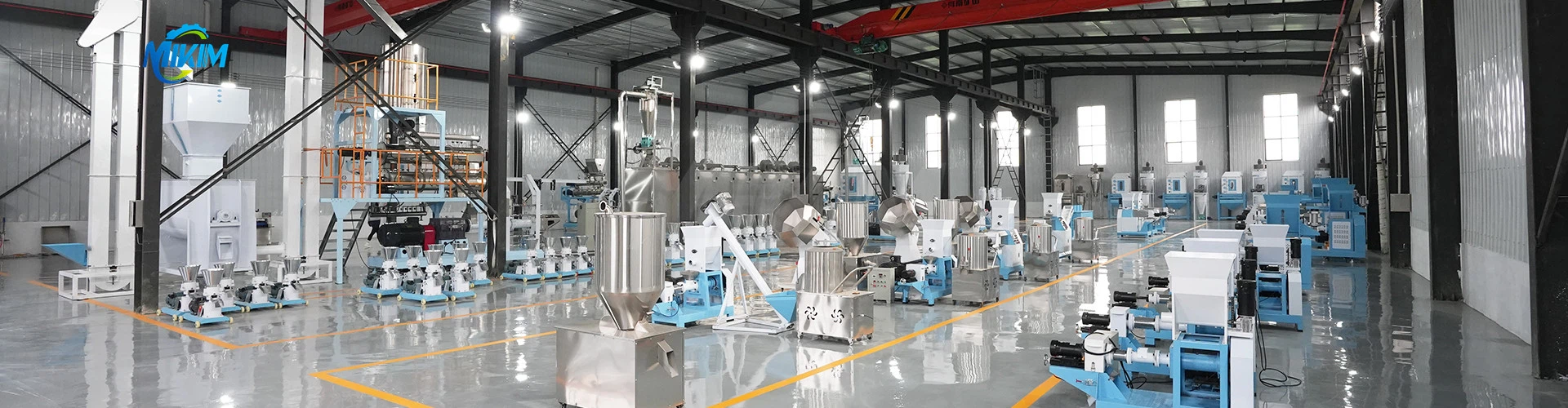
MIKIM's fish feed pellet production lines and supporting machinery offer excellent value for money. Not only are they affordable, eliminating middlemen markups and allowing small and medium-sized enterprises (SMEs) and fish farmers to purchase complete sets of equipment at reasonable costs, but they also boast exceptional efficiency. The fully automated process, from raw material crushing and precise ingredient mixing to extrusion pelleting and maturation, is completed in one continuous flow. This results in high starch gelatinization rates and uniform pellet formation, significantly improving production efficiency and feed quality, truly achieving "low cost, high output." Choosing a MIKIM fish feed pellet production line means enjoying comprehensive pre-sales and after-sales service, including 24-hour online customer support, a one-year warranty on the entire machine, professional on-site installation, commissioning, and maintenance, and a stable supply of spare parts. Customers can buy with confidence and use with peace of mind, with both excellent value and service quality!
Customer visit

Certificate of Honor

If you would like to learn more about MIKIM machinery, please contact us. We offer one-stop service and welcome your inquiries!!!