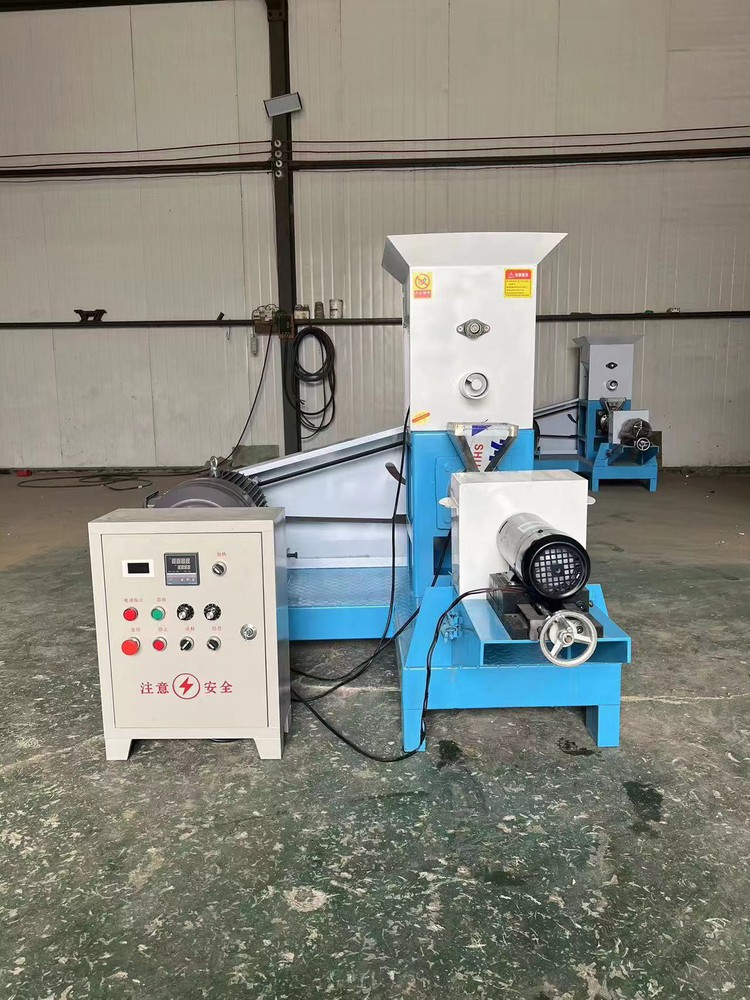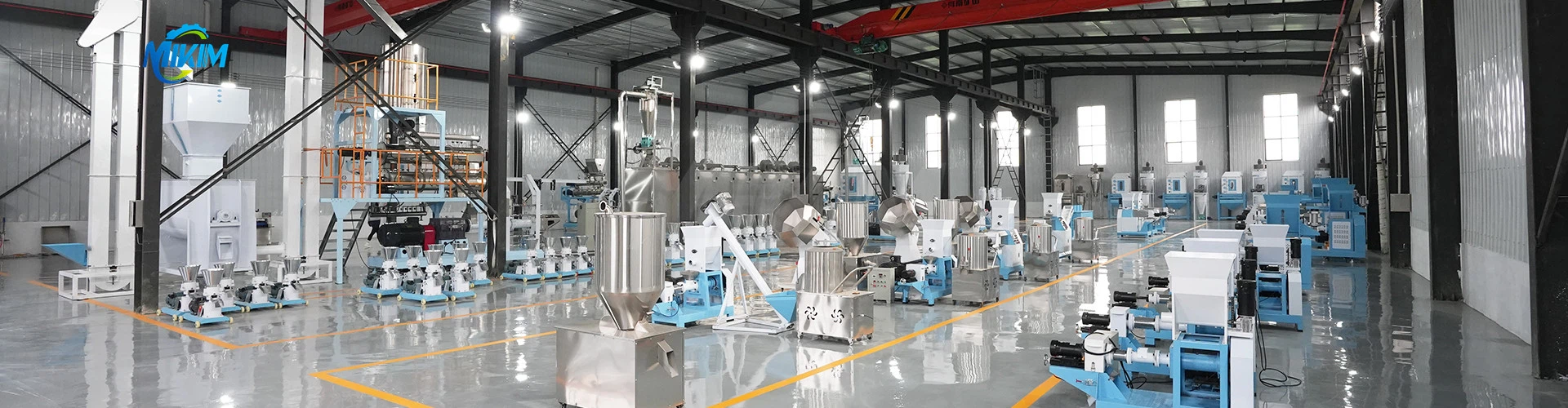
Floating Feed Extruder: Enhancing Aquaculture Nutrition and Efficiency
Aquaculture, the farming of fish and other aquatic organisms, has experienced tremendous growth in recent years as a means of meeting the ever-increasing demand for seafood. One crucial aspect of successful aquaculture is the formulation and production of high-quality fish feed. Floating feed extruders have emerged as a game-changer in this field, revolutionizing aquaculture nutrition and efficiency.
The primary objective of fish feed is to provide balanced nutrition for the growth and development of aquatic organisms. Traditionally, fish feed was produced through simple grinding and mixing of ingredients, leading to low nutrient utilization and limited growth potential. However, with the advent of floating feed extruders, a significant shift has occurred in fish feed production.
Floating feed extruders are advanced machines designed to process a wide range of ingredients and produce nutritionally optimized floating feeds. These extruders use a combination of heat, pressure, and mechanical shear to convert raw materials into high-quality pellets. The process involves the conditioning, mixing, cooking, and shaping of the feed mixture, resulting in enhanced digestibility, improved nutrient utilization, and reduced feed waste.
One of the key advantages of floating feed extruders is their ability to produce floating pellets. Floating feed is particularly beneficial for fish species that prefer to feed on the water surface, such as tilapia and catfish. The floating pellets remain suspended in the water, reducing the risk of feed wastage and allowing farmers to monitor and control the feed intake more effectively. This not only improves the nutritional efficiency but also reduces the environmental impact of aquaculture operations.
Another significant advantage of floating feed extruders is their versatility in processing various ingredients. These machines can handle a wide range of raw materials, including fishmeal, plant proteins, grains, and oilseeds. By precisely controlling the extrusion parameters, such as temperature, pressure, and screw speed, the nutritional composition of the feed can be tailored to meet the specific requirements of different aquatic species at various life stages.
Floating feed extruders also play a crucial role in improving feed efficiency. The extrusion process enhances the digestibility and nutrient availability of the feed, leading to better growth rates and reduced feed conversion ratios. The controlled cooking and gelatinization of starches in the extrusion process significantly increase the digestibility of carbohydrates, ensuring optimal energy utilization by the fish. Furthermore, the extrusion can help in destroying anti-nutritional factors and pathogens present in the raw materials, promoting better health and disease resistance in the farmed fish.
In addition to nutrition, floating feed extruders contribute to the overall efficiency of aquaculture operations. These machines are capable of producing large quantities of feed in a continuous and automated manner. The high-speed extrusion process enables rapid production, reducing the time required for feed manufacturing. This efficiency translates into cost savings for farmers and ensures a steady and reliable supply of feed, even during peak production periods.
Moreover, floating feed extruders offer precise control over pellet size, shape, and density, allowing farmers to adapt the feed to the specific requirements of different fish species. This customization ensures optimal growth and reduces the risk of overfeeding or underfeeding, leading to more uniform and healthy fish populations. The floating nature of the pellets also facilitates easy monitoring of fish feeding behavior, enabling farmers to detect any signs of reduced appetite or health issues promptly.
The adoption of floating feed extruders has not only transformed fish feed production but has also contributed to the sustainability of aquaculture. By improving nutrient utilization and reducing feed wastage, these machines help minimize the environmental impact of aquaculture operations. Additionally, the ability to process a wide range of ingredients promotes the use of alternative and sustainable feed sources, reducing the reliance on fishmeal and other finite resources.
In conclusion, floating feed extruders have revolutionized aquaculture nutrition and efficiency. These advanced machines have transformed fish feed production by improving nutrient utilization, reducing feed waste, and promoting sustainable practices. With their ability to produce floating pellets and handle various ingredients, floating feed extruders offer precise control over feed formulation, resulting in optimal growth and better health for farmed fish. As the demand for seafood continues to rise, the adoption of floating feed extruders will play a vital role in meeting the nutritional needs of an expanding global population while minimizing the environmental impact of aquaculture.