
What is the output of the feed pellet machine? How much can you produce per hour?
The most concerned issue of many customers inquiring about the feed pellet machine is nothing more than the output of the feed pellet machine, and the output of the feed pellet machine is different according to the type of equipment.
Feed pellet machines are divided into ring die and flat die pellet machines. Generally, ring die pellet machines are used for large-scale feed production. The flat die feed pellet machine is mainly used for the production of large, medium, small and household scale feed pellets.
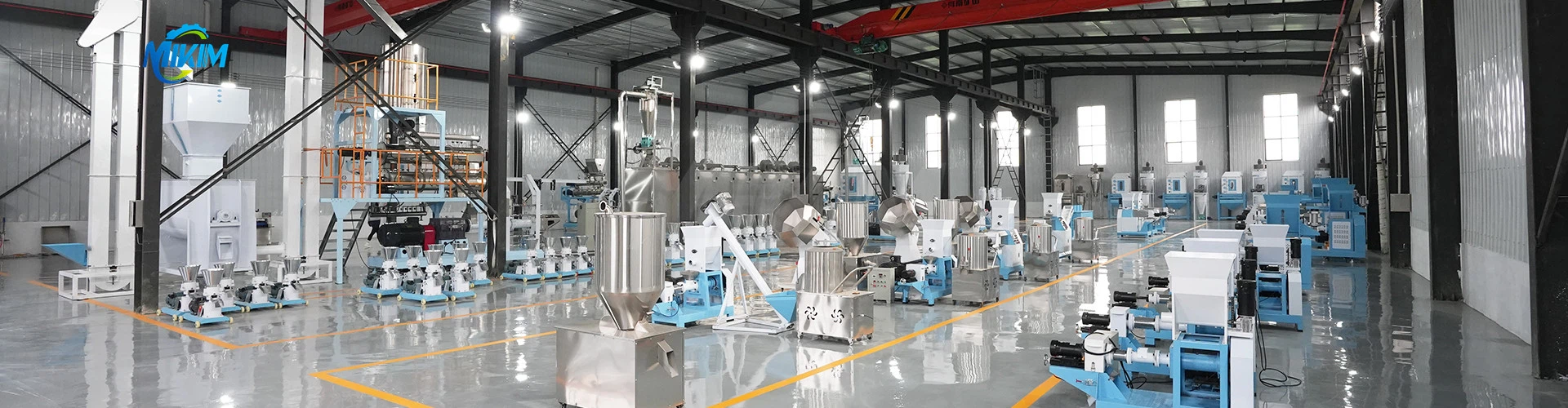
Mikim mainly produces flat-die feed pellet machines. Compared with ring die, the biggest advantages of this model are: simple results, simple operation, small footprint, low noise, and low energy consumption.
According to the power, it is divided into electric type, diesel type, gasoline type, and tractor-driven type. Depending on the power of the machine, the output is naturally different.
The output of feed pellet electromechanical models ranges from 60 to 800 kg/hour, and the output of diesel models ranges from 60 to 600 kg/hour.

2. What is the price of feed pellet machine?
In addition to the output of the feed pellet machine, the price is also the most important factor considered by many buyers. According to the production needs, the general ring die pellet machine is expensive, which increases the cost of investment. The flat die feed pellet machine is relatively cheap. Take Mikim's feed pellet machine as an example, depending on the output and power, the price ranges from more than 2,000 to more than 10,000.
3. What is the quality of the feed pellet machine?
Mikim feed pellet machine has passed ISO quality management system certification and EU CE safety certification. Some models have obtained national patent certificates. The model has passed the durability test and obtained the agricultural machinery appraisal certificate of the Agricultural Machinery Promotion Department, and some provinces can participate in the purchase of agricultural machinery subsidies.