
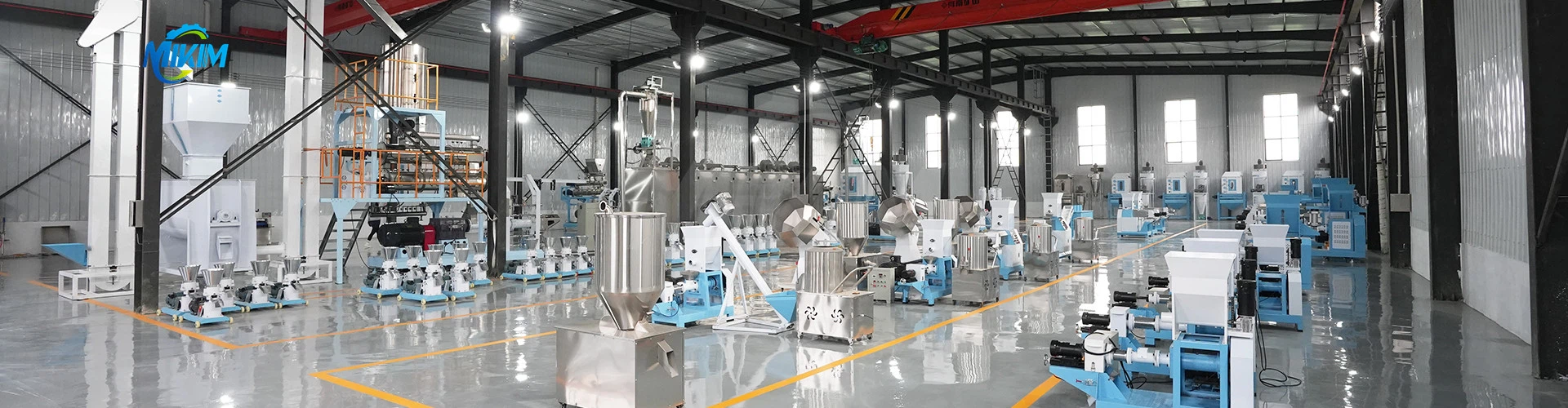
Efficiency Meets Sustainability: Floating Feed Extruder Takes Fish Farming to New Heights
Fish farming, also known as aquaculture, has become a vital source of seafood production to meet the ever-increasing global demand. As the industry continues to grow, the need for sustainable and efficient farming practices becomes more pressing. In recent years, the introduction of the floating feed extruder has revolutionized fish farming by combining efficiency with sustainability. This innovative technology has taken fish farming to new heights, improving feed production, optimizing nutrition, and minimizing environmental impact.
One of the key advantages of the floating feed extruder is its ability to produce floating pellets. Floating pellets are particularly beneficial for species such as tilapia, catfish, and carp, which are surface feeders. These pellets remain buoyant on the water's surface, making them easily accessible to the fish. Unlike sinking pellets, floating pellets minimize feed wastage and enable efficient feeding, resulting in improved feed conversion rates and reduced environmental impact.
Moreover, the floating feed extruder allows for precise control over pellet size, shape, and composition. This customization enables farmers to tailor feed formulations to meet the specific nutritional requirements of different fish species and growth stages. By optimizing the nutrient content of the feed, farmers can promote healthy growth, enhance fish welfare, and reduce the occurrence of nutrient-related diseases. This not only improves the overall productivity of fish farming but also ensures the well-being of the farmed fish.
In addition to customization, the floating feed extruder offers versatility in ingredient selection. Traditionally, fishmeal, derived from wild-caught fish, has been a primary protein source in aquaculture feeds. However, the floating feed extruder allows for the inclusion of alternative protein sources, such as plant-based proteins (soybean meal, corn gluten meal) and novel ingredients (insect meal, single-cell protein). By diversifying protein sources, fish farmers reduce their dependence on fishmeal, promote sustainable feed production, and contribute to the conservation of marine resources.
The floating feed extruder also enhances feed production efficiency. The automated system streamlines the entire process, combining grinding, mixing, extrusion, and pellet formation into a continuous operation. This eliminates the need for multiple manual interventions, reduces labor requirements, and increases production output. The extruder's efficiency not only saves time and resources but also improves cost-effectiveness, making fish farming more economically viable for farmers.
Furthermore, the floating feed extruder promotes sustainability by reducing environmental impact. The technology optimizes feed utilization, minimizing wastage and reducing the discharge of excess nutrients into the aquatic environment. By improving feed conversion rates and reducing the amount of feed required, the extruder helps to mitigate the risk of water pollution and eutrophication. This sustainable approach to feed production aligns with the industry's goals of minimizing environmental footprint and ensuring the long-term viability of fish farming.
In terms of feed quality and safety, the floating feed extruder offers significant benefits. The extrusion process involved in pellet formation destroys harmful bacteria, parasites, and pathogens, reducing the risk of disease outbreaks in aquaculture systems. Additionally, the extruder provides uniform heating and pressure treatment, improving feed digestibility and nutrient absorption by fish. This promotes optimal growth, reduces the occurrence of digestive disorders, and enhances the overall health and welfare of farmed fish.
The adoption of floating feed extruders has gained momentum globally, with fish farmers of all scales embracing this technology. Small-scale farmers benefit from increased feed production capacity and reduced labor requirements, allowing them to expand their operations. Large-scale farms, on the other hand, enjoy economies of scale, improved operational efficiency, and the ability to customize feed formulations based on specific farming conditions and fish species.
In conclusion, the floating feed extruder represents a significant advancement in fish farming technology. By combining efficiency with sustainability, this innovative technology has taken fish farming to new heights. The ability to produce floating pellets, customize feed formulations, optimize nutrition, and minimize environmental impact has transformed the way fish are fed in aquaculture. As the demand for seafood continues to rise, the floating feed extruder provides a sustainable solution that ensures the efficient production of high-quality feed while preserving the health of the aquatic ecosystem.