Efficiency Meets Sustainability: Animal Pellet Machine Revolutionizes Feed Production
In the modern world, the demand for high-quality animal feed continues to grow, driven by the increasing need to meet the nutritional requirements of livestock, poultry, and aquaculture. To keep up with this demand, the animal feed industry constantly seeks innovative solutions that can enhance efficiency while promoting sustainability. One such groundbreaking technology that has revolutionized feed production is the animal pellet machine.
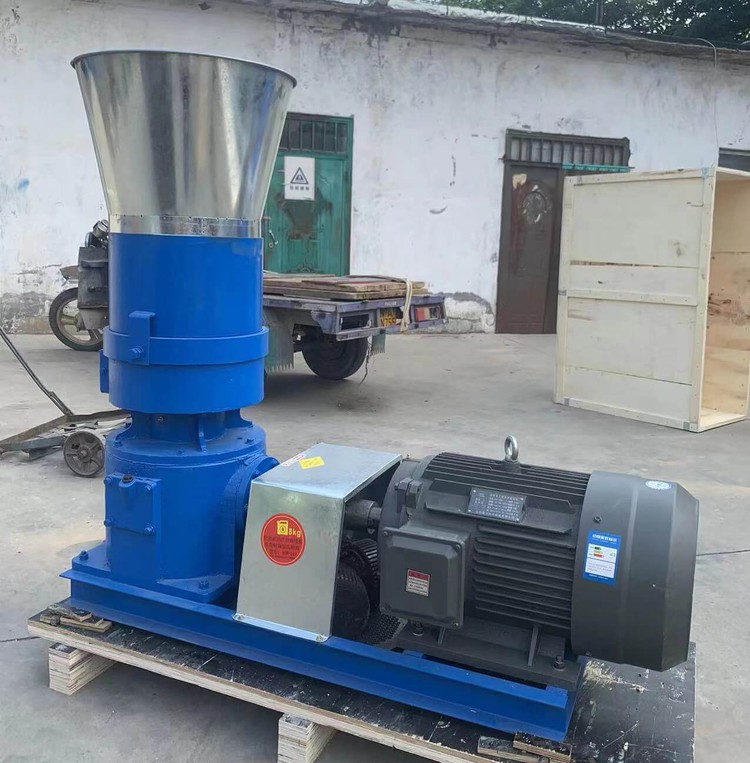
The animal pellet machine, also known as a pellet mill, has transformed the way animal feed is manufactured. This advanced piece of equipment is designed to convert raw materials into compact, uniform pellets that are highly nutritious and easy to handle. The machine operates through a process called pelletization, where the raw materials, such as grains, oilseeds, and by-products, are compressed and shaped into pellets under high pressure and heat.
One of the primary benefits of the animal pellet machine is its remarkable efficiency. The automated process ensures consistent pellet size, shape, and density, leading to uniform feed distribution and optimized animal consumption. This results in improved feed conversion ratios, as animals can easily digest and absorb the nutrients from the pellets, leading to enhanced growth and performance.
Moreover, the animal pellet machine offers significant time and labor savings. The automated operation allows for continuous pellet production, minimizing downtime and reducing the need for manual intervention. This not only increases the overall productivity of feed mills but also streamlines the production process, allowing manufacturers to meet the ever-growing demand for animal feed more efficiently.
In addition to efficiency, sustainability is a key aspect of modern feed production. The animal pellet machine aligns perfectly with sustainable practices in several ways. Firstly, it promotes resource utilization by enabling the use of various biomass materials, including agricultural residues, by-products, and alternative feed ingredients. This helps reduce waste and maximizes the utilization of available resources, contributing to a more sustainable and circular economy.
Furthermore, the pelletization process offers environmental benefits. By compressing the raw materials into pellets, the animal pellet machine reduces the volume and bulkiness of the feed, making storage, handling, and transportation more efficient. This not only saves space but also reduces the carbon footprint associated with feed production and logistics.
Another aspect of sustainability is the reduction of anti-nutritional factors and the improvement of feed safety. The heat and pressure applied during the pelletization process effectively destroy harmful microorganisms and reduce the presence of anti-nutritional substances in the feed. This enhances feed hygiene and safety, ensuring that animals receive a nutritionally balanced and uncontaminated diet.
Moreover, the use of animal feed pellets produced by the pellet machine promotes better feed management. The uniform size and shape of the pellets facilitate precise feeding and minimize feed wastage. This not only saves costs but also reduces the environmental impact associated with excess feed disposal.
The animal pellet machine also offers versatility in terms of feed formulations. Feed manufacturers can easily adjust the ingredients and nutrient composition of the pellets to meet the specific dietary needs of different animal species, growth stages, or production goals. This flexibility allows for optimal nutrition and maximizes the performance and well-being of animals.
It is important to note that the efficient and sustainable operation of an animal pellet machine requires proper maintenance and monitoring. Regular inspection and cleaning of the machine's components, such as the die and rollers, ensure optimal pellet quality and prevent downtime. Additionally, adherence to quality control measures, including the selection of high-quality raw materials and adherence to good manufacturing practices, is crucial to ensure the production of safe and nutritious feed pellets.
In conclusion, the animal pellet machine has revolutionized feed production by combining efficiency with sustainability. Its ability to produce high-quality, uniform feed pellets enhances animal performance while reducing resource waste and environmental impact. By embracing this innovative technology, the animal feed industry can meet the growing demand for nutritious feed in a more efficient, cost-effective, and environmentally friendly manner.