
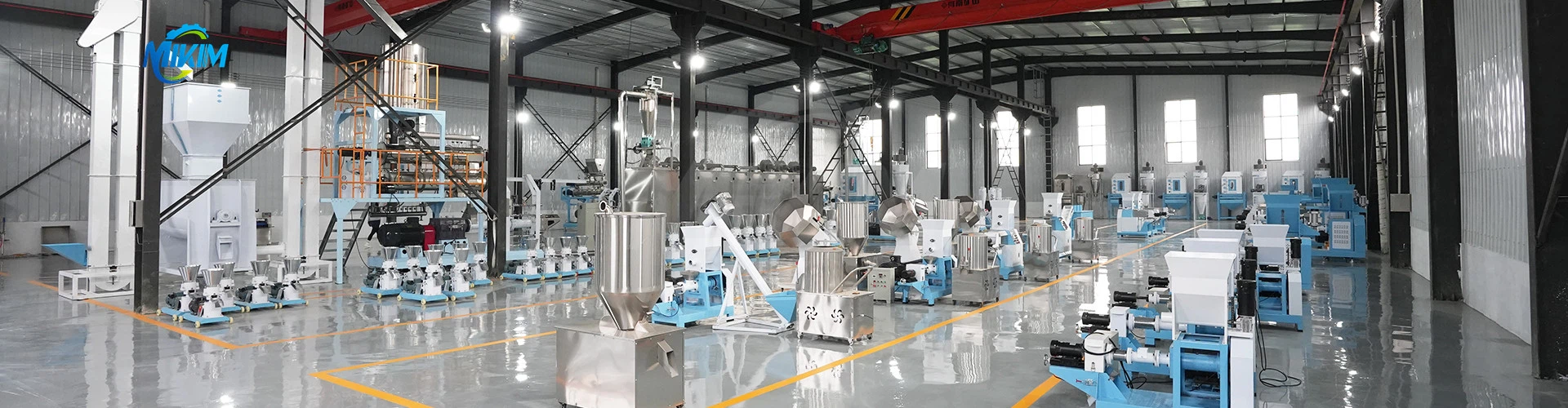
Through continuous technological innovation and process optimization, the ruminant feed production line creates a more excellent production environment for breeding enterprises with an attitude of excellence.
1. Application of advanced technology to improve production efficiency
Adopt advanced ruminant feed processing technology, including feed equipment such as crushers, mixers, and pellet machines. By implementing automated production processes, production efficiency is greatly improved, the tediousness of manual operations is reduced, and the stability and consistency of feed production are ensured.
2. Intelligent feed formula management to reduce raw material waste
Introduce an intelligent feed management system to monitor market demand, animal growth status and raw material inventory and make timely adjustments. This not only improves the palatability of feed, but also reduces the waste of raw materials, making breeding enterprises more economical and efficient.

|
Model |
Capacity |
Dimension |
Weight |
|
MK-125 |
80-100kg/h |
110*35*70 cm |
95 kg |
|
MK-150 |
120-150kg/h |
115*35*80cm |
100 kg |
|
MK-210 |
200-300kg/h |
115*45*95cm |
300 kg |
|
MK-260 |
500-600kg/h |
138*46*100cm |
350 kg |
|
MK-300 |
700-800kg/h |
130*53*105cm |
600 kg |
|
MK-360 |
900-1000kg/h |
160*67*150cm |
800 kg |
|
MK-400 |
1200-1500kg/h |
160*68*145cm |
1200 kg |
| 1.Used for making animal feed pellets
2.Used for making wood pellets as fuel 3.Raw material size need 3-5mm ; Humidity :10-12% |
|||
3. Energy-saving and environmentally friendly design to reduce production costs
The ruminant feed production line focuses on energy-saving and environmentally friendly design, selects energy-efficient equipment, and reduces energy consumption in the production process through technical means such as energy recovery. This not only reduces production costs, but also complies with the concept of sustainable development of the enterprise.
4. Multifunctional equipment configuration to improve production flexibility
The production line is equipped with multifunctional equipment to meet the needs of ruminants of different types and growth stages, including cattle, sheep, deer, etc. This makes the production line more flexible and can flexibly adjust production plans to adapt to market changes.
5. Regular maintenance and training to ensure long-term and stable operation of equipment
Regular equipment maintenance services and relevant equipment operation and maintenance training for breeding enterprise staff. This ensures the long-term and stable operation of the equipment and reduces downtime due to equipment failure.