
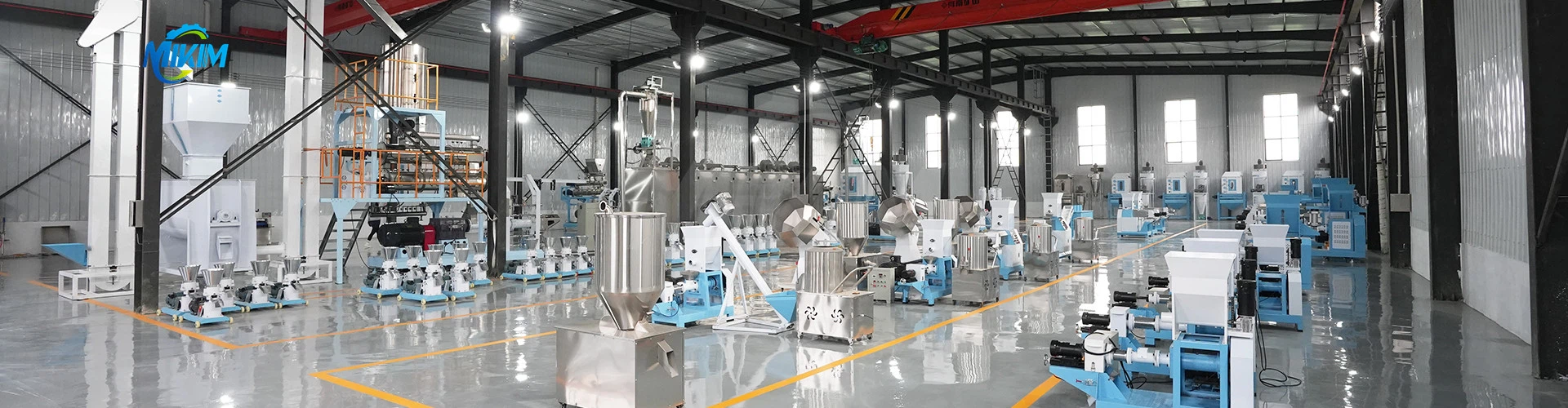
Clean Energy Revolution: Sawdust Pellet Machines for a Greener Future
Introduction
In the face of climate change and the pressing need to transition to sustainable energy sources, sawdust pellet machines have emerged as a key player in the clean energy revolution. These machines provide an innovative solution for utilizing sawdust, a widely available waste material, and transforming it into high-quality and efficient fuel pellets. With their ability to generate clean energy and contribute to a greener future, sawdust pellet machines are gaining prominence in various industries and becoming an integral part of sustainable energy systems.
Harnessing the Power of Sawdust
Sawdust, a byproduct of the timber industry and other wood processing operations, has long been viewed as a waste material with limited applications. However, with the advent of sawdust pellet machines, this perception is rapidly changing. These machines operate by compressing sawdust under high pressure and temperature, forming dense and uniform pellets that can be used as a renewable energy source.
The Advantages of Sawdust Pellets
Sawdust pellets offer numerous advantages over traditional fossil fuels and other biomass materials. Firstly, they have a higher energy density, meaning that they contain more energy per unit of volume compared to raw sawdust. This increased energy density makes them highly efficient and cost-effective, as less storage space is required, and transportation costs are reduced.
Moreover, sawdust pellets have a lower moisture content, typically below 10%, compared to raw sawdust, which can have moisture levels of 40% or higher. This low moisture content ensures more efficient combustion, resulting in reduced emissions and higher heat output. The controlled moisture content also makes sawdust pellets easier to handle and store.
Furthermore, sawdust pellets have a uniform shape and size, which leads to consistent combustion and better control of the energy output. This uniformity enables a more precise regulation of heat and allows for greater efficiency in various applications, including heating systems, power generation, and industrial processes.
Environmental Benefits
One of the most significant advantages of sawdust pellets is their environmental friendliness. By utilizing sawdust, which would otherwise be discarded or burned, sawdust pellet machines contribute to waste reduction and prevent the release of harmful emissions. Sawdust pellets have a lower carbon footprint compared to fossil fuels, as the carbon dioxide released during their combustion is offset by the carbon dioxide absorbed by trees during their growth. This carbon neutrality makes sawdust pellets an attractive option for reducing greenhouse gas emissions and combating climate change.
Furthermore, sawdust pellet machines promote sustainable forestry practices. The demand for sawdust as a raw material incentivizes responsible forestry management, including tree planting and sustainable harvesting. By supporting sustainable forestry, sawdust pellet machines contribute to the preservation of forests, which are vital for biodiversity conservation and carbon sequestration.
Versatility and Flexibility
Sawdust pellet machines offer versatility in terms of the feedstock they can process. While their primary focus is sawdust, they can also handle other biomass materials such as wood chips, straw, agricultural residues, and even certain types of organic waste. This flexibility allows for the efficient utilization of various locally available biomass resources, reducing dependence on fossil fuels and promoting regional self-sufficiency in energy production.
Applications of Sawdust Pellets
The applications of sawdust pellets are diverse and wide-ranging. They can be used as a clean and efficient fuel for residential and commercial heating systems, replacing traditional fossil fuels such as coal, oil, and natural gas. Sawdust pellets are also suitable for power generation in biomass power plants, where they can be used to produce electricity and heat in an environmentally friendly manner.
Moreover, sawdust pellets have found applications in various industrial processes, such as drying
and curing in manufacturing industries. The consistent heat output and controlled combustion properties of sawdust pellets make them ideal for industrial processes that require precise temperature control and reliable energy sources.
In addition to their energy applications, sawdust pellets are also used in animal bedding and livestock farming. The pellets provide a clean and absorbent bedding material that helps maintain hygienic and comfortable conditions for animals. Sawdust pellets are dust-free, which reduces respiratory issues in animals and enhances overall animal welfare.
Furthermore, the use of sawdust pellets contributes to the circular economy by promoting the utilization of waste materials. Instead of being discarded or incinerated, sawdust is transformed into a valuable resource, reducing waste generation and promoting resource efficiency. This aligns with the principles of sustainability and waste reduction, creating a more environmentally responsible and resource-efficient society.
Challenges and Future Outlook
While sawdust pellet machines offer numerous benefits, there are also challenges that need to be addressed for their widespread adoption. One key challenge is the availability and consistent supply of sawdust as a feedstock. This requires collaboration with the forestry and wood processing industries to ensure a sustainable and reliable source of sawdust. Additionally, the cost of sawdust pellet machines and the associated infrastructure can be a barrier to entry for some businesses and individuals. Efforts should be made to promote technological advancements and cost reductions to make sawdust pellet machines more accessible and affordable.
Looking ahead, the future of sawdust pellet machines and their role in the clean energy revolution is promising. As the demand for renewable energy sources continues to grow, the market for sawdust pellets is expected to expand. Advancements in technology will further enhance the efficiency and performance of sawdust pellet machines, making them even more attractive for energy production. Additionally, government support and incentives for renewable energy and sustainable practices will play a crucial role in driving the adoption of sawdust pellet machines and promoting a greener future.
Conclusion
Sawdust pellet machines have emerged as a sustainable fuel solution, providing cleaner energy and contributing to a greener future. By harnessing the power of sawdust and converting it into high-quality pellets, these machines offer numerous advantages such as higher energy density, lower emissions, and environmental friendliness. The versatility of sawdust pellet machines allows for the utilization of various biomass resources, reducing dependence on fossil fuels and promoting regional self-sufficiency in energy production. Despite challenges, the future outlook for sawdust pellet machines is promising, as they become an integral part of the clean energy revolution. By embracing this technology and promoting its adoption, we can pave the way for a more sustainable and environmentally responsible energy system.