
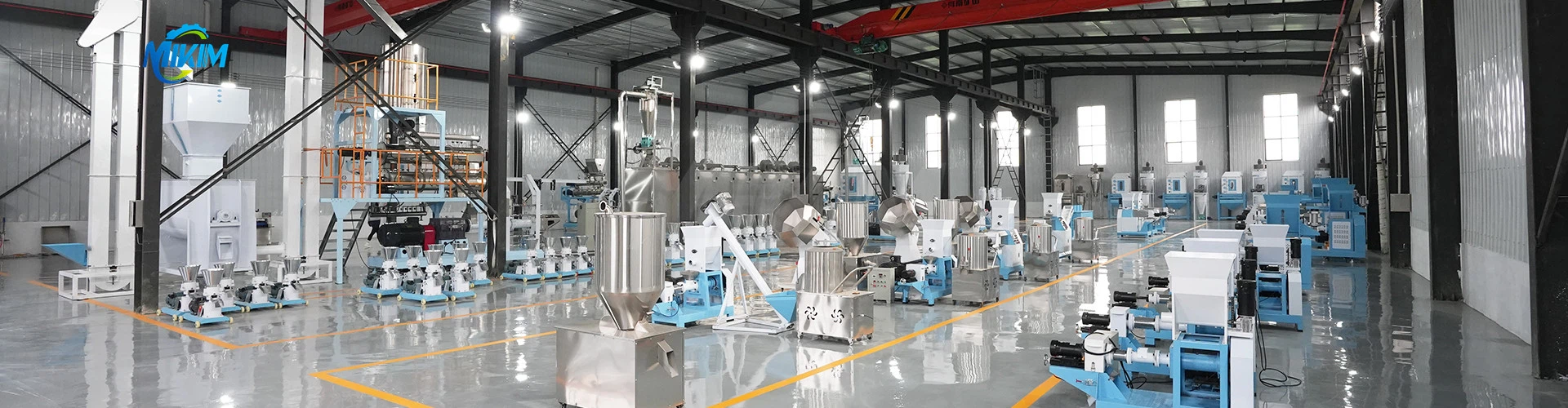
Briquette Machine: Transforming Waste into Clean Energy
The global energy landscape is rapidly evolving, with a growing emphasis on sustainable and renewable energy sources. In this context, the briquette machine has emerged as a game-changing technology that transforms waste materials into clean and efficient energy sources. By utilizing biomass residues and other organic waste, briquette machines offer a sustainable solution for energy generation while simultaneously addressing waste management challenges.
The briquette machine operates on the principle of compressing biomass residues, such as agricultural waste, forestry residues, or even municipal solid waste, into compact and uniform briquettes. These briquettes serve as a clean and efficient alternative to traditional fossil fuels, such as coal or oil. The process involves applying high pressure to the biomass, which results in the lignin within the material acting as a natural binder, holding the briquettes together.
One of the primary advantages of the briquette machine is its ability to utilize a wide range of biomass waste materials. Agricultural residues, such as crop stalks, rice husks, or sawdust, can be transformed into valuable energy resources through the briquetting process. Additionally, forestry residues, including wood chips, bark, or branches, can be efficiently converted into briquettes. Even municipal solid waste, such as paper, cardboard, or biomass waste from households, can be processed by briquette machines. This versatility in feedstock selection makes briquette machines a viable solution for waste management while simultaneously reducing dependence on fossil fuels.
Furthermore, the briquetting process offers several environmental benefits. By converting biomass waste into briquettes, the briquette machine helps reduce the volume of waste materials, minimizing the need for landfill space. This contributes to a cleaner and healthier environment, reducing the potential for pollution and greenhouse gas emissions associated with waste decomposition. Moreover, by replacing fossil fuels with biomass briquettes, the briquette machine helps mitigate climate change by reducing CO2 emissions and promoting the use of renewable energy sources.
In terms of energy efficiency, briquette machines offer significant advantages over traditional combustion methods. The high-density briquettes produced by the machine have a lower moisture content and a higher energy content, resulting in more efficient and cleaner combustion. This means that briquettes burn with less smoke, ash, and harmful emissions compared to raw biomass or traditional solid fuels. The consistent shape and size of the briquettes also facilitate automated feeding and combustion processes, making them suitable for a wide range of heating and power generation applications.
Moreover, the utilization of biomass briquettes generated by the briquette machine contributes to the development of local economies. In many regions, agriculture and forestry are key sectors, generating substantial amounts of waste materials. By converting these residues into briquettes, communities can harness their own resources and produce a valuable energy commodity, reducing dependence on imported fossil fuels. This decentralized approach promotes rural development, creates employment opportunities, and strengthens local energy security.
The adoption of briquette machines has gained momentum across the globe, with governments, businesses, and individuals recognizing their potential to transform waste into clean energy. Incentives and policies promoting renewable energy and sustainable waste management have further stimulated the demand for briquette machines. Additionally, ongoing research and development efforts are focused on improving the briquetting process, enhancing the energy content of the briquettes, and exploring new feedstock options.
In conclusion, the briquette machine represents a transformative technology that converts waste materials into clean and efficient energy sources. By utilizing biomass residues and organic waste, briquette machines contribute to waste management, reduce greenhouse gas emissions, and promote sustainable energy production. With their versatility, environmental benefits, and energy efficiency, briquette machines have a pivotal role to play in the transition towards a more sustainable and renewable energy future.
