
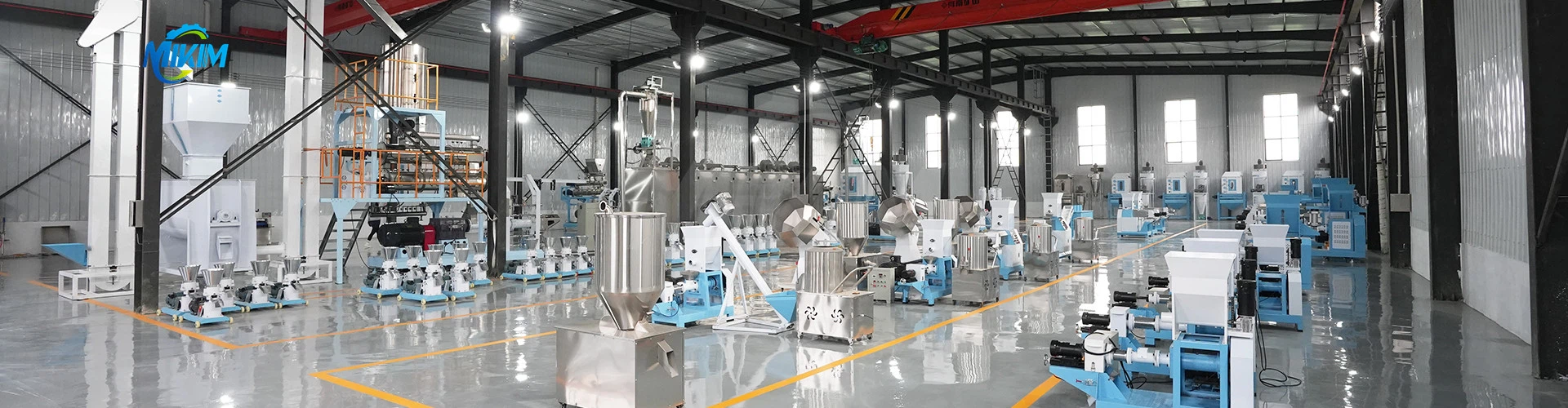
Livestock health is essential for every farmer who wants to achieve success in animal husbandry. The quality of feed given to animals is one of the most significant factors affecting their overall health and productivity. A high-quality animal feed pellet mill can help to improve livestock health by producing uniform, nutritious feed that meets the animals' dietary requirements.
Animal feed pellet mills are machines that convert raw materials such as corn, soybean, wheat, and other grains into compressed pellets. These pellets are then fed to livestock such as cattle, pigs, poultry, and sheep. The use of animal feed pellet mills has become increasingly popular in recent years due to the many benefits they offer.
One of the primary advantages of animal feed pellet mills is the ability to produce high-quality feed that meets the animals' dietary requirements. Pellets produced by a high-quality animal feed pellet mill are consistent in size, shape, and texture, which makes them easier for animals to digest. This is particularly important for ruminants such as cattle and sheep, as their digestive systems require a consistent source of feed to function properly.
Furthermore, animal feed pellet mills allow for the incorporation of different ingredients into the feed. This means that farmers can customize the feed to meet the specific nutritional needs of their animals. For example, a farmer may choose to add supplements such as vitamins, minerals, and probiotics to the feed to improve animal health and performance.
Another benefit of using an animal feed pellet mill is that it can help to improve feed efficiency. This is because pellets are more easily digested by animals, which means that they can extract more nutrients from the feed. Improved feed efficiency means that farmers can reduce feed costs while still providing their animals with the necessary nutrients.
Additionally, animal feed pellet mills can help to reduce feed waste. Pellets are less likely to be wasted than traditional loose feed, which means that farmers can save money by reducing feed costs. Additionally, less wasted feed means that there is less environmental impact from excess feed in the animals' environment.
The use of animal feed pellet mills can also have a positive impact on animal health. Pellets produced by a high-quality animal feed pellet mill are less likely to be contaminated with harmful bacteria and pathogens. This is because the pellets are compressed under high pressure, which kills bacteria and sterilizes the feed. Additionally, pellet mills can reduce the likelihood of mold and mycotoxin contamination, which can be harmful to animal health.
Furthermore, animal feed pellet mills can improve animal performance. This is because the pellets are easier for animals to digest, which means that they can extract more nutrients from the feed. Improved feed efficiency and better nutrient absorption can lead to increased weight gain, improved milk production, and better overall animal health.
When choosing an animal feed pellet mill, it is essential to consider factors such as pellet quality, efficiency, and durability. High-quality pellet mills produce consistent pellets that meet animals' nutritional requirements, while efficient pellet mills help to reduce feed waste and improve feed efficiency. Additionally, durable pellet mills can withstand the demands of frequent use and provide long-term value for farmers.
In conclusion, an animal feed pellet mill is a valuable investment for farmers who want to improve their livestock's health and productivity. These machines produce high-quality, nutritious feed that meets animals' dietary requirements, improves feed efficiency, reduces feed waste, and promotes animal health. By choosing a high-quality, efficient, and durable animal feed pellet mill, farmers can ensure that their animals receive the best possible nutrition, leading to improved animal performance and increased profitability.