
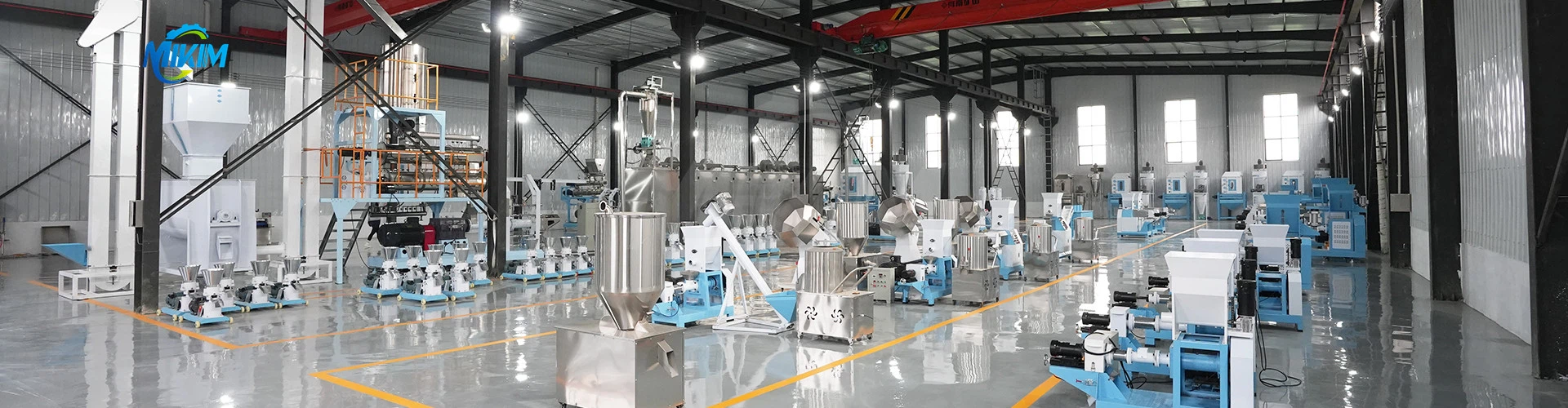
Boost Sustainability and Efficiency with a Wood Briquette Maker
Introduction
In today's world, where environmental sustainability is a pressing concern, finding renewable and efficient sources of energy is paramount. Wood briquettes have emerged as an innovative solution, offering an eco-friendly alternative to traditional fuel sources. These compact and energy-dense biomass products are created using a wood briquette maker, which efficiently compresses wood waste into dense briquettes. In this article, we will explore the benefits and significance of wood briquette makers in boosting sustainability and efficiency.
Utilization of Wood Waste
Wood briquette makers enable the effective utilization of wood waste, which would otherwise be discarded or left to decompose. Wood waste, such as sawdust, wood shavings, and wood chips, is a byproduct of various industries like woodworking, furniture production, and forestry operations. Instead of contributing to landfill waste or causing environmental hazards, these wood wastes can be transformed into valuable resources. Wood briquette makers compress the wood waste, removing excess moisture and producing briquettes that can be used as a sustainable fuel source.
Renewable and Carbon-Neutral Energy
Using wood briquettes as a fuel source offers a renewable and carbon-neutral energy option. Wood is considered a renewable resource as it can be sustainably harvested and regrown. When wood briquettes are burned, they release only the amount of carbon dioxide that the trees absorbed during their growth. This makes wood briquettes a carbon-neutral fuel, as they do not contribute to the net increase of greenhouse gases in the atmosphere. By replacing traditional fossil fuels with wood briquettes, we can significantly reduce our carbon footprint and mitigate climate change.
Energy Efficiency
Wood briquette makers play a crucial role in enhancing energy efficiency. These machines compress wood waste into dense briquettes, resulting in a higher energy content compared to loose or bulky wood waste. The increased energy density of wood briquettes allows for efficient combustion and prolonged burn times. This means that less fuel is required to generate the same amount of heat or energy, resulting in improved energy efficiency. By utilizing wood briquettes, we can optimize energy consumption and reduce wastage, thereby maximizing the use of available resources.
Cost-Effective Solution
Wood briquette makers offer a cost-effective solution for both small-scale and large-scale applications. Wood waste is often considered a low-value or even waste material. However, by converting this waste into briquettes, its value is significantly increased. The process of briquette production using a wood briquette maker is relatively simple and requires minimal investment. By producing their own briquettes, businesses and individuals can reduce their reliance on costly fossil fuels and save on energy expenses in the long run.
Versatile Applications
Wood briquettes produced with a wood briquette maker have a wide range of applications. They can be used as a primary or supplementary fuel in industries such as heating and power generation. Wood briquettes are commonly used in biomass boilers, stoves, and furnaces to provide heat for residential, commercial, and industrial spaces. Additionally, wood briquettes can be used in cooking and grilling, offering a sustainable alternative to charcoal or other solid fuels. The versatility of wood briquettes makes them a valuable resource for various energy needs.
Waste Management and Environmental Benefits
The use of a wood briquette maker contributes to effective waste management and provides several environmental benefits. By diverting wood waste from landfills, these machines help reduce the volume of waste and alleviate pressure on waste disposal systems. Furthermore, wood briquettes produce minimal ash residue, which simplifies waste disposal and reduces environmental pollution. The utilization of wood waste for energy production also reduces the demand for virgin wood resources, preserving forests and biodiversity.
Conclusion
Wood briquette makers are valuable tools for boosting sustainability and efficiency in energy production. By converting wood waste into compact and energy-dense briquettes, these machines offer a renewable, carbon-neutral, and cost-effective alternative to traditional fuel sources. They contribute to effective waste management, reduce carbon emissions, and optimize energy consumption. Investing in a wood briquette maker not only benefits the environment but also provides long-term economic advantages. By harnessing the power of wood briquettes, we can make significant strides towards a more sustainable and efficient future.