
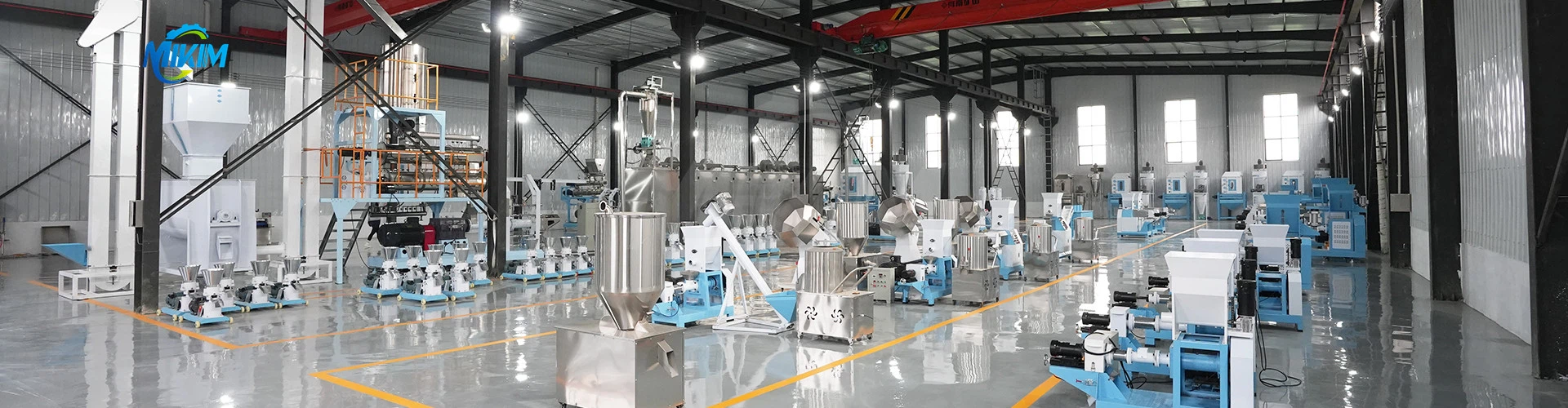
Automated animal feed pellet mills have revolutionized the way animal feed is produced. In the past, animal feed production was a labor-intensive and time-consuming process. However, with the introduction of automated feed pellet mills, farmers can now produce large quantities of high-quality feed in a shorter amount of time.
The advantages of automated animal feed pellet mills are numerous. They not only increase production efficiency but also improve the quality of the feed produced. Automated mills are designed to produce pellets of a uniform size and shape, which helps to ensure that the animals receive a consistent diet. This, in turn, can improve animal health and performance.
One of the most significant benefits of an automated feed pellet mill is that it saves time. In traditional feed production methods, feed ingredients had to be manually mixed, ground, and shaped into pellets. This process was not only labor-intensive, but it also required a lot of time. With automated mills, the process is streamlined, and the feed is produced in a fraction of the time it takes using traditional methods.
Automated feed pellet mills are also highly customizable. They can be programmed to produce pellets of a specific size, shape, and consistency, depending on the needs of the animals being fed. This means that farmers can tailor their feed production to meet the specific nutritional requirements of their animals, which can result in improved animal health and performance.
In addition to improving animal health and performance, automated feed pellet mills can also help farmers reduce waste and save money. Because the feed produced by an automated mill is of a consistent size and shape, there is less waste than with traditional feed production methods. This can save farmers money in the long run, as they do not have to dispose of as much waste.
Furthermore, automated feed pellet mills are eco-friendly. They use less energy than traditional feed production methods, which helps to reduce carbon emissions and lower overall energy costs. This makes them a more sustainable option for farmers who are looking to reduce their environmental impact.
When choosing an automated animal feed pellet mill, there are several factors to consider. One of the most important is the size of the mill. Farmers should choose a mill that is appropriate for their production needs. They should also consider the features of the mill, such as the ability to customize the size and shape of the pellets produced, as well as the ease of use of the machine.
It is also important to choose a high-quality feed pellet mill that is built to last. This will ensure that the machine operates efficiently for years to come, which will help to maximize profitability.
In conclusion, automated animal feed pellet mills have transformed the way animal feed is produced. They offer numerous benefits, including increased production efficiency, improved feed quality, and reduced waste. They are also customizable and eco-friendly, making them a sustainable option for farmers. When choosing an automated feed pellet mill, it is important to consider factors such as size, features, and quality, to ensure that the machine meets the specific needs of the farm and maximizes profitability.