
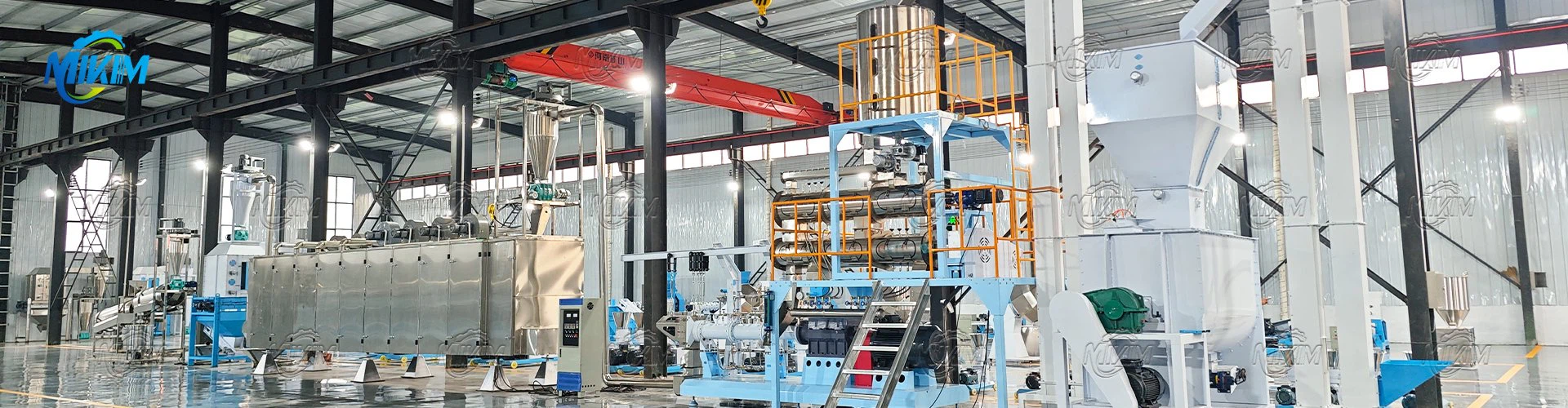
1. Equipment selection and configuration: Select efficient equipment that meets production needs and configure the equipment reasonably. Ensure that the equipment has sufficient processing capacity and stability to meet the production capacity requirements of the production line.
2. Process optimization: Optimize the process flow of the production line to ensure coordination and connection between each process. Reasonably plan the process sequence and the balance between processes to reduce the stagnation and idle time of the production line.
3. Automation and intelligent application: Introduce automation and intelligent technology to improve the automation and intelligence level of the production line. The automation system can achieve precise control and automatic monitoring of the production process, reducing human intervention and operating errors.
4. Operational data analysis and optimization: Establish a complete data collection and analysis system to monitor and analyze the key data of the production line. Through in-depth analysis of the data, find out the problems and bottlenecks of the production line, take corresponding optimization measures, and improve production efficiency.

|
Model |
Capacity |
Power |
|
MK-150 |
120-150kg/h |
4kw |
|
MK-210 |
200-300kg/h |
7.5kw |
|
MK-260 |
500-600kg/h |
15kw |
|
MK-300 |
700-800kg/h |
22kw |
5. Employee training and skills improvement: Cultivate employees' technical and operational skills to improve their work efficiency and production capacity. Conduct regular training to enable employees to master the operating procedures and improve work quality and production efficiency.
6. Good planning and scheduling: formulate reasonable production plans and scheduling to ensure the reasonable arrangement of production tasks and the full utilization of resources. Through scientific planning and scheduling, avoid overproduction or underproduction and improve the operating efficiency of the production line.
7. Regular maintenance and care: Regular maintenance and care of production line equipment to ensure the normal operation and efficient operation of the equipment. Regularly check the wear and failure of equipment, and repair and replace it in time to reduce the downtime and maintenance costs of the production line.
8. Quality control and standardization: Establish a strict quality control system to ensure the quality and consistency of products. Adopt standardized operating procedures and specifications to reduce product variation and scrap rate, and improve production efficiency and product quality.