
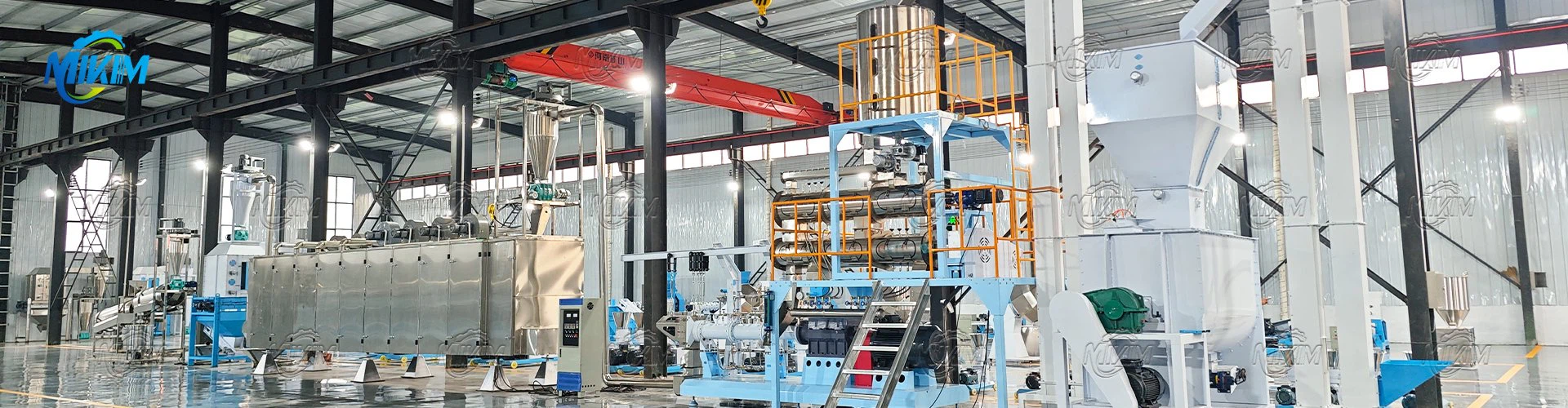
Regular Inspection of Machine Parts
Check the machine parts regularly to see whether they work normally: whether the bearings and other movable parts rotate freely and flexibly, and whether they show wear. If defects are found, they should be repaired in time and the machine must not be continued in use with a fault. A small defect grows under load, and operating with a known fault is the fastest route to a major breakdown. Keep the inspection on a fixed schedule, at least monthly for regular use, and record the results.
Correct Placement and Environment
The pellet unit should be placed in a dry indoor location, and never in a place where the atmosphere contains corrosive gases such as acid fumes. Moisture attacks the bearings, fasteners and electrical parts, while corrosive gases attack the metal surfaces and the die. The floor should be level and firm, the area ventilated, and the machine protected from direct rain and condensation. A machine that sits correctly lasts longer than an identical machine placed badly.
Cleaning After Every Use
After the granule set is used, or when it stops being used, take out the rotating drum where fitted, clean and brush out the remaining powder in the hopper, and load it again, so that the machine is ready for the next use. Residual material left inside hardens, attracts moisture and pests, and blocks the working parts on the next start. The cleaning routine takes minutes and prevents most start-up problems.
Long-Term Storage Preparation
If the machine will be idle for a long period, wipe the whole body of the pellet set clean, coat the glossy surfaces of the machine parts with anti-rust oil and cover it with a cloth. The die, rollers and exposed shafts corrode quickly in humid storage, so the anti-rust protection is essential. Before restarting after storage, inspect the machine, remove the anti-rust oil from working surfaces, and run a short no-load test to confirm everything operates.
The Result of Discipline
These measures greatly reduce the occurrence of wood pellet machine failure and allow the production efficiency of the machine to reach a high level. Preventive care is cheap compared with repair: a bearing replaced on schedule costs a fraction of the same bearing replaced after a breakdown, and the downtime saved during the production season is worth more than the parts.
Frequently Asked Questions
How often should the wood pellet mill be inspected? t least monthly, checking bearings and movable parts for free rotation and wear, with repairs made immediately.
Where should the pellet machine be installed? In a dry indoor location, away from corrosive gases, on a level and firm floor.
What should I do after each use? Remove the drum, clean out the remaining powder and reinstall it, so the machine is ready for the next run.
How do I prepare the machine for long storage? Clean it, coat smooth parts with anti-rust oil and cover with a cloth; inspect and test before restarting.
Can the machine run with a known defect? No, repair defects immediately; a small defect grows under load and causes major breakdowns.