
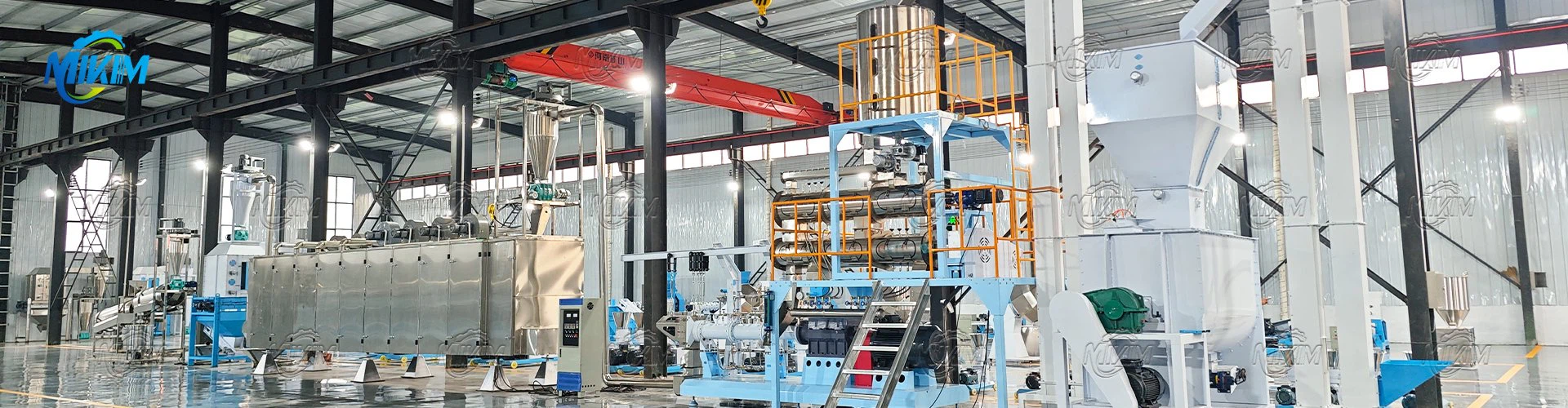
1. Intelligence and automation:
Intelligent feed formula system: The intelligent feed formula system based on big data and artificial intelligence automatically adjusts the feed formula according to animal needs, growth stage and health status to achieve accurate feeding.
Automated production process: Automated feed production line, including raw material transportation, mixing, granulation and packaging, improves production efficiency, reduces manual intervention and reduces production costs.
2. Environmental protection and sustainability:
Waste treatment and resource recovery: The new feed equipment integrates the waste treatment system to convert livestock and poultry manure and waste feed into organic fertilizer, realizes waste resource utilization and reduces environmental pollution.

| Model | Capacity | Power | Dimension | Weight |
| 125 | 80-100kg/h | 3kw | 110*35*70 cm | 95 kg |
| 150 | 120-150kg/h | 4kw | 115*35*80cm | 100 kg |
| 210 | 200-300kg/h | 7.5kw | 115*45*95cm | 300 kg |
| 260 | 500-600kg/h | 15kw | 138*46*100cm | 350 kg |
| 300 | 700-800kg/h | 22kw | 130*53*105cm | 600 kg |
| 360 | 900-1000kg/h | 22kw | 160*67*150cm | 800 kg |
| 400 | 1200-1500kg/h | 30kw | 160*68*145cm | 1200 kg |
Energy saving and emission reduction: Feed equipment adopts energy-saving technology to reduce energy consumption, reduce carbon emissions, and meet green environmental protection standards.
3. Production process monitoring and data analysis:
Real-time monitoring system: The sensors and monitoring systems installed on the equipment can monitor parameters such as temperature, humidity, pressure, etc. in the production process in real time to ensure production quality.
Big data analysis: Collect and analyze production data to provide decision support for farmers, help optimize feed formula, improve production efficiency and predict market demand.