
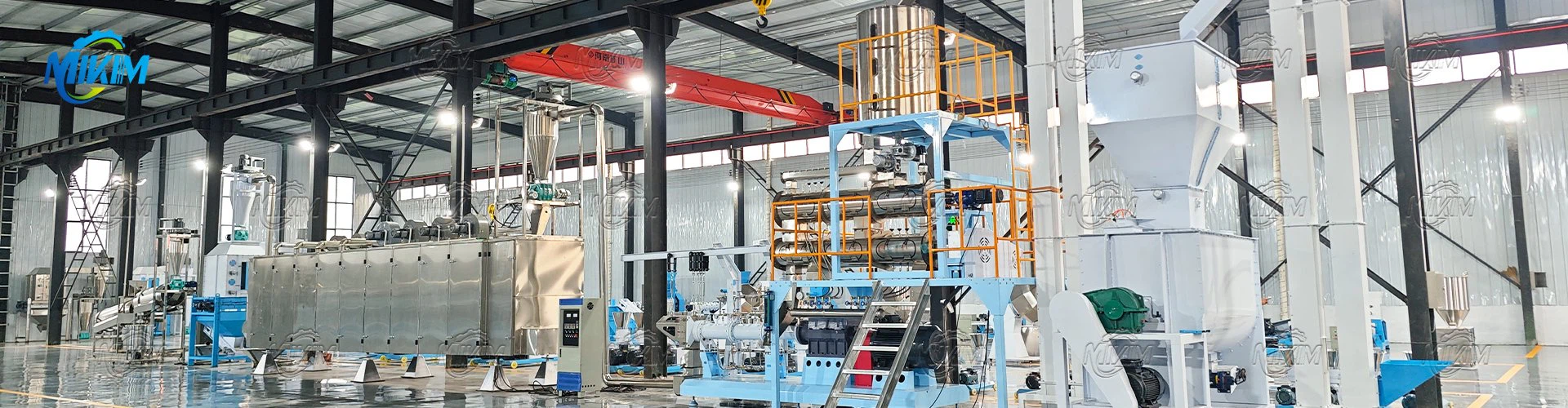
1. Production scale and demand:
Consider the size of the farm and the number of cattle raised to determine the required production scale. Farms of different sizes may require feed processing units with different production and processing capabilities.
2. Feed type and composition:
Different cattle growth stages and uses have different requirements for feed composition. Make sure the selected unit can handle and adjust feed raw materials of different types, forms and compositions to meet the nutritional needs of cattle at different stages.

| Model | Capacity | Power | Dimension | Weight |
| 125 | 80-100kg/h | 3kw | 110*35*70 cm | 95 kg |
| 150 | 120-150kg/h | 4kw | 115*35*80cm | 100 kg |
| 210 | 200-300kg/h | 7.5kw | 115*45*95cm | 300 kg |
| 260 | 500-600kg/h | 15kw | 138*46*100cm | 350 kg |
| 300 | 700-800kg/h | 22kw | 130*53*105cm | 600 kg |
| 360 | 900-1000kg/h | 22kw | 160*67*150cm | 800 kg |
| 400 | 1200-1500kg/h | 30kw | 160*68*145cm | 1200 kg |
3. Feed particle size and hardness:
Different cattle may have different feed particle size and hardness requirements. Choose a pellet machine that can adjust particle size and hardness to suit the taste and digestion ability of different cattle.
4. Automation level:
Consider the automation level of the unit, including automated feeding, mixing, pelletizing, cooling and packaging processes. Highly automated units help improve production efficiency and reduce manual operations.