Why Customers Request Machine Testing Before Shipment
For small aquaculture farms and startup feed businesses, purchasing a floating feed pellet machine is not only about price. Customers also care about:
Whether the pellets can float well
Whether the machine operates stably
Whether the output matches production needs
Whether the feed pellets are uniform
That is why many buyers request a real machine test before shipment.
A mini Floating aquatic feed pellet maker machine testing process allows customers to directly check the actual working condition of the equipment using real raw materials and real production settings.
What Is a mini Floating aquatic feed pellet extruder machine?
A mini floating fish feed processing machine is a compact feed extrusion machine designed for producing small batches of floating fish feed and aquatic feed pellets.
This type of machine is commonly used for:
Small fish farms
Aquaculture cooperatives
Home-use feed production
Startup aquatic feed businesses
The machine can produce floating feed pellets for different aquatic species by adjusting molds and feed formulas.
What Customers Usually Check During Testing
1. Floating Feed Pellet Effect
The most important testing step is checking whether the pellets float properly on water.
Customers normally observe:
Floating time
Pellet expansion
Water stability
Pellet hardness
Good floating feed pellets help reduce feed waste and improve feeding efficiency in fish farming.
2. Pellet Size Uniformity
Uniform pellets are important for healthy fish feeding.
The machine can usually produce:
1mm fish fry feed
2mm–3mm juvenile fish feed
4mm–5mm adult fish feed
Different molds can be changed according to fish size requirements.
3. Machine Running Stability
During the testing process, customers also inspect:
Feeding smoothness
Extrusion stability
Cutter performance
Machine vibration
Continuous working condition
Stable operation is important for long-term daily production.
Common Raw Materials Used During the Test
The mini floating fish food production machine can process various feed materials, including:
Corn powder
Soybean meal
Wheat bran
Fish meal
Rice bran
Grass powder
The raw material moisture is generally controlled between 20%–25% before extrusion for better pellet puffing performance.
Advantages of the mini floating fish food pellet extruder machine
Compact Structure
The machine requires less factory space and is suitable for small workshops or farms.
Easy Operation
Simple operation makes it suitable for first-time feed producers.
Lower Investment Cost
Compared with large industrial feed lines, the mini model has lower startup costs.
Flexible Feed Production
The machine can produce feed for:
Tilapia
Catfish
Carp
Shrimp
Aquarium fish
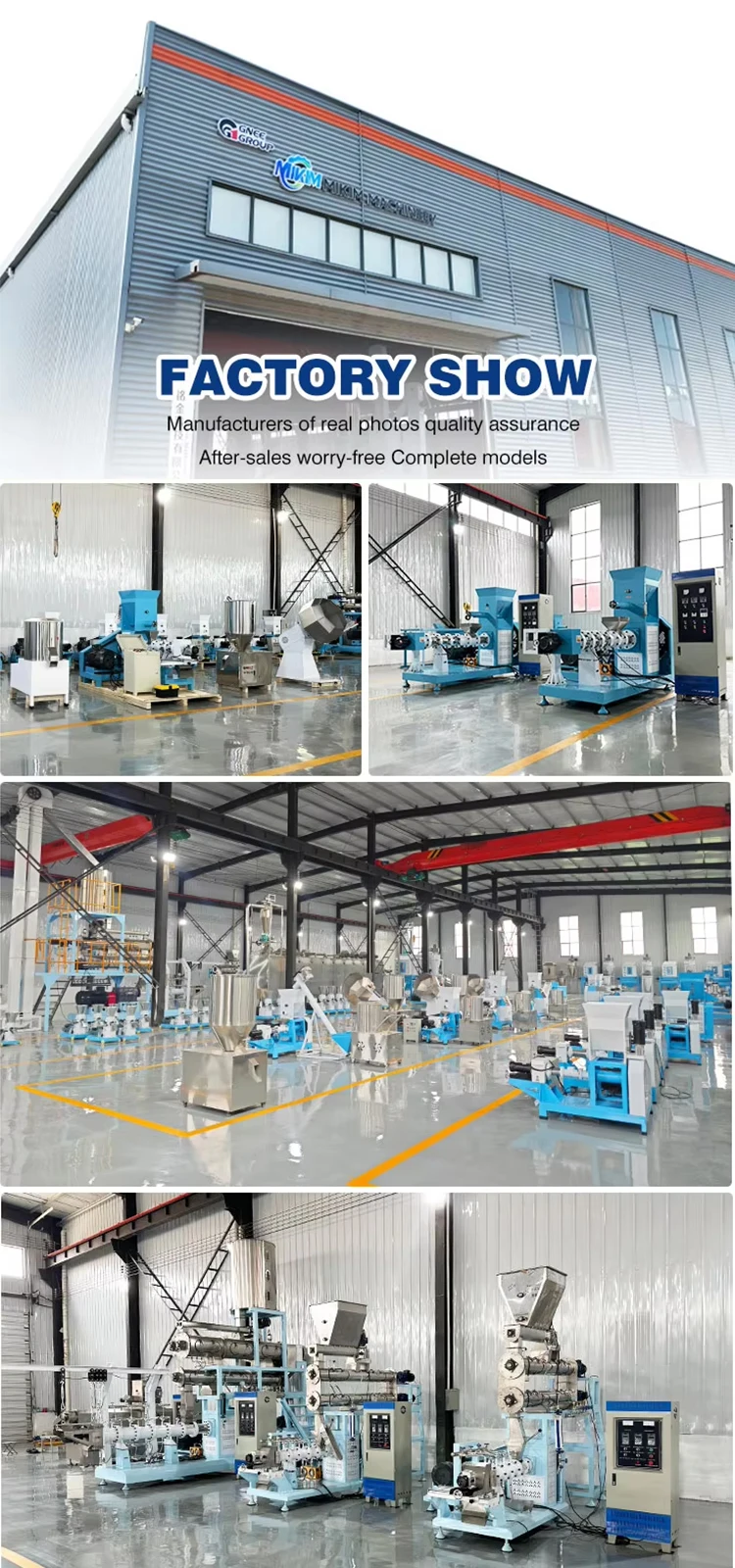
Why Real Factory Testing Helps Buyers
A real customer machine test helps verify:
Actual machine performance
Pellet floating quality
Production efficiency
Equipment reliability
Factory testing videos also improve customer trust because buyers can see real production conditions before ordering.
For independent websites, original testing content and real production cases can also improve Google indexing and AI search visibility by providing authentic industry experience and practical technical information.
Important Questions Before Buying
What Capacity Do You Need?
Mini machines are suitable for small-scale daily feed production.
Customers should estimate:
Fish farming quantity
Daily feed demand
Future expansion plans
What Pellet Size Is Required?
Different fish growth stages require different pellet diameters.
Do You Need Floating or Sinking Feed?
The machine settings and formulas can be adjusted according to feed type requirements.
Final Suggestion
Before purchasing a mini floating fish food extruder machine, customers should always request:
Real machine testing
Pellet sample inspection
Running videos
Technical parameter confirmation
A successful machine test helps buyers better understand production performance and reduces future operational risks.
Company Profile