
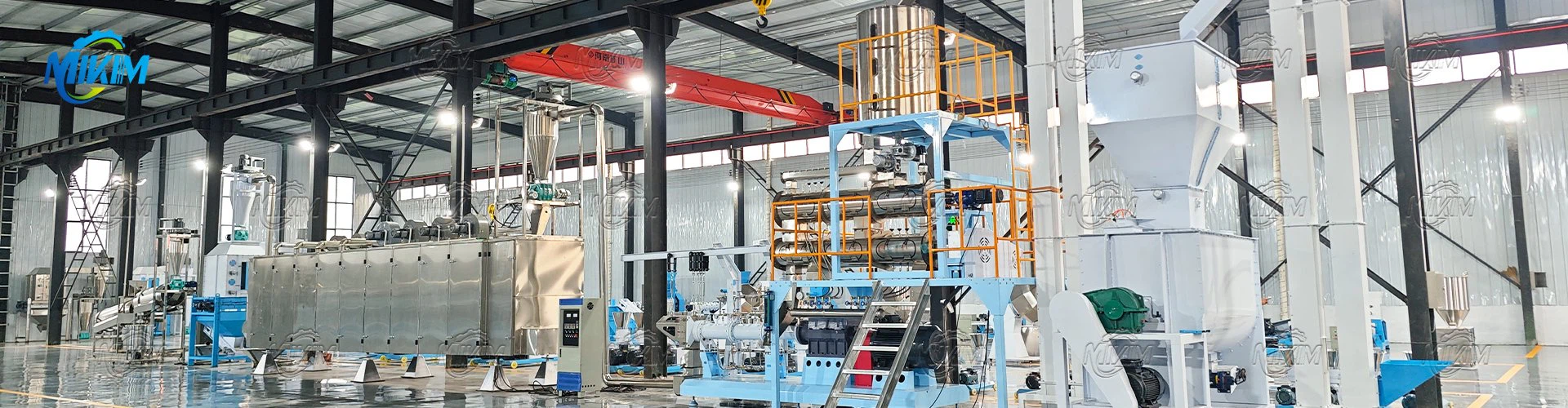
The main structure of the feed pellet machine includes a feeder, a regulator, a pelletizer and a lubrication system, which work together to ensure a smooth pelleting process. It is widely used in various farms and processing plants to improve feed utilization, reduce costs, and ensure feed quality and safety.
The pellets produced by the feed pellet machine are cooked, which is mainly due to its unique pelleting principle and well-designed mechanical structure. During the pelleting process, the feed pellet machine adjusts the motor speed through stepless speed regulation to achieve precise control of the material flow. At the same time, the mixing paddle and steam are used to mix and modulate the pellets to ensure that the powder is formed at a suitable temperature (64-84℃) and humidity (14-16%). This link not only makes the feed pellets more compact, but also retains the nutrients of the feed, which is beneficial to the digestion and absorption of animals.

| Model | Capacity | Power | Dimension | Weight |
| 125 | 80-100kg/h | 3kw | 110*35*70 cm | 95 kg |
| 150 | 120-150kg/h | 4kw | 115*35*80cm | 100 kg |
| 210 | 200-300kg/h | 7.5kw | 115*45*95cm | 300 kg |
| 260 | 500-600kg/h | 15kw | 138*46*100cm | 350 kg |
| 300 | 700-800kg/h | 22kw | 130*53*105cm | 600 kg |
The main structure of the feed pelletizer includes a feeder, a regulator, a pelletizer, and a lubrication system. These parts work together to ensure the smooth progress of the feed pelletizing process. The feeder is responsible for feeding the raw materials into the pelletizer evenly, the regulator adjusts the material flow according to production needs, the pelletizer completes the pelletizing process through a stirring paddle and steam mixing, and the lubrication system ensures the stable operation of the machine.
In terms of application areas, the feed pelletizer has a wide range of applicability. Whether it is large, medium or small aquaculture, or grain feed processing plants, livestock and poultry farms, or even individual farmers and small and medium-sized farms, they can all benefit from it. By using feed pelletizers, these industries can not only improve feed utilization and reduce breeding costs, but also ensure the quality and safety of feed, providing strong guarantees for the healthy growth of animals.