
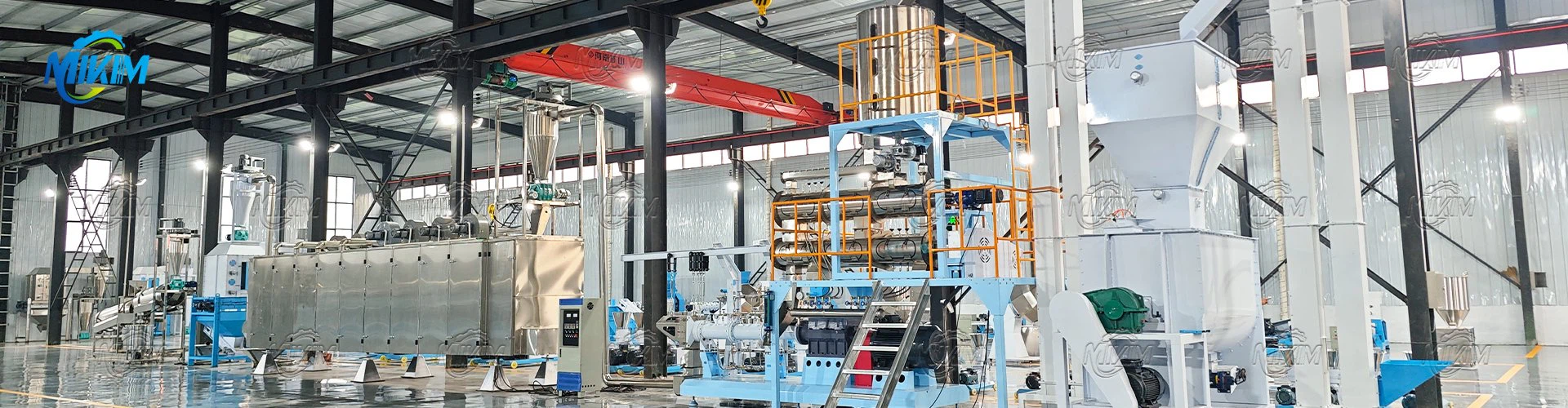
1. Regular equipment inspection
The maintenance of equipment mainly includes regular inspection and maintenance of equipment. Regular inspection of equipment can timely detect abnormal conditions of equipment and prevent small problems from becoming big problems. The maintenance of equipment is to make necessary repairs and replacements to ensure the normal operation of the equipment.
2. Timely replacement of worn parts
The wear of equipment is inevitable, but we can extend the service life of the equipment by replacing worn parts in time. In particular, some key wear parts, such as bearings, gears, etc., should be checked for wear and replaced in time.

|
Model |
Capacity |
Dimension |
Weight |
|
MK-125 |
80-100kg/h |
110*35*70 cm |
95 kg |
|
MK-150 |
120-150kg/h |
115*35*80cm |
100 kg |
|
MK-210 |
200-300kg/h |
115*45*95cm |
300 kg |
|
MK-260 |
500-600kg/h |
138*46*100cm |
350 kg |
|
MK-300 |
700-800kg/h |
130*53*105cm |
600 kg |
|
MK-360 |
900-1000kg/h |
160*67*150cm |
800 kg |
|
MK-400 |
1200-1500kg/h |
160*68*145cm |
1200 kg |
| 1.Used for making animal feed pellets
2.Used for making wood pellets as fuel 3.Raw material size need 3-5mm ; Humidity :10-12% |
|||
3. Do a good job of equipment cleaning
The cleaning of equipment can not only keep the appearance of the equipment clean and tidy, but also prevent the equipment from malfunctioning due to contamination. Therefore, during the use of the equipment, cleaning work should be carried out regularly.
Choosing suitable livestock and poultry pellet feed production equipment and doing a good job of equipment maintenance is the key to ensuring the efficiency and quality of pellet feed production. Only in this way can we be invincible in the fierce market competition.