
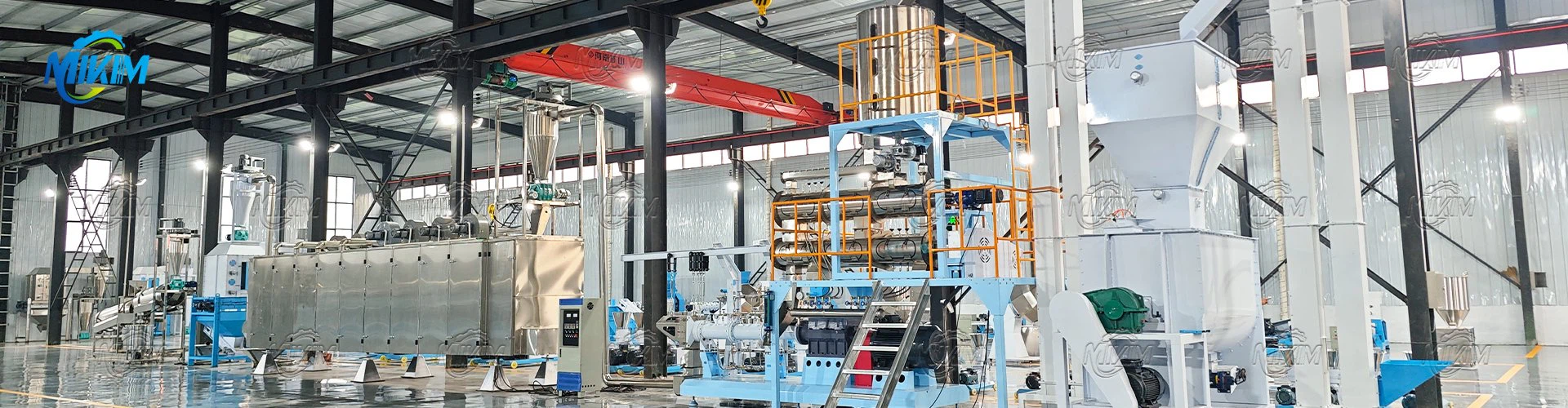
Before improving the efficiency of ruminant feed processing equipment, the first task is to clarify production needs. This includes determining key factors such as production scale, product type (concentrated feed or roughage), and raw material characteristics. For large-scale manufacturers, equipment with high automation and superior performance should be selected to meet the needs of efficient production; while small family farms can choose semi-automatic or manual equipment to reduce production costs.

| Model | Capacity | Power | Dimension | Weight |
| 125 | 80-100kg/h | 3kw | 110*35*70 cm | 95 kg |
| 150 | 120-150kg/h | 4kw | 115*35*80cm | 100 kg |
| 210 | 200-300kg/h | 7.5kw | 115*45*95cm | 300 kg |
| 260 | 500-600kg/h | 15kw | 138*46*100cm | 350 kg |
| 300 | 700-800kg/h | 22kw | 130*53*105cm | 600 kg |
| 360 | 900-1000kg/h | 22kw | 160*67*150cm | 800 kg |
| 400 | 1200-1500kg/h | 30kw | 160*68*145cm | 1200 kg |
In addition, attention should be paid to performance indicators such as equipment production capacity, processing speed, accuracy and stability. These indicators directly affect production efficiency and product quality, so comprehensive considerations should be made when selecting equipment to ensure that the selected equipment can meet actual production needs.
Optimize the process flow: Analyze each link of the ruminant feed production line, find bottlenecks and unnecessary links, and optimize the process flow. Reasonably arrange the sequence and time ratio of each process to make the entire production process more efficient.
Reasonable equipment configuration: According to production volume and production requirements, production equipment should be reasonably configured. By increasing the production capacity of equipment, reducing equipment failure rate and maintenance time, production efficiency can be improved.