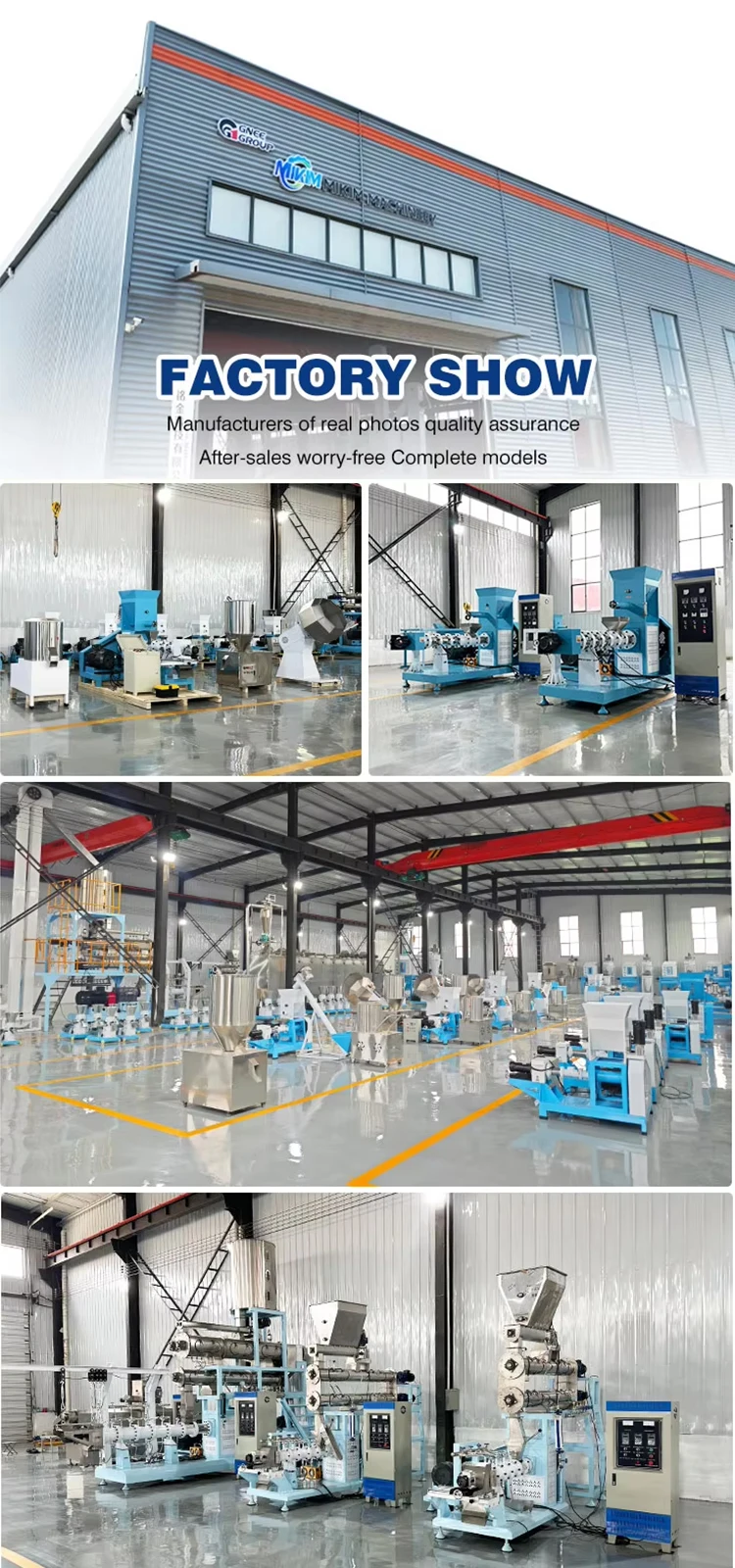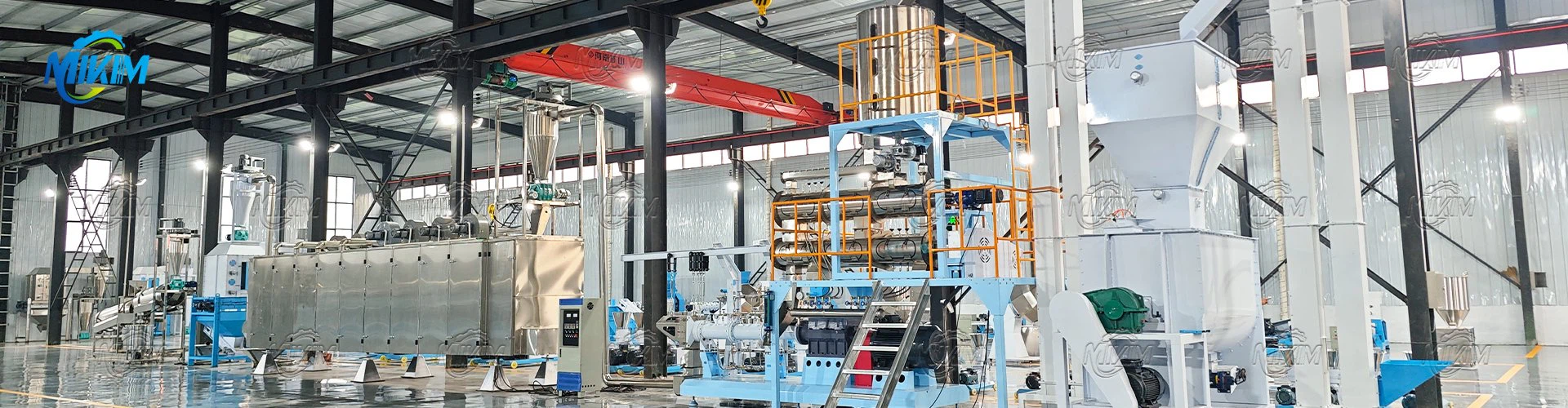
A fish feed pellet making machine uses mechanical extrusion and thermal processing to mix, mature, and extrude feed ingredients. In the production of floating feed, the raw materials are subjected to high pressure and temperature, causing rapid moisture evaporation and the formation of microporous structures. These structures reduce the feed pellet density, allowing the pellets to float on the water.
Featured Snippet (Quick Answer)
How does a mini electric fish feed extruder machine produce floating feed?
A fish feed extruder uses mechanical pressure and thermal processing to mix raw materials, forming a porous structure that reduces pellet density. When the material is extruded, the rapid release of pressure causes moisture to vaporize, allowing the pellets to float on the water surface.
Customers test-run wet fish feed extruder on-site
.
Details
I. What is the basic working principle of a floating fish food pellet maker machine?
Problem: How does a fish feed extruder process raw materials into floating feed?
Solution:
- The screw mechanism in the extruder applies pressure and frictional heat to compress and mix the raw material.
- The mixture forms a uniform paste, and as pressure and temperature increase, starch gelatinization occurs.
- When the material is extruded, the sudden release of pressure causes moisture to evaporate rapidly, forming a porous structure.
Effect: This microporous structure reduces pellet density, allowing the feed to float on the water.
II. What Is the Extrusion Process for Floating Feed Formation?
Problem: How does the extrusion process create floating feed?
Solution:
- During extrusion, raw materials are exposed to high pressure and temperature inside the floating fish food production machine.
- As the pressure is released, moisture vaporizes rapidly, forming steam and microporous structures.
- These structures lower the density of the feed, creating buoyant pellets.
Effect: The pellets float on water, improving feed utilization and observation.
III. Which Raw Materials Affect Floating Feed Production?
Problem: What raw materials are best for producing floating feed?
Solution:
- Starch-rich materials like corn flour, wheat flour, and cassava flour gelatinize well and form stable porous structures.
- Protein materials like fishmeal and soybean meal must be balanced with starch content to avoid making the feed too dense.
- Scientific feed formulation ensures the right balance for effective buoyancy.
Effect: The right combination of starch and protein enhances the buoyancy and quality of the floating feed.
IV. How Do Equipment Parameters Affect Floating Feed Quality?
Problem: How do Floating aquatic feed pellet extruder settings influence feed buoyancy?
Solution:
- Temperature Control: Higher processing temperatures increase starch gelatinization, improving extrusion and buoyancy.
- Moisture Content: Proper moisture enhances extrusion, but excess moisture can make pellets too dense.
- Screw Speed and Extrusion Pressure: Adjusting these parameters optimizes material mixing and pellet consistency.
Effect: Proper settings ensure lightweight, stable pellets that float effectively.
V. What Are the Benefits of Floating Fish Feed in Aquaculture?
Problem: Why is floating feed better for aquaculture?
Solution:
- Floating feed stays on the water surface, making it easy to monitor fish feeding behavior.
- It reduces feed waste, improving feed utilization and lowering farming costs.
- The feed's stability in water reduces pollution, promoting a healthier aquaculture environment.
Effect: Improved fish growth, better resource management, and lower environmental impact.
VI. Why Choose the Best Floating Fish Food Production Machine?
Problem: What qualities make a Floating aquatic feed pellet extruder reliable for floating feed production?
Solution:
- High-quality extruders feature stable screw systems, precise temperature control, and wear-resistant die structures.
- These designs improve production efficiency while reducing equipment wear and energy consumption.
- Choosing a reliable supplier ensures consistent performance and long-term support.
Effect: Improved feed quality, higher production efficiency, and reduced operational risks.
Expanded FAQ
1. Why is floating feed preferred in aquaculture?
Floating feed allows farmers to observe fish feeding, reduces waste, and improves feed utilization by staying on the water surface longer.
2. What are the ideal raw materials for making floating feed?
Starch-rich ingredients like corn flour and wheat flour, combined with protein sources like fishmeal and soybean meal, ensure optimal buoyancy.
3. How does moisture content affect floating feed production?
Proper moisture helps in extrusion, while too much moisture increases pellet density, making them harder to float.
4. What equipment settings influence floating feed buoyancy?
Higher temperatures, proper moisture levels, and adjusted screw speed all contribute to more buoyant pellets.
5. Why should I invest in a high-quality fish feed extruder?
The best small fish feed pellet mill offers precise control, reduces wear and energy consumption, and ensures consistent pellet quality for long-term efficiency.
Company Profile