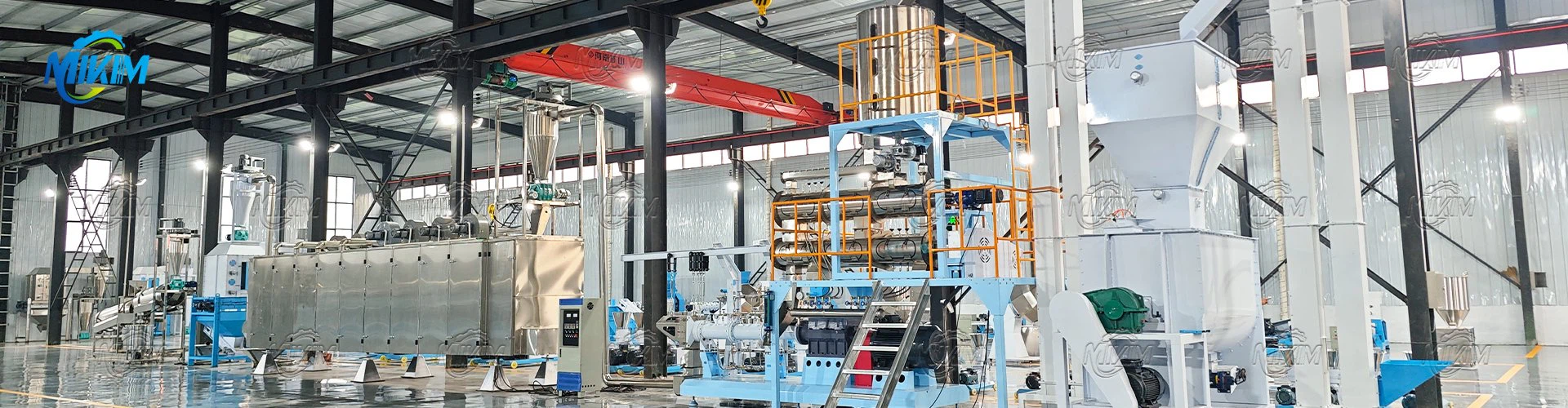

Why Global Feed Manufacturers Are Switching to Twin-Screw Technology
As aquaculture moves toward high-intensity farming, traditional single-screw extruders often fail to meet the demand for high-protein, high-fat, and water-stable feed. The Twin screw fish feed making machine has emerged as the industry gold standard. Below, we break down the nine critical advantages that make this machine a superior investment for commercial feed production.
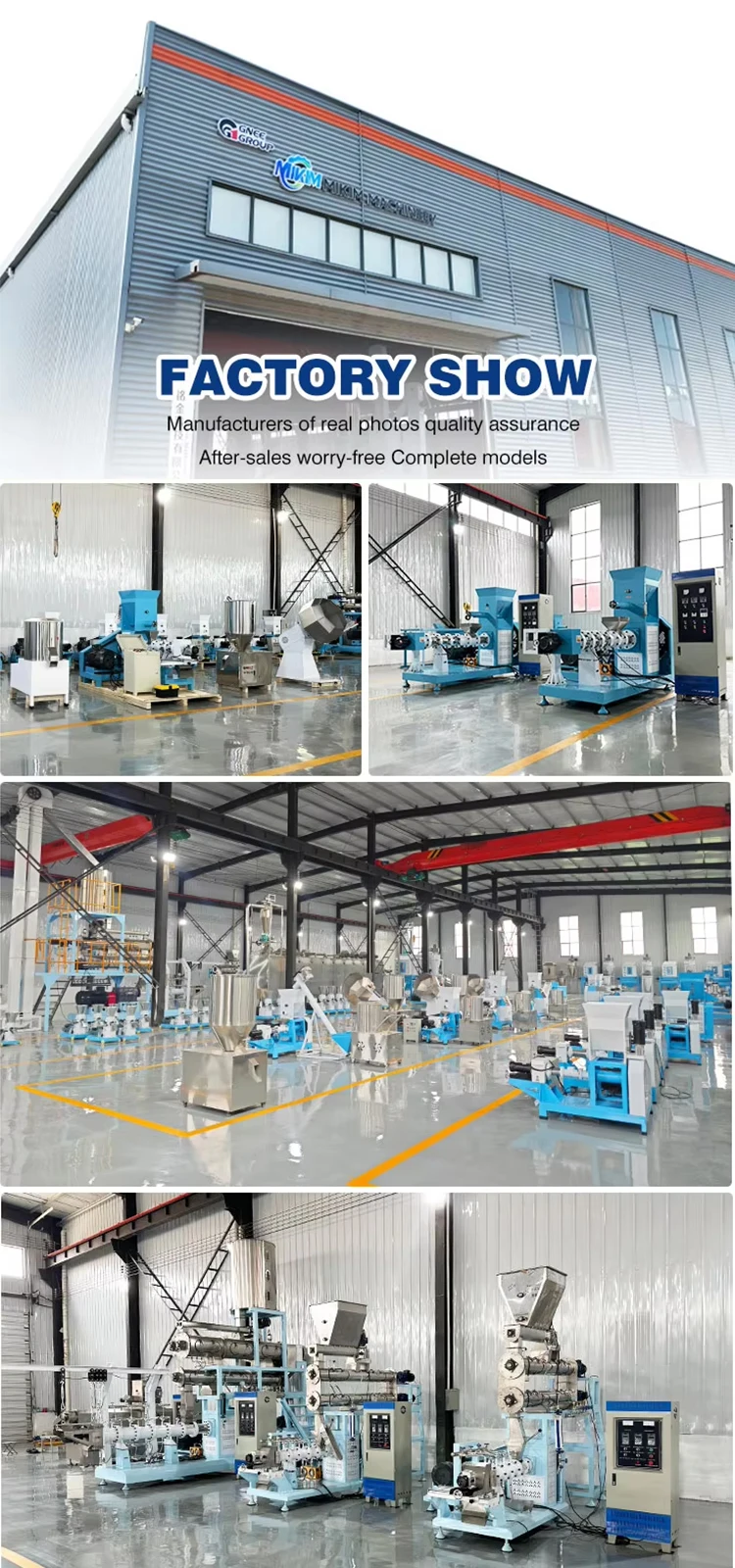
Twin-Screw Floating Fish Feed Pellet Extruder Machine in Factory
1. Unmatched Formula Adaptability (High Protein & Fat)
Unlike single-screw machines that struggle with "slippage" when fat or moisture levels rise, twin-screw extruders use positive displacement to move material.
- High Fat Injection: Can process formulas with 12%–18% oil content without losing extrusion stability.
- Sticky Ingredients: Easily handles high-protein fish meal and sticky binders that would clog lesser machines.
2. Superior Mixing and Homogenization
The two intermeshing screws create high-intensity mechanical shearing. This ensures that micro-ingredients (vitamins, minerals, and enzymes) are distributed 100% uniformly throughout the dough, ensuring every pellet has the same nutritional value.
3. Self-Cleaning Mechanism (Less Downtime)
One of the most significant operational advantages is the self-cleaning function. As the screws rotate, they wipe the flighting of the opposing screw.
Benefit: This prevents material buildup and carbonization, significantly reducing the time required for teardown and cleaning during formula changes.
4. Precise Control Over Pellet Buoyancy (Floating vs. Sinking)
Twin-screw technology allows for much finer control over the Expansion Ratio.
- Floating Feed: Achieves a 98%+ floating rate for surface feeders like Tilapia.
- Sinking/Slow-Sinking Feed: By adjusting the screw configuration and vacuum degasification, you can produce high-density sinking pellets for Shrimp and Crab with the same machine.
5. Improved Feed Conversion Ratio (FCR)
The high-temperature, short-time (HTST) process in a twin-screw barrel maximizes Starch Gelatinization (often exceeding 90%).
The Result: Feed that is easier for fish to digest, meaning faster growth cycles and less wasted feed at the bottom of the pond.
Technical Comparison: Twin screw fish feed extruder machine vs. single screw floating fish feed machine
| Feature | Twin-Screw Extruder | Single-Screw Extruder |
| Pumping Efficiency | Stable (Positive Displacement) | Dependent on Friction (Variable) |
| Material Range | Wide (High protein/fat/moisture) | Narrow (High starch required) |
| Energy Efficiency | Higher (Less energy lost to heat) | Lower |
| Pellet Uniformity | High (Precise diameter & length) | Moderate (Higher powder rate) |
| Maintenance | Low (Self-cleaning) | High (Manual cleaning required) |
6. Enhanced Water Stability
Aquatic feed must stay intact in water for hours to prevent pollution. Twin-screw extrusion creates a stronger protein-lipid-starch matrix. This results in pellets that can remain stable in water for 12–24 hours without disintegrating.
7. Increased Production Automation
Modern twin-screw systems are equipped with PLC touchscreens, allowing operators to save "recipes." With one click, the machine adjusts the screw speed, feeding rate, and temperature zones, ensuring that every batch of feed is identical to the last.
8. Lower Long-Term Operational Costs
While the initial purchase price is higher, the cost per ton of produced feed is often lower because:
- Fewer blockages mean less wasted raw material.
- Higher throughput with the same power consumption.
- Modular screw parts mean you only replace worn segments, not the whole screw.
9. Market Competitiveness (Premium Pellet Quality)
The pellets produced by a twin-screw extruder have a smoother surface, uniform size, and zero dust. In a competitive market, feed appearance is a sign of quality that helps manufacturers command a premium price.
Ideal Applications for Twin-Screw Extruders
- Commercial Fish Feed Plants: Producing over 1 ton per hour.
- Specialty Shrimp Feed: Requiring high water stability and sinking properties.
- Premium Pet Food: Requiring high-fat content and complex shapes.
- Experimental Research: Where precise control over feed density is required.
FAQ:
Q: Is a Twin screw floating fish feed production machine worth the higher price?
A: If you are producing high-value feed (like salmon, shrimp, or ornamental fish), the reduction in feed waste and the ability to use cheaper, complex raw materials usually result in a ROI (Return on Investment) within 12-18 months.
Q: Can I use it for "fry feed" (small pellets)?
A: Yes. Twin-screw extruders are highly effective at producing micro-pellets (0.5mm - 1.2mm) with high precision, which is difficult for single-screw machines.
Q: Does it require high power consumption?
A: While the motor is powerful, the efficiency of material transport means it often uses less energy per kilogram of feed compared to single-screw machines that rely on internal friction.
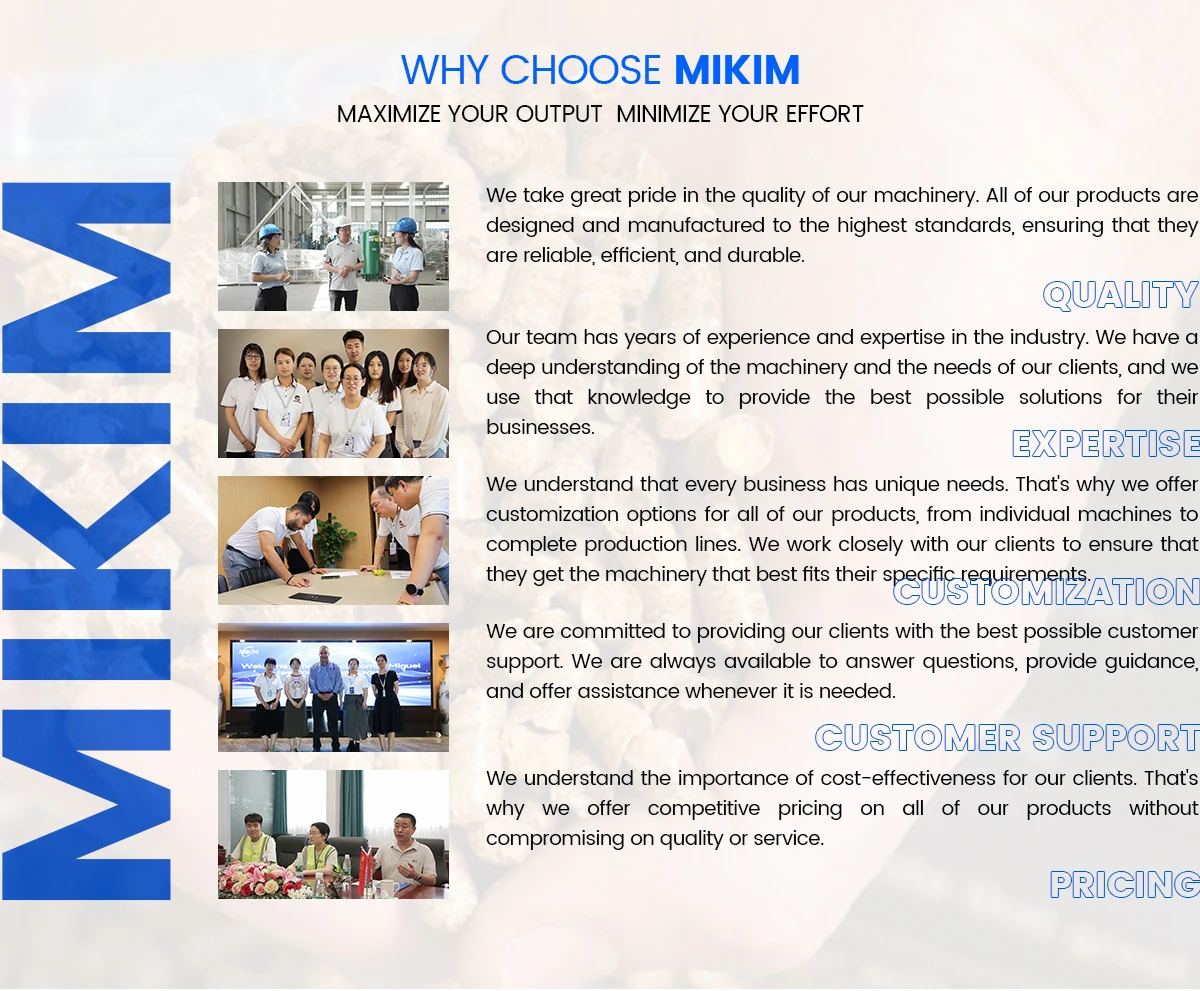
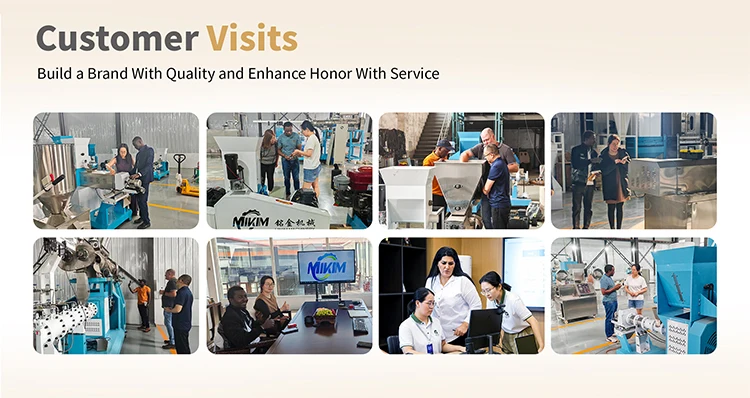
Company Profile