
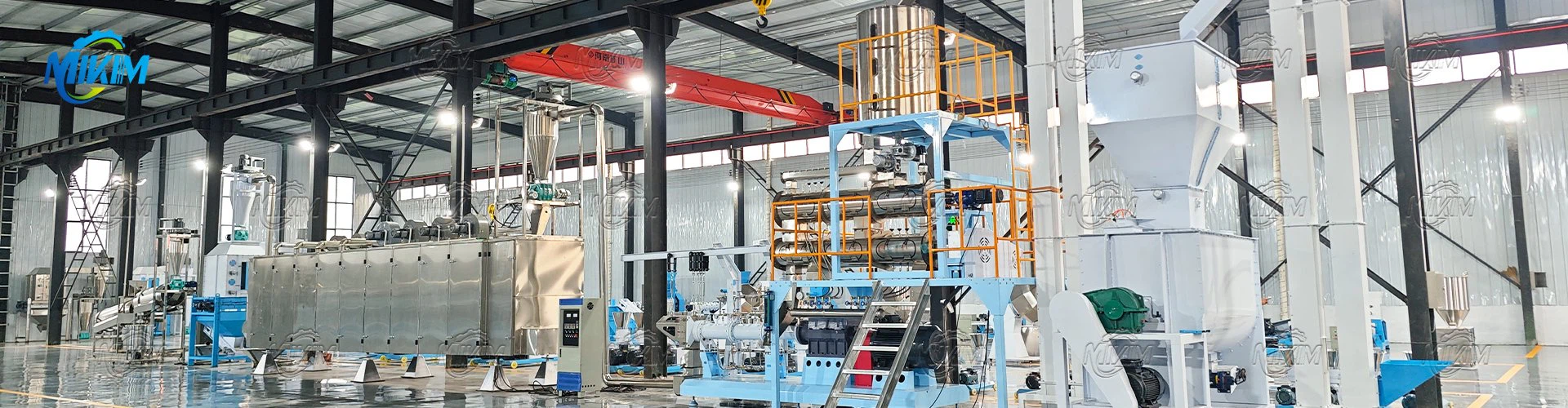
Biomass pellet fuel is a new type of environmentally friendly clean fuel produced by processing straw, rice straw, rice husk, peanut shell, corn cob, oil tea shell, cotton seed shell and other "three leftovers" in cylindrical form. After processing, biomass pellets have high density, regular shape and high purity, and are more stable in terms of heat conduction, thermal stability and thermal expansion during combustion.

Biomass pellet fuel is used in home and industry, and can replace gas, gas and briquettes in home use and coal in industry, but in some aspects, coal still cannot be completely replaced. The burning process of biomass pellet fuel is generally accompanied by an increase in flame and temperature and the release of heat, as well as the invisible emission of combustion gases such as sulfur dioxide. However, compared to coal, the number and concentration of gases emitted during combustion are reduced, and to a greater extent, this environmentally friendly, non-polluting, clean fuel is able to achieve the heat required by coal and other daily needs, and can completely replace the need for coal.