
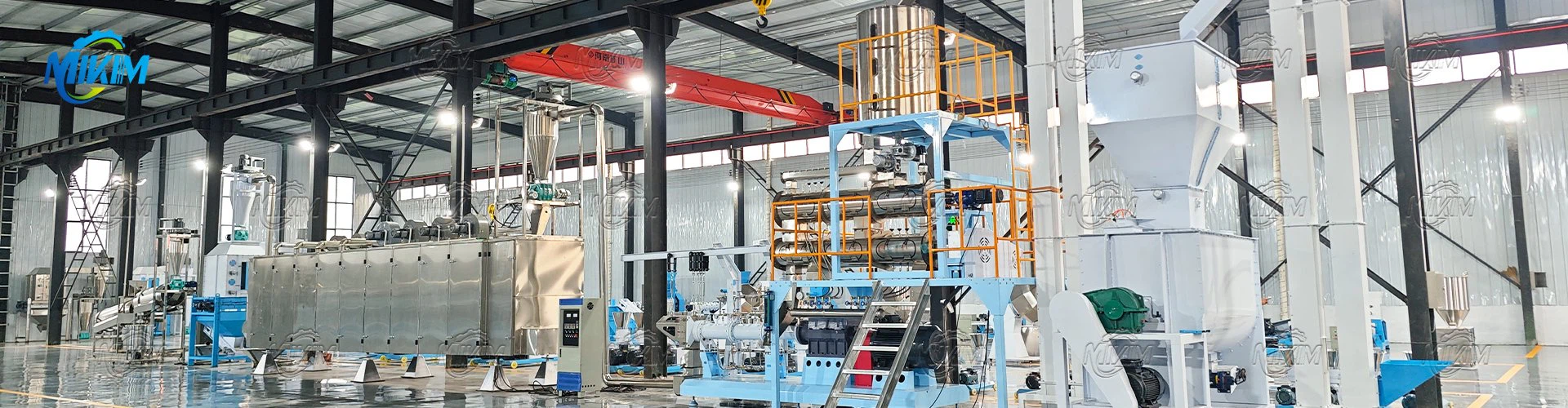
Mikim's feed pellet mill uses corn, soybean meal, straw, rice husk, grass, which are organic materials, as raw materials, and directly crushed and processed to produce pellets suitable for chicken consumption. The processed and formed pellets have a smooth surface, high hardness and internal maturation, which improves the digestion and absorption of nutrients. The pellet formation process can make the pancreatic enzyme resistance factor in cereals and legumes denatured, reducing the adverse effects on digestion, killing various parasitic eggs and other pathogenic microorganisms, reducing various worm and digestive system diseases. Compared with mixed powder feed, it can obtain higher economic benefits.
Under the action of high temperature and high pressure of feed pellet mill, the feed produces rich paste flavor, which is very suitable for chickens' pecking characteristics. That is, the palatability of the feed is improved, easy to eat, and the nutrient absorption conversion rate is increased by 30%. It is non-toxic and sterile, which reduces the occurrence of chicken diseases. And the produced feed is easy to store and transport for a long time.
In addition, according to experience, each 100 kg of pellet feed can produce 2 kg of meat more than powder, and can shorten the feed period of high-quality broilers by 2 days. The advantages of pellet feed are that it increases the feeding speed of quality broilers, improves the feeding volume, reduces the energy consumption of feeding action, increases the weight gain rate of quality broilers and improves the feed conversion rate. The reason for improving the feed conversion rate is that the steam treatment and mechanical action in the pelleting process destroy the cell biscuit of the grain cells, thus releasing the rich proteins, fats, digestible carbohydrates and other effective components in the cells, which are easily digested, absorbed and utilized by animals. Certain harmful and growth-inhibiting factors in the feed will also be destroyed by the thermal action of the pelleting process.
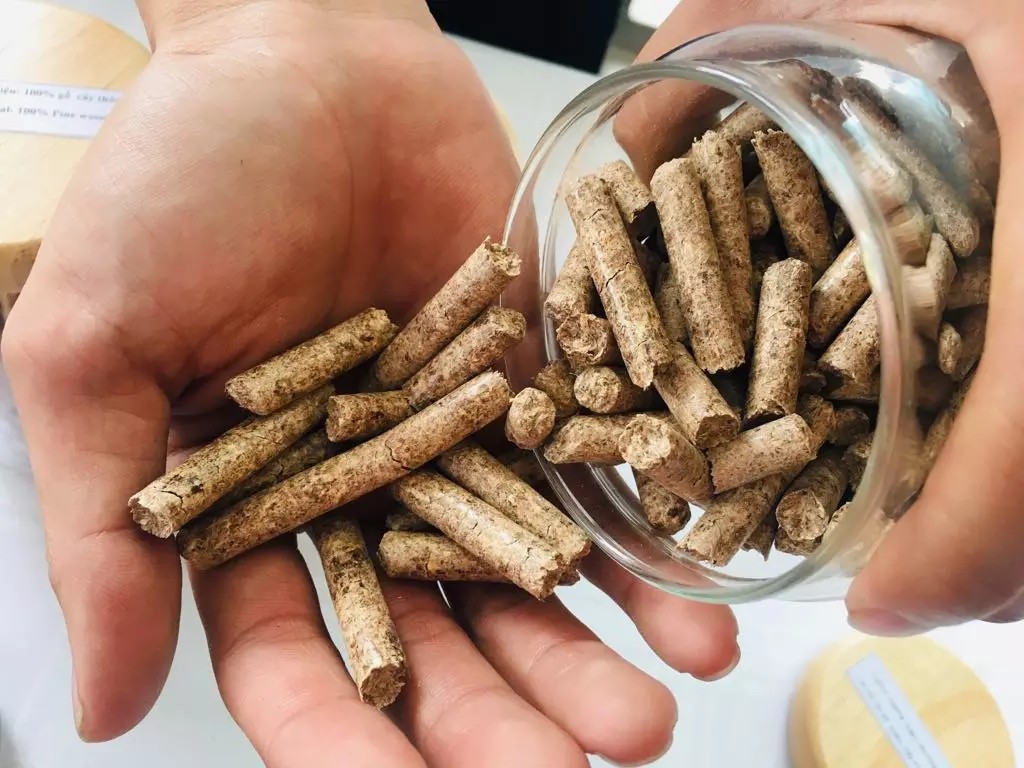
The pelleted feed on the market is often sold at a more expensive price than the powdered feed. According to the minimum cost of breeding, a chicken feed pellet mill is an economical and cost-saving way of input.