
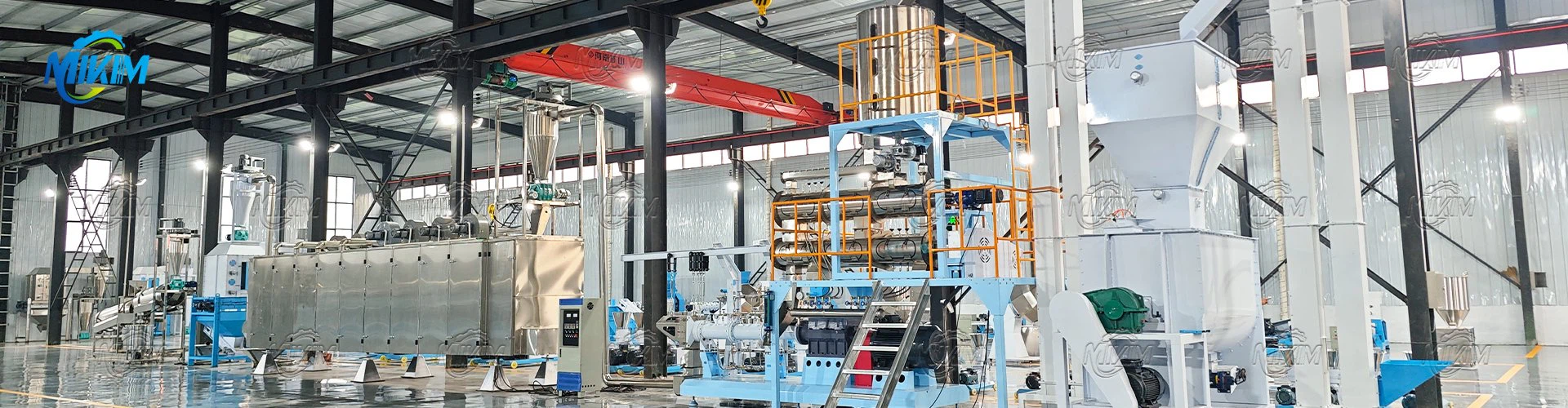
The most prominent nutritional advantage of small pet food extruder machines lies in the precise control of starch gelatinization and protein denaturation.
content
In traditional cooking processes, starch gelatinization only reaches 50%-60%. Incompletely gelatinized starch is difficult for digestive enzymes to break down in a pet's intestines, easily leading to diarrhea or nutrient waste. However, pet food processing machines, operating at high temperatures of 120-160℃ and high pressures of 3-8MPa, can increase starch gelatinization to over 85%. The gelatinized starch molecules have a looser structure, directly increasing the pet's digestibility and absorption rate by 20%-30%, making it especially suitable for puppies and senior dogs with weaker digestive systems.
The optimized processing of proteins also highlights the value of extruders. After processing, proteins such as meat meal and fish meal in raw materials undergo moderate denaturation, opening up their spatial structure and making them easier to bind with proteases in the pet's digestive tract. Protein utilization increases from around 65% in traditional processes to over 80%. Meanwhile, the extrusion process destroys anti-nutritional factors in raw materials, such as trypsin inhibitors in soybeans. These substances hinder protein absorption, and the high temperature of the extruder can inactivate them by up to 98%, further improving nutrient conversion efficiency.
The retention of heat-sensitive nutrients such as vitamins is another major breakthrough of extruders. Traditional high-temperature processing often results in the loss of more than half of vitamin E and B vitamins. However, modern pet food extruders use a "short-time high-temperature" process, where the raw materials are subjected to high temperatures in the extrusion chamber for only 10-20 seconds. Combined with a precise temperature control system, the retention rate of heat-sensitive vitamins can be increased to over 70%. Some high-end pet food extruder machines are also equipped with a post-coating device, adding vitamins, probiotics, etc., to the surface of the feed after extrusion and cooling, completely avoiding the destruction of active ingredients by high temperatures.
For producers, the nutritional optimization capabilities of the best dog food pellet maker directly translate into product competitiveness. Feed processed by extruders results in better nutrient absorption, leading to a 15%-20% reduction in pet feces, shinier coats, and stronger physiques, significantly improving consumer reputation. Whether it's small workshops producing homemade pet food or large enterprises building high-end product lines, the nutritional advantages of extruders are a core support for enhancing product value.
Related equipment


about Us
Customer visit

Certificate of Honor

FAQ
1. What is the price of the dog food pellet maker?
The price ranges from approximately $1,500-$55,000
2. Do you provide maintenance services for your customers?
Yes, we offer comprehensive after-sales maintenance services to our customers.
If you would like to learn more about MIKIM machinery, please contact us. We offer one-stop service and welcome your inquiries!!!