


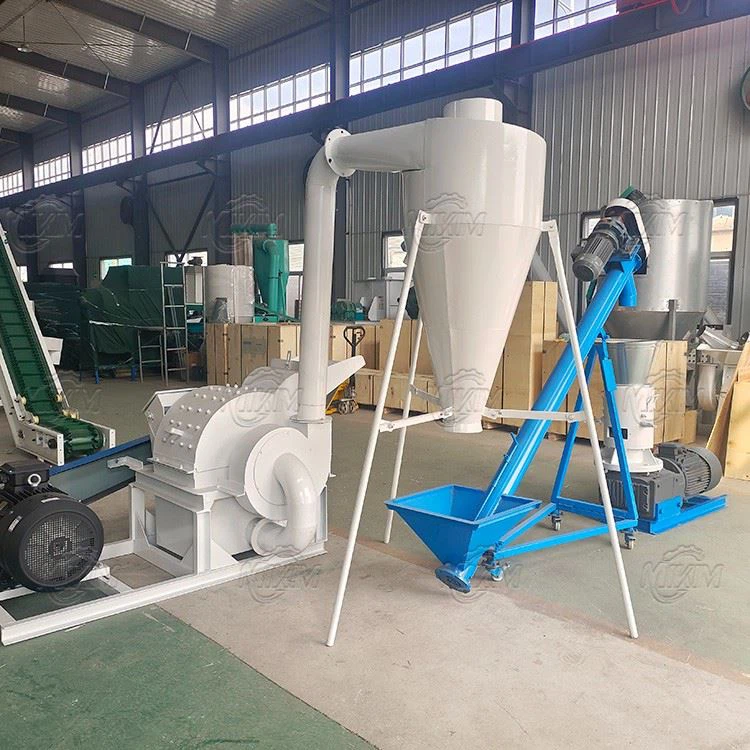

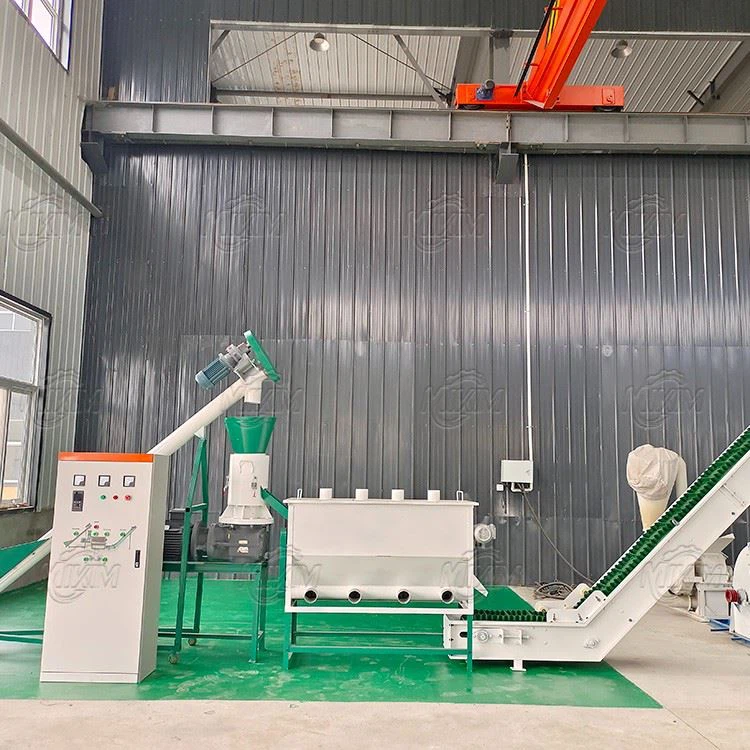

300–500 Kg/h Biomass Wood Pellet Production Line
Power Consumption: 30 – 95 kW (depending on configuration)
Power Requirements: 380V/50Hz, 3-phase power.
Pellet Diameter: 6mm, 8mm, 10mm (Adjustable)
Raw Material Moisture: 12% - 18% (Optimal)
Floor Space Required: 60 - 100 m²
Operator Required: 1 - 2 Persons
MOQ: 1 set
Price: $4,500 – $20,500
Payment Terms: L/C, D/A, D/P, Western Union
Delivery Time: 30–45 working days
Standard Packaging: The main electrical control cabinet is packed in an export-standard wooden crate, while the remaining equipment is soft-packed with protective cotton cloth.
Send Inquiry
Product Details of300–500 Kg/h Biomass Wood Pellet Production Line
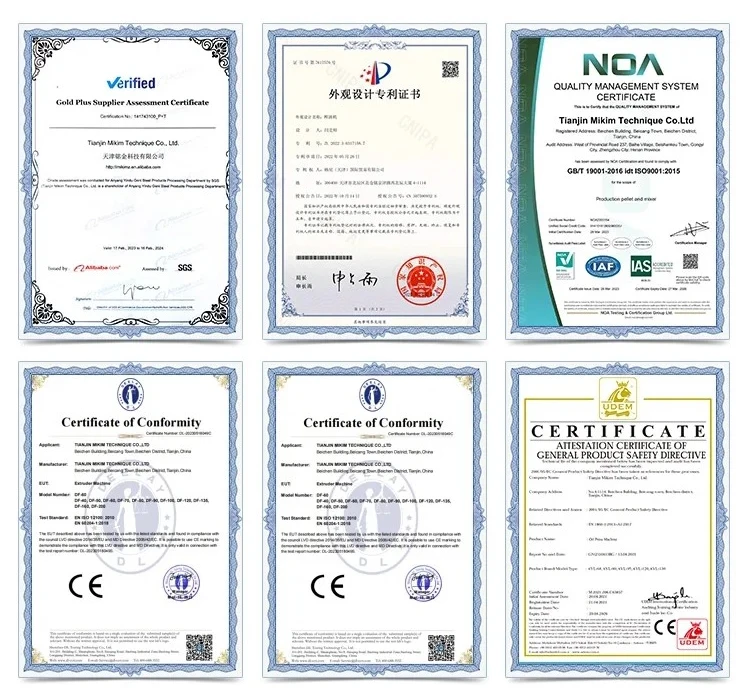
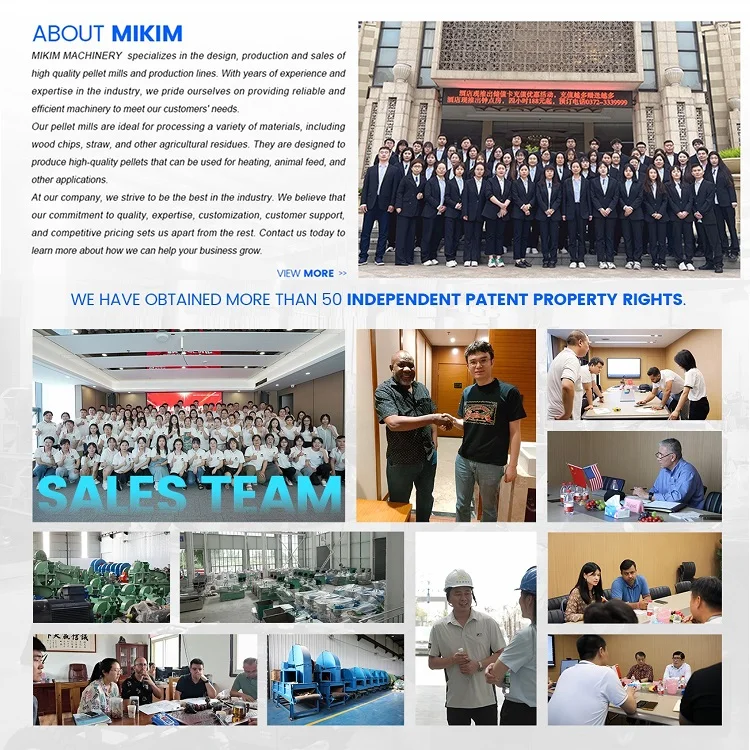
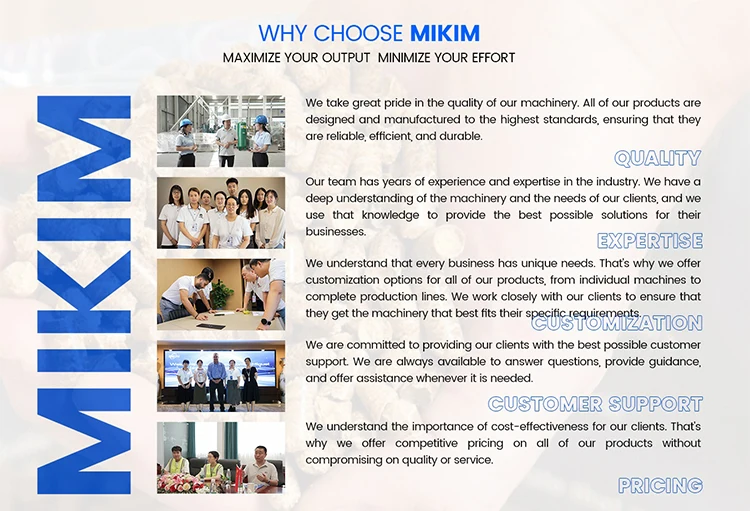
Tianjin Mikim Technique Co., Ltd. is one of the most experienced manufacturers and suppliers of 300–500 kg/h biomass wood pellet production line in China. If you're going to buy cheap 300–500 kg/h biomass wood pellet production line made in China, welcome to get more information from our factory. All our products are with high quality and low price.
300-500kg/h Small wood pellet production line
● Four Sections:Hammer Mill--Pelletizing--Cooling--Packing
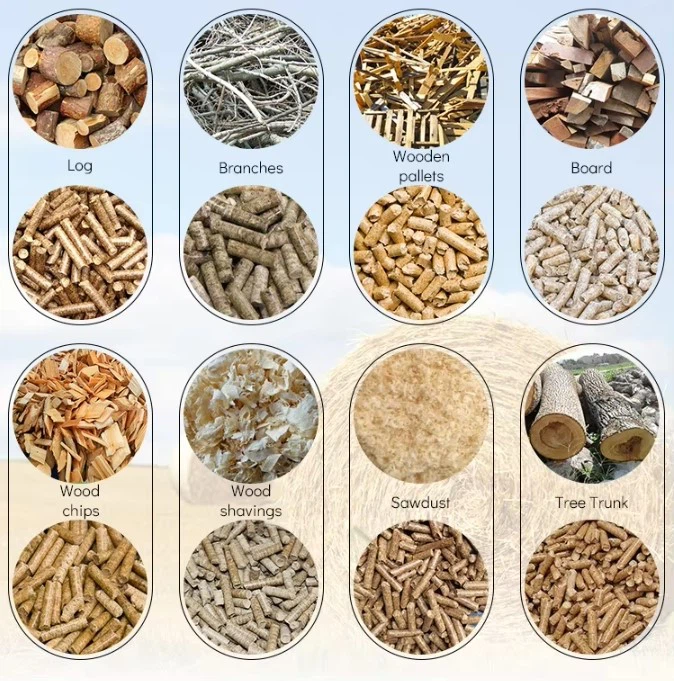
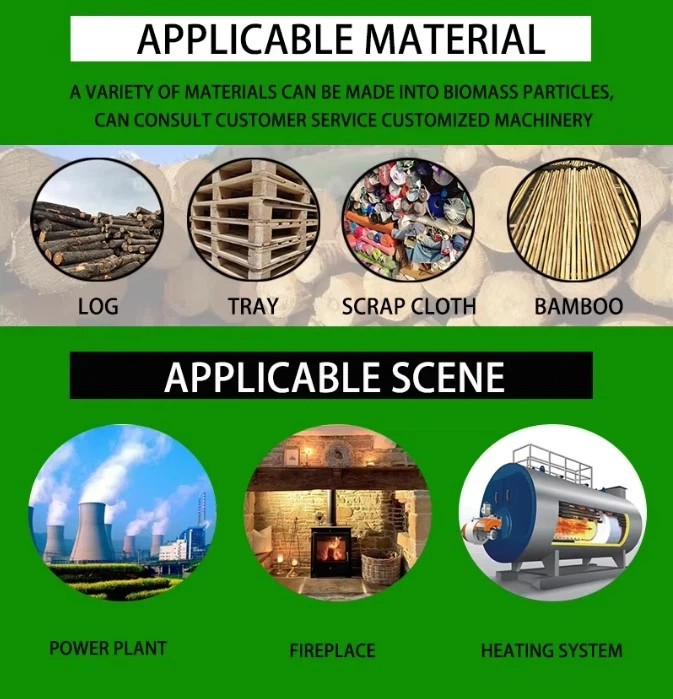
● There are a wide range of raw materials suitable for biomass particles, including the following categories:
Forestry: such as eucalyptus, pine, birch, poplar, Malacca and wood bark branche, etc.
Agricultural wastes: corn straw, wheat straw, peanut husk, rice husk, bamboo, etc.
Waste wood: furniture factory waste materials, waste pallets, sheets, shavings, sanding powder, etc.
300-500kg/h Small flat-die Biofuel Sawdust Pellet production line
I am interested in this product
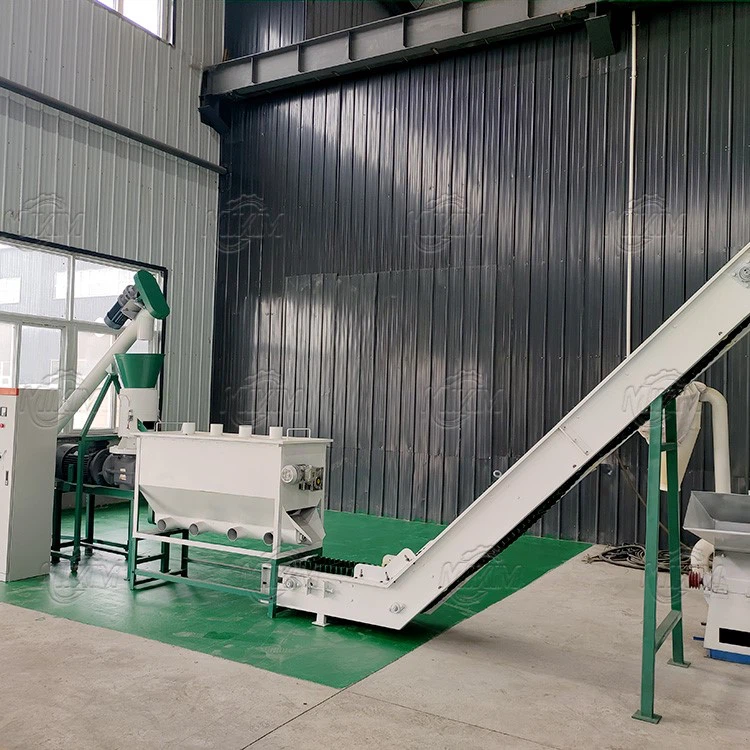
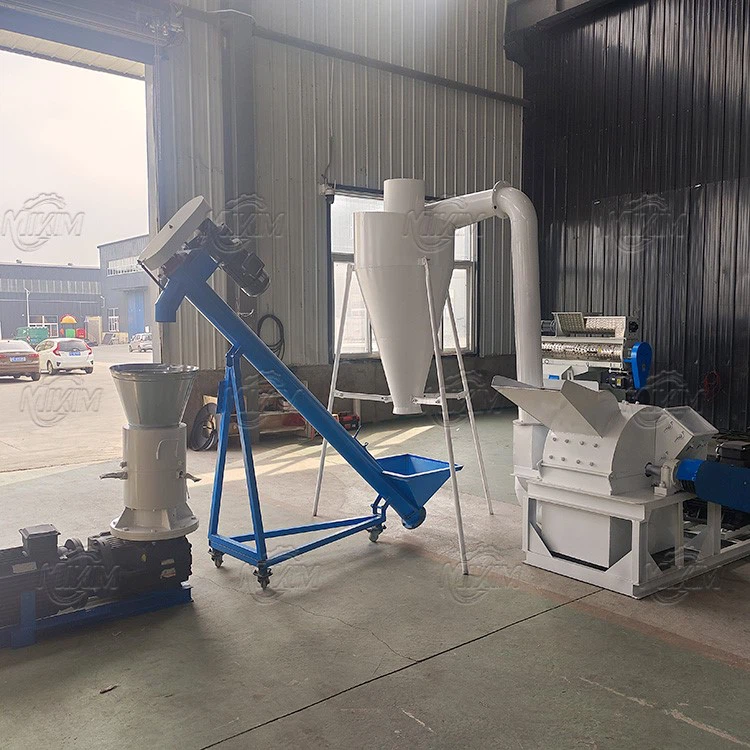

Wood Pellet Fuel Production Line Flowchart

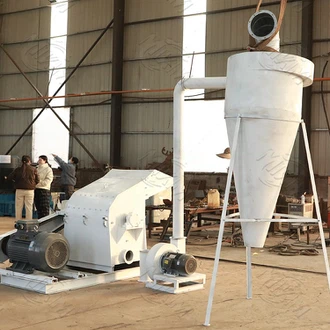
1. Wood Chipper and Grinder Machine
The Integrated Wood Chipper and Grinder is engineered for high-efficiency biomass reduction, combining primary chipping and fine grinding into one compact system. It is a highly adaptable solution for processing diverse raw materials, including:
- Agricultural Waste: Corn cobs, soybean stalks, peanut shells, and grasses.
- Woody Biomass: Tree branches, logs, and timber scraps.
This dual-functionality makes it an essential tool for biomass fuel production, animal feed processing, and organic fertilizer plants.
Advanced Working Principle
To ensure a uniform output, the machine utilizes a triple-action crushing mechanism:
- Cutting & Shearing: High-speed blades perform the initial breakdown of bulky wood.
- Hammer Impact: Secondary heavy-duty hammers pulverize the material through high-frequency collision.
- Precision Sieving: An interchangeable screen mesh allows users to customize the final particle size (granulometry) according to specific production requirements.
Technical Advantages
- High Durability: Key components are forged from high-strength, heat-treated alloy steel, ensuring a long service life even under heavy industrial loads.
- Energy Efficiency: The dynamically balanced rotor system maximizes impact force while reducing vibration and energy consumption.
- Operational Safety: The fully enclosed structure prevents dust leakage, while the "Quick-Access" design allows for rapid screen replacement and easy maintenance.
Product Specifications:
| Model | Power | Output | Weight | Dimensions | Screen Mesh Size | Number of Hammers |
| MGDP 500 | 22 kW | 500–800 kg/h | 700kg | 700 kg 2200 × 1300 × 1450 mm | 3/4/5/6/8 mm | 18 |
Detail Images:
|
|
|
| hammer crusher | Grain hammer mill |
 |
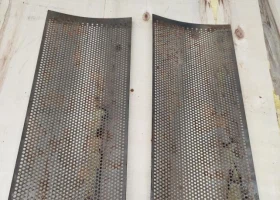 |
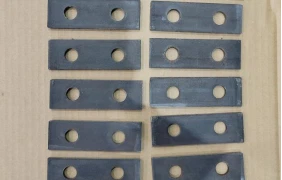
| Hammer Flail (Manganese Steel; Tungsten-Enriched for Extended Service Life) | 4 mm Thick Wear-Resistant Sieve Screen |

2. Airflow Dryer
The Airflow Dryer, also known as a Flash Dryer or Pneumatic Dryer, is an essential industrial solution for the rapid moisture reduction of loose, lightweight, and granular materials. By utilizing high-velocity hot air (flash evaporation), this system is specifically optimized for:
- Bio-Materials: Sawdust, wood powder, and wood chips.
- Agricultural Residues: Rice husks, ground straw, and crushed stalks.
- Feed & Food: Specialized feed ingredients and non-sticky agricultural powders.
How Flash Drying Technology Works
The machine employs a co-current drying process, where raw materials and high-temperature air are introduced into the drying pipe simultaneously. As the material is suspended in the high-speed pulse airflow, it creates a high heat transfer coefficient, allowing moisture to evaporate in seconds. This rapid "flash" process ensures the material moves through the system quickly, preventing thermal degradation.
Core Advantages for Your Production Line
- Extreme Thermal Efficiency: The intense turbulence within the pulse piping maximizes the contact surface between the hot air and the material, significantly reducing energy consumption compared to traditional rotary dryers.
- Compact & Space-Saving Design: Unlike bulky drying cylinders, the pipeline structure of the airflow dryer can be arranged vertically or horizontally, offering a small footprint and flexible installation in tight factory spaces.
- Consistent Output Quality: Due to the extremely short residence time (retention time), the material's original color, nutrients, and physical properties are preserved, making it ideal for heat-sensitive biomass products.
- Continuous Automated Workflow: Designed for industrial scaling, the system supports seamless integration between the feeding unit and the cyclone separator for non-stop, automated production.
Detail Images:
|
|
 |

Product Specifications
|
Product |
wood sawdust hot rotary Airflow pipe dryer CE approved drying machine price biomass dryer | |||
|
Model |
HG- 219 |
HG - 300 |
HG - 350 |
HG - 400 |
|
Initial Moisture |
25%-40% |
25%-40% |
20%-40% |
20%-40% |
|
Final Moisture |
10%-15% |
10%-15% |
10%-15% |
10%-15% |
|
Main Power |
4 kw |
7.5 kw |
11 kw |
15 kw |
|
Drying Speed |
200-250 kg/h |
300-400 kg/h |
600-800 kg/h |
800-1000kg/h |
|
Pipe Diameter |
260mm |
300mm |
350mm |
400mm |
|
Cyclone Diameter |
780mm |
900mm |
1050mm |
1200mm |
|
Fuel Consumption |
40-50kg/h |
60-80kg/h |
80-100kg/h |
100-150kg/h |
|
Dimension |
9*2.5*3.1 m |
16*2.5*3.2 m |
18*3*3.3 m |
20*3*3.5 m |
|
Weight |
1760 kg |
2660 kg |
3200 kg |
4000 kg |
3.Vertical Type Bucket Elevator
Equipment Parameters
| Number | Model | Power | Diameter | Length |
|
103 |
MGLX 165 |
1.5kw |
165mm |
3.5m |
|
201 |
MGLX 220 |
3.75kw |
220mm |
5.2m |
Detail Images:
|
|
|
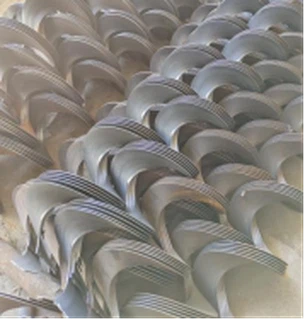
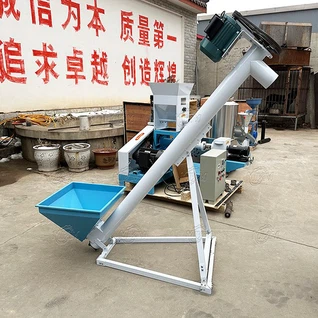
| Lifting Feeding Conveyor machine |
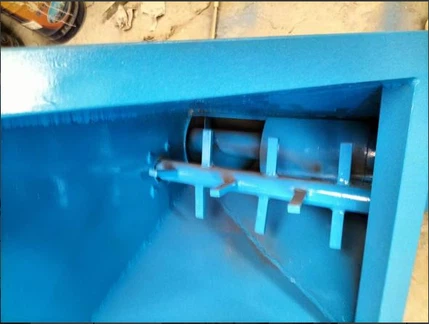
Arch-Breaking Device (Prevents material bridging and reduces manual labor) |
 |
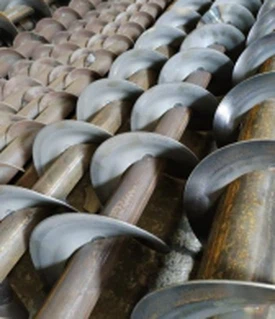 |
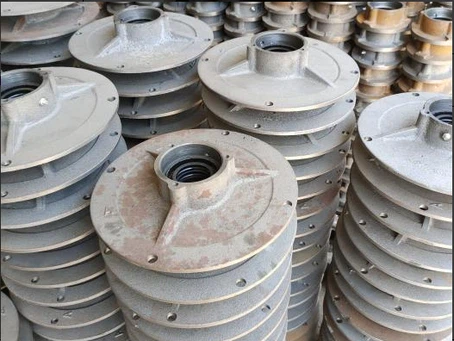
| Thickened Blades (3 mm thick for higher wear resistance) | Reinforced Main Shaft (70 mm shaft diameter for improved load capacity) |
 |
 |
| Variable Frequency Drive (Adjustable speed control for stable feeding) | Main Shaft Seal (Protects bearings from dust contamination and extends service life) |
4. Biomass Wood Pellet Mill
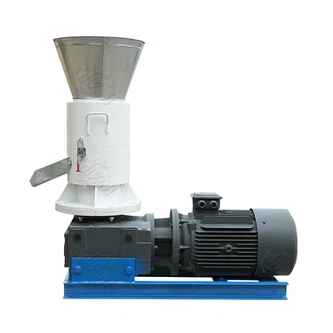
The Flat-Die Moving-Roller Wood Pellet Mill is a biomass pelletizing machine designed for processing coarse fiber materials such as agricultural waste and forestry residues. In this design, the flat die remains stationary while the rollers rotate and roll over the die surface, pressing raw materials into die holes to form biomass pellets.
With a simple structure and strong material adaptability, this wood pellet machine is widely used for small and medium-scale production of biomass fuel pellets, animal feed pellets, and organic fertilizer pellets.
Working Principle:
1. Feeding and Distribution:
Pre-processed raw materials such as sawdust or straw (with a recommended moisture content of 15%–30%) are fed into the pelletizing chamber and evenly distributed across the flat die surface.
2. Extrusion and Pellet Forming:
The rotating rollers press raw materials into the die holes of the stationary flat die under high pressure. Under pressure and friction-generated heat (typically 60–80°C), lignin softens and acts as a natural binder for biomass pellet formation.
3. Cutting and Discharge:
The compressed material is extruded from the die holes in continuous strands and cut by a blade into uniform finished pellets.
Product Features:
1. Wide Raw Material Adaptability:
This Flat die Biofuel Sawdust Pellet Machine can process a wide range of biomass raw materials with flexible requirements for moisture content and particle size. It is especially suitable for coarse fiber materials with low natural binding ability.
2. Easy Maintenance and Low Operating Cost:
The flat die structure allows easy disassembly and replacement of wearing parts. Enlarged rollers improve wear resistance and extend machine service life.
3. Energy Saving and High Efficiency:
The conical roller design improves the matching of roller speed and die surface speed, reducing unnecessary friction and energy loss during pellet production.
4. Stable Operation and Heavy-Duty Design:
Equipped with large-diameter rollers and heavy-duty bearings, the machine ensures stable operation, high load capacity, and long service life in continuous production.
Product Specifications
| Name | Model | Main Motor Power | Output | Dimensions | Weight |
| flat model biomass granulator |
MGPM-450D |
45KW |
350-450kg/h |
1500*760*1210mm |
900/940kg |
|
|
|
| flat die biomass pellet making machine | Flat Die biomass sawdust pellet machine |
|
|
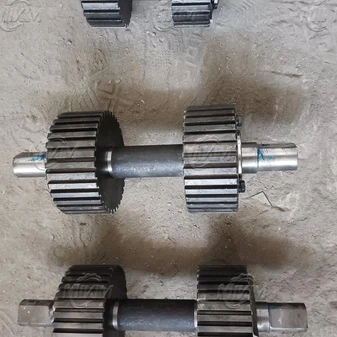 |
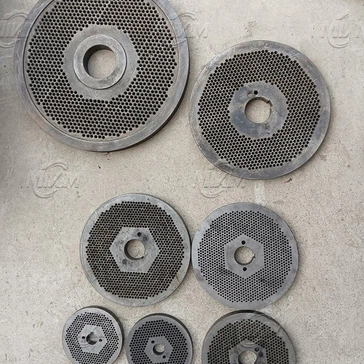
| Grinding Disc (20CrMo steel, service life: 800–1000 hours) | Press Roll (2-Roller Structure) |

5. Horizontal Hay Pellet Cooler
Product Introduction:
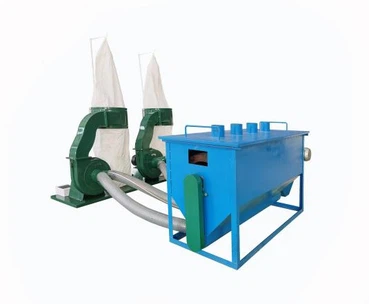
This combined cooling and screening unit is used for processing feed pellets and wood pellets. It integrates cooling and screening functions for efficient post-treatment of freshly formed high-temperature and high-moisture pellets.
It provides cooling, moisture reduction, and size classification to improve pellet quality and stability.
Product Features:
1. Energy Efficient and High Performance:
Ensures efficient cooling and high screening efficiency.
2. Clean and Convenient:
Operates with low noise levels and minimal dust emission.
3. Highly Automated:
Ensures easy operation, simple maintenance, and stable long-term performance.
4. Compact Structure:
Small footprint saves installation space and allows easy transportation.
Product Specifications
| Model | Power | Output | Dimensions | Weight |
|
MGLQ-70 |
0.75+2.2+2.2kw |
0-1000kg/h |
1840*800*1100mm 1020*620*1200mm |
220+120kg |
|
|
|
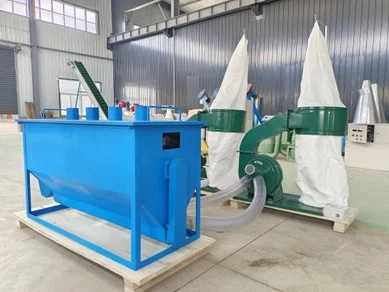
| Farm Feed Pellet Cooler |
Horizontal Straw Pellet Cooler |
6. Belt Conveyor
|
|
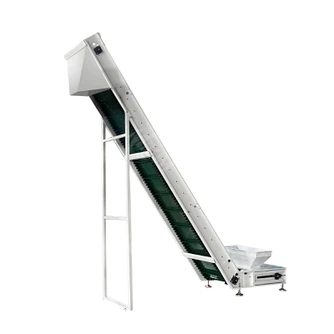
Parameters: Belt Width: 380 mm Motor Power: 2.2 kW Reducer Structure Horizontal Length: 1 m Incline Length: 4.5 m Lifting Height: 3.2 m Main Body Material: Carbon Steel |
7.Automatic Bag Filling Packing Machine
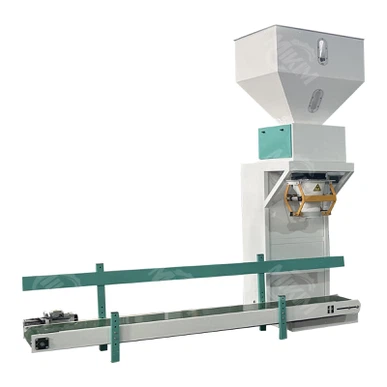
The powder and pellet packaging machine mainly consists of four components: an automatic weighing system, a conveying system, a bag-sewing unit, and a computer control system.
The machine features a compact structure, stable operation, low energy consumption, easy operation, and high weighing accuracy.
- Equipped with an automatic tare function.
- Supports automatic zero tracking.
- Automatically detects and compensates for weighing errors.
- Displays gross weight, net weight, and cumulative bag quantity for convenient production management.
|
|
Power: 1 kW Packaging Dimensions: 1200 × 1200 × 2400 mm 1200 × 1200 × 1200 mm 2400 × 700 × 400 mm Weight: 700 kg Packaging Range: 10–50 kg/bag |
I am interested in this product
Application
Beyond standard wood pellets, the 300–500 kg/h small wood pellet maker Production Line is a versatile powerhouse capable of processing diverse raw materials for specialized markets:
1. Premium Animal Bedding
This is a high-margin market. Pelleted bedding is increasingly popular for:
- Horse Stables: Highly absorbent, dust-free, and easier to clean than traditional straw or wood shavings.
- Poultry Farms: Reduces ammonia odors and provides a drier environment for chickens.
- Small Pet Litter: Ideal for manufacturing eco-friendly, biodegradable cat litter or rabbit bedding using pine sawdust or recycled paper.
2. Organic Fertilizer Pelleting
Turn agricultural waste into a marketable commercial product:
- Composted Manure: Pelletizing chicken or cow manure makes it easier to transport, store, and apply with standard seed drills.
- Crop Residues: Mixing straw or husk ash with organic binders to create slow-release soil conditioners.
3. Industrial Waste Upcycling
Many factories use this line to solve waste disposal problems and reduce landfill costs:
- Paper & Cardboard Waste: High-density paper pellets are excellent for industrial boilers and have a very low ash content.
- Textile & Fiber Waste: Processing cotton or hemp waste into fuel pellets for specialized biomass burners.
- Brewery & Distillery Spent Grains: Turning dried hops and grains into nutrient-rich animal feed pellets or fuel.
4. Food Processing By-products
- Coffee Grounds: Spent coffee grounds have a 20% higher energy density than wood; they are perfect for high-end "Coffee Logs" or pellets for BBQ and heating.
- Fruit Pits & Shells: Processing olive pits, coconut shells, or walnut shells into premium, high-calorific fuel pellets.
5. Mushroom Cultivation Substrate
The pelletizing process sterilizes the material (due to high friction heat). These pellets can be used as a dense, easy-to-transport substrate for gourmet mushroom production.
FAQ
Q1: What is the ideal moisture content for the 300–500 kg/h pellet line?
A: For high-quality pellet formation, the raw material moisture content must be between 12% and 18%.
Why? If it's too dry, the material won't bind and will cause excessive wear on the die. If it's too wet (over 20%), the steam produced during compression will cause the pellets to crack or "explode."
If your raw material is fresh wood or green waste (40-50% moisture), we recommend adding our Flash Dryer to the line to ensure consistency.
Q2: Do I need to add any binders or chemicals to make the pellets?
A: No, in most cases, you do not need additives.
Biomass materials like wood and straw contain Lignin. Under the high pressure and temperature (80-90°C) inside our pellet mill, lignin melts and acts as a natural "glue," binding the fibers into a dense pellet. However, for some materials with low lignin (like rice husks), adding 1-2% vegetable oil or starch can improve throughput and pellet shine.
Q3: What are the power requirements for a 300-500 kg/h production line?
A: A standard integrated line (Crusher + Pellet Mill + Cooler) typically requires a total installed power of 30 kW to 95 kW.
It is essential to have a 3-phase industrial electricity supply.
We use high-efficiency Siemens or ABB motors (optional) to ensure your energy-to-output ratio is optimized, directly impacting your profit margins.
Q4: How long do the wear parts (Die and Rollers) last?
A: Durability depends on the material's abrasiveness. For our High-Chromium Alloy Steel Dies:
- Wood Sawdust: 600 – 800 hours.
- Straw/Rice Husk: 500 – 700 hours.
Maintenance Tip: To extend the life of your die, always run a "start-up mix" (sawdust mixed with oil) through the machine before shutting down to prevent the material from hardening in the holes.
Q5: Can this line produce pellets that meet ENPlus or DIN Plus standards?
A: Yes. Our 300-500 kg/h line is capable of producing premium pellets (6mm or 8mm) that meet international standards for ash content, density, and mechanical durability.
The final quality depends on your raw material purity. By using our Cooling and Screening system, you ensure the pellets are hard, dust-free, and ready for retail packaging.
Q6: How much space is required for the 300-500 kg/h pellet plant?
A: A compact layout requires approximately 60 to 100 square meters.
This includes:
- Operating Area: The machinery itself (approx. 20-30 m²).
- Raw Material Storage: Space for bulk sawdust or straw.
- Finished Product Area: For cooling and bagging.
We provide a custom CAD floor plan based on your specific building dimensions.
Q7: Is it profitable to start with a 300-500 kg/h capacity?
A: It is the most cost-effective entry point for small businesses.
ROI Factor: Because this line requires only 1-2 operators and has a lower capital investment than 1t/h lines, many clients achieve a Return on Investment within 6-10 months by selling pellets to local heating markets or stables for animal bedding.
Factory Showcase



Hot Tags: 300–500 kg/h biomass wood pellet production line, China, manufacturers, factory, cheap, low price, made in China, biomass pellet line, flat die pellet line, mobile pellet line, mobile wood pellet line, pelheat mini pellet line, pto driven pellet line
Previous
No InformationSend Inquiry
